
Apr . 01, 2024 17:55 Back to list
china en853 1sn Hydraulic Hose Performance Analysis

Introduction
EN853 1SN hose designates a hydraulic hose conforming to the European standard EN 853, specifically the 1SN type. This hose construction employs a single layer of high-tensile steel wire spiral reinforcement embedded within a synthetic rubber compound. Its primary application lies in hydraulic systems transmitting fluid power, commonly used in construction machinery, agricultural equipment, mining operations, and industrial applications. The “SN” designation indicates a synthetic rubber inner tube compatible with a wide range of hydraulic fluids. Compared to earlier hose standards, EN 853 provides enhanced safety and performance characteristics due to stricter testing protocols and material specifications. Critical performance parameters include pressure rating, temperature range, and resistance to hydraulic fluid breakdown. The Chinese manufactured versions, often labelled ‘china en853 1SN’ aim to meet these standards, though verification of compliance is crucial due to potential variations in manufacturing quality and material sourcing. This guide provides a comprehensive technical overview of EN853 1SN hoses, focusing on material science, manufacturing processes, performance characteristics, failure modes, and industry standards.
Material Science & Manufacturing
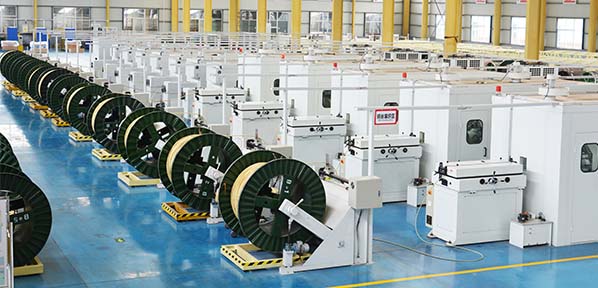
The construction of an EN853 1SN hose utilizes several key materials. The inner tube is typically composed of a synthetic rubber such as nitrile rubber (NBR), known for its excellent resistance to petroleum-based hydraulic fluids, or ethylene propylene diene monomer (EPDM) for phosphate ester based fluids. NBR offers tensile strength between 17-25 MPa and elongation at break of 300-500%. EPDM demonstrates superior ozone and weathering resistance, possessing tensile strengths of 15-20 MPa and elongation at break of 400-600%. The reinforcement layer consists of a single spiral of high-tensile steel wire, typically conforming to standard S220 or S280. This wire provides the burst pressure resistance and structural integrity of the hose. The outer cover is usually a synthetic rubber, often a Chloroprene rubber (CR) or a blend of CR and NBR, offering abrasion, oil, and weathering resistance. CR has a hardness of 60-70 Shore A and tensile strength of 12-18 MPa. Manufacturing involves several critical stages. First, the inner tube is extruded through a die to achieve the required diameter and wall thickness. The steel wire spiral is then applied continuously around the inner tube using a winding machine, ensuring consistent pitch and coverage. This spiral is crucial for withstanding high pressures. Following wire application, the outer cover is extruded over the reinforcement layer. The hose is then vulcanized (cured) in an autoclave or continuous vulcanization process, typically at temperatures between 140-180°C for a specified duration, dependent on the rubber compound and hose dimensions. Key parameters controlled during manufacturing include rubber compound formulation, wire tension, helix angle, and vulcanization time and temperature. Consistent quality control checks are vital at each stage to ensure adherence to EN 853 specifications.
Performance & Engineering
The performance of an EN853 1SN hose is primarily dictated by its ability to withstand internal pressure, external damage, and environmental factors. Force analysis focuses on hoop stress within the hose wall due to internal pressure. The steel wire spiral carries the majority of this stress. Burst pressure, a critical safety parameter, is typically four times the working pressure, as defined in EN 853. Fatigue life is also crucial, particularly in applications with pulsating pressure. Cyclic pressure testing is performed to assess the hose's resistance to failure under repeated loading. Environmental resistance is addressed through material selection. NBR provides good resistance to hydraulic oils but is susceptible to ozone degradation. EPDM offers superior weathering resistance but may be less compatible with certain petroleum-based fluids. Temperature range is another critical consideration. EN853 1SN hoses typically operate between -40°C and +100°C, though specific limits depend on the rubber compound. Compliance requirements mandate adherence to EN 853 testing procedures, including pressure testing, impulse testing, and environmental testing. Hose assembly engineering requires careful consideration of end fitting selection and crimping procedures. Incorrectly crimped fittings can lead to premature failure. The hose’s bend radius must also be considered; exceeding the minimum bend radius can cause kinking and damage to the reinforcement layer. Proper routing and support are essential to prevent abrasion and impact damage.
Technical Specifications
| Parameter | Unit | Specification (Typical) | Test Standard |
|---|---|---|---|
| Working Pressure | MPa | 16 - 32 | EN 853 |
| Burst Pressure | MPa | 64 - 128 | EN 853 |
| Inner Tube Material | - | NBR or EPDM | EN 853 |
| Reinforcement | - | Single High-Tensile Steel Wire Spiral | EN 853 |
| Outer Cover Material | - | CR or CR/NBR Blend | EN 853 |
| Temperature Range | °C | -40 to +100 | EN 853 |
Failure Mode & Maintenance
EN853 1SN hoses are susceptible to several failure modes. Fatigue cracking, initiated by repeated pressure cycles, is a common failure mechanism. This often begins at the inner tube/reinforcement interface. Corrosion of the steel wire reinforcement can occur due to ingress of moisture and contaminants, reducing its strength and leading to catastrophic failure. Abrasion damage to the outer cover can expose the reinforcement layer, accelerating corrosion. Kinking, caused by exceeding the minimum bend radius, can damage the reinforcement and lead to localized weakening. Chemical degradation of the rubber compounds can occur due to incompatibility with certain fluids or exposure to harsh chemicals. Oxidation and UV degradation can embrittle the outer cover, reducing its protective capabilities. Maintenance practices are crucial for extending hose life. Regular visual inspections should be performed to identify signs of abrasion, cracking, or leaks. Hoses should be flushed periodically to remove contaminants. Proper hose routing and support should be maintained to prevent abrasion and kinking. End fittings should be inspected for corrosion or damage. Hoses should be replaced if any signs of damage or degradation are observed. When disconnecting hoses, care should be taken to avoid damaging the end fittings. Storing hoses in a cool, dry, and dark environment can help prevent degradation. A preventative maintenance schedule based on operating hours and environmental conditions is recommended.
Industry FAQ
Q: What is the significance of the ‘SN’ designation in EN853 1SN, and what alternatives exist?
A: The ‘SN’ designation signifies a single layer of steel wire reinforcement embedded within a synthetic rubber compound. Alternatives include ‘2SN’ (two steel wire layers, higher pressure rating) and ‘EN’ (synthetic textile reinforcement, lower pressure rating, greater flexibility). The selection depends on the required pressure, temperature, and application needs.
Q: How does the choice between NBR and EPDM inner tube materials impact hose suitability for different hydraulic fluids?
A: NBR offers excellent resistance to most petroleum-based hydraulic fluids, while EPDM is preferred for phosphate ester fluids, and also provides better resistance to water and weathering. Using NBR with phosphate ester fluids can lead to rapid swelling and failure of the inner tube.
Q: What is the impact of improper crimping on the performance and lifespan of hose end fittings?
A: Improper crimping can result in a loose or damaged connection, leading to leaks and potential catastrophic failure. Under-crimping can allow fittings to slip off under pressure, while over-crimping can damage the hose reinforcement and reduce its burst pressure.
Q: What are the recommended procedures for identifying and mitigating corrosion risks in EN853 1SN hoses?
A: Regular visual inspections are key. Look for signs of rust on the wire reinforcement, especially at end fittings. Ensure proper sealing of fittings to prevent moisture ingress. Consider using hoses with corrosion-resistant coatings in harsh environments. Periodic replacement is vital in corrosive applications.
Q: How do environmental factors, such as ozone exposure and UV radiation, affect the long-term durability of EN853 1SN hoses?
A: Ozone and UV radiation can cause the outer rubber cover to crack and degrade, reducing its protective capabilities and exposing the reinforcement layer to corrosion. Using hoses with UV-resistant outer covers and storing hoses indoors when not in use can help mitigate these effects.
Conclusion
The EN853 1SN hose represents a robust and widely utilized solution for hydraulic power transmission. Its single steel wire spiral reinforcement provides a balance between pressure capacity, flexibility, and cost-effectiveness. Successful implementation relies on careful material selection, meticulous manufacturing control, and adherence to stringent testing protocols as defined by the EN 853 standard. Understanding the potential failure modes – fatigue, corrosion, abrasion, and chemical degradation – and implementing proactive maintenance strategies are essential for maximizing hose lifespan and ensuring operational safety.
Moving forward, advancements in rubber compound technology and reinforcement materials will likely lead to EN853 1SN hoses with enhanced performance characteristics, such as increased pressure ratings, improved temperature resistance, and greater durability. Continued focus on quality control and compliance with international standards will be crucial for maintaining the reliability and safety of these critical components within diverse industrial applications.