
Apr . 01, 2024 17:55 Back to list
china double fiber braid hydraulic hose Performance Analysis
Introduction
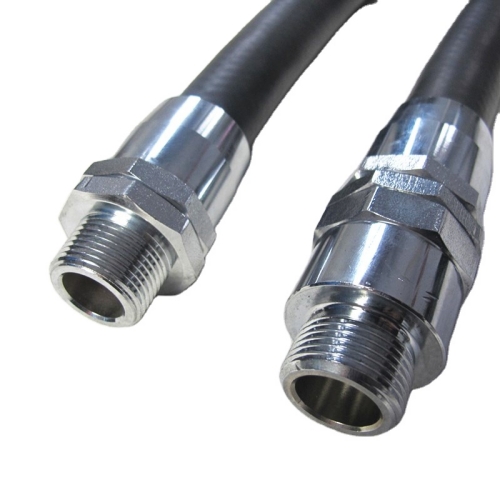
China double fiber braid hydraulic hose constitutes a critical component in fluid power systems across diverse industrial applications. These hoses are engineered to transmit hydraulic fluid under high pressure, facilitating the operation of heavy machinery in sectors such as construction, agriculture, manufacturing, and mining. Positioned within the hydraulic system chain after the pump and before the actuator, the hose’s performance dictates system efficiency and reliability. Core performance characteristics include burst pressure, working pressure, impulse resistance, and temperature range. The defining feature – the double fiber braid reinforcement – is crucial for achieving these performance parameters, differentiating it from single braid or spiral wire reinforced alternatives. A key industry pain point is maintaining consistent quality control in production to ensure predictable performance and prevent catastrophic failures, especially as demand increases with infrastructure development and automation.
Material Science & Manufacturing
The composition of a double fiber braid hydraulic hose involves several key materials. The inner tube is typically constructed from a synthetic rubber compound, most commonly nitrile (NBR) for petroleum-based fluids, or ethylene propylene diene monomer (EPDM) for phosphate ester fluids. NBR offers excellent abrasion resistance and oil resistance, while EPDM exhibits superior heat and weather resistance. The reinforcement layer consists of two braids of high-tensile steel wire, providing the necessary strength to withstand high pressures. The outer cover is also typically a synthetic rubber, often chloroprene (CR), chosen for its resistance to abrasion, ozone, and weathering.
Manufacturing commences with the extrusion of the inner tube. Precise control of temperature and pressure during extrusion is essential to ensure consistent wall thickness and avoid defects. The steel wire is then braided around the inner tube in two opposing directions, each braid comprising multiple strands. The braid angle is a critical parameter; typically around 55-60 degrees, as it influences the hose’s flexibility and pressure resistance. Post-braiding, the outer cover is extruded over the reinforcement layer. Vulcanization, a chemical process involving heating the rubber compounds with sulfur, is then performed to cross-link the polymer chains, enhancing the rubber's strength, elasticity, and resistance to degradation. Quality control includes hydrostatic testing to verify burst pressure, impulse testing to assess fatigue life, and dimensional checks to confirm adherence to specifications. Precise control of the vulcanization temperature and time are crucial to achieve the desired rubber properties and prevent under-curing or over-curing.
Performance & Engineering
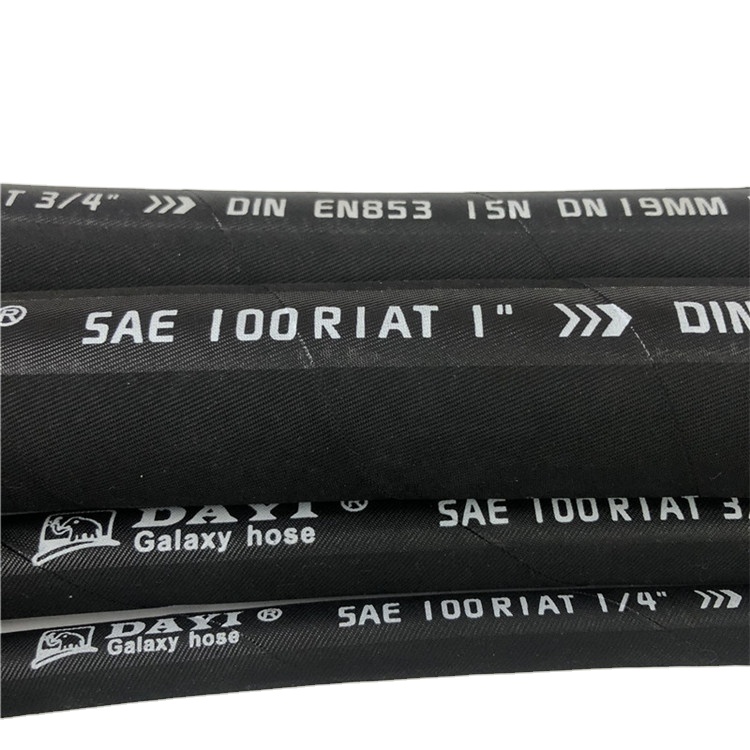
The performance of a double fiber braid hydraulic hose is governed by several engineering principles. The reinforcement braid primarily handles the hoop stress generated by the internal fluid pressure. The double braid configuration significantly increases the hose's pressure rating compared to single braid designs. The tensile strength of the steel wire is a crucial factor, with higher strength wires enabling higher burst pressures. Fatigue resistance is paramount, particularly in applications with pulsating pressures. The hose experiences cyclic stresses, which can lead to fatigue cracking over time. The impulse testing standard (SAE J343) simulates these pulsating pressures to evaluate the hose’s endurance.
Environmental resistance is another key consideration. Exposure to extreme temperatures, UV radiation, and corrosive substances can degrade the rubber compounds, reducing their flexibility and strength. The selection of appropriate rubber compounds for the inner tube and outer cover is vital to ensure long-term durability in the intended operating environment. Furthermore, the hose’s bending radius must be carefully considered to avoid kinking and excessive stress concentrations. Force analysis, including calculations of hoop stress, longitudinal stress, and shear stress, are used during the design phase to optimize the hose’s geometry and reinforcement configuration. Compliance with industry standards, such as SAE J517 (hose construction) and ISO 6899 (hydraulic hose assemblies), is mandatory to ensure safety and reliability.
Technical Specifications
| Parameter | Unit | SAE 100R2AT | DIN EN 853 2SN |
|---|---|---|---|
| Working Pressure | MPa | 20.7 | 20 |
| Burst Pressure | MPa | 82.7 | 80 |
| Temperature Range | °C | -40 to +100 | -40 to +100 |
| Inner Tube | Material | NBR | NBR |
| Reinforcement | Material | Two Steel Wire Braids | Two Steel Wire Braids |
| Outer Cover | Material | CR | CR |
Failure Mode & Maintenance
Failure modes in double fiber braid hydraulic hoses are diverse and often interconnected. Fatigue cracking, originating at stress concentrations within the braid or at the hose ends, is a common failure mechanism, particularly in systems with pulsating pressures and frequent bending. Abrasion from external sources, such as contact with other components or exposure to abrasive particles, can wear away the outer cover, exposing the reinforcement braid to corrosion. Oil degradation, caused by excessive heat or contamination, can lead to the rubber compounds losing their elasticity and strength, resulting in leaks or hose rupture. Another prevalent failure mode is the extrusion of the inner tube through the reinforcement braid, typically due to exceeding the hose’s pressure rating or experiencing severe pressure surges.
Preventative maintenance is crucial for maximizing hose lifespan and preventing failures. Regular visual inspections should be conducted to identify signs of abrasion, cracking, or swelling. Hose assemblies should be properly supported to prevent bending and kinking. Fluid contamination should be minimized through the use of filters and regular fluid changes. The correct hose size and fitting selection are essential to ensure compatibility and prevent leaks. If a hose shows any signs of damage, it should be immediately replaced. Proper storage is also vital; hoses should be stored in a cool, dry, and dark location to prevent degradation of the rubber compounds. Periodic pressure testing can identify weaknesses before catastrophic failure.
Industry FAQ
Q: What is the impact of exceeding the minimum bend radius on hose life?
A: Exceeding the minimum bend radius creates significant stress concentrations within the hose structure, particularly in the reinforcement braid and the inner tube. This accelerated fatigue and can lead to premature cracking and failure. Maintaining the recommended bend radius is critical for preserving the hose’s structural integrity and extending its service life.
Q: How does the type of hydraulic fluid affect hose compatibility?
A: The chemical compatibility between the hydraulic fluid and the hose’s inner tube material is paramount. Incompatible fluids can cause the rubber to swell, soften, or degrade, leading to leaks and failure. Nitrile rubber (NBR) is generally suitable for petroleum-based fluids, while ethylene propylene diene monomer (EPDM) is recommended for phosphate ester fluids. Always verify the fluid compatibility chart for the specific hose material.
Q: What are the key differences between SAE 100R2AT and DIN EN 853 2SN hose specifications?
A: While both standards specify double wire braid hydraulic hoses, they differ in their testing methodologies and performance requirements. SAE 100R2AT typically exhibits slightly higher burst pressures and impulse ratings compared to DIN EN 853 2SN. Understanding these differences is crucial for selecting the appropriate hose for a specific application and ensuring compliance with relevant regulations.
Q: How does temperature affect the working pressure rating of a hydraulic hose?
A: Increasing temperature generally reduces the working pressure rating of a hydraulic hose. Elevated temperatures cause the rubber compounds to soften and lose strength, diminishing their ability to withstand internal pressure. Hose manufacturers provide derating factors that must be applied to the working pressure rating at temperatures above the standard operating range. Conversely, very low temperatures can reduce flexibility, increasing the risk of cracking.
Q: What are the best practices for terminating a hydraulic hose (fitting installation)?
A: Proper fitting installation is vital for a leak-free and reliable connection. The hose end must be cut squarely and cleanly to ensure a proper seat for the fitting. Using the correct crimping procedure and die set, matched to the hose and fitting specifications, is crucial to achieve a secure and durable connection. Incorrect crimping can lead to leaks, blowouts, or premature failure. A skilled technician and calibrated crimping equipment are essential.
Conclusion
China double fiber braid hydraulic hose remains a foundational element in numerous industrial applications demanding robust fluid power transmission. Its performance is intrinsically linked to the careful selection of materials, precise manufacturing processes, and adherence to rigorous engineering principles. The double braid reinforcement, coupled with appropriate rubber compounds, provides the necessary strength, flexibility, and resistance to withstand high pressures, extreme temperatures, and harsh operating environments.
Moving forward, advancements in material science, such as the development of novel rubber formulations with enhanced heat and chemical resistance, and improved manufacturing techniques, will continue to enhance the performance and reliability of these hoses. Focus on predictive maintenance strategies, incorporating sensor technology for real-time monitoring of hose condition, will also play a vital role in minimizing downtime and maximizing operational efficiency. Ensuring consistent quality control throughout the manufacturing process remains paramount to upholding safety standards and meeting the ever-increasing demands of modern industrial applications.