
Apr . 01, 2024 17:55 Back to list
china crimping machine Performance Engineering
Introduction
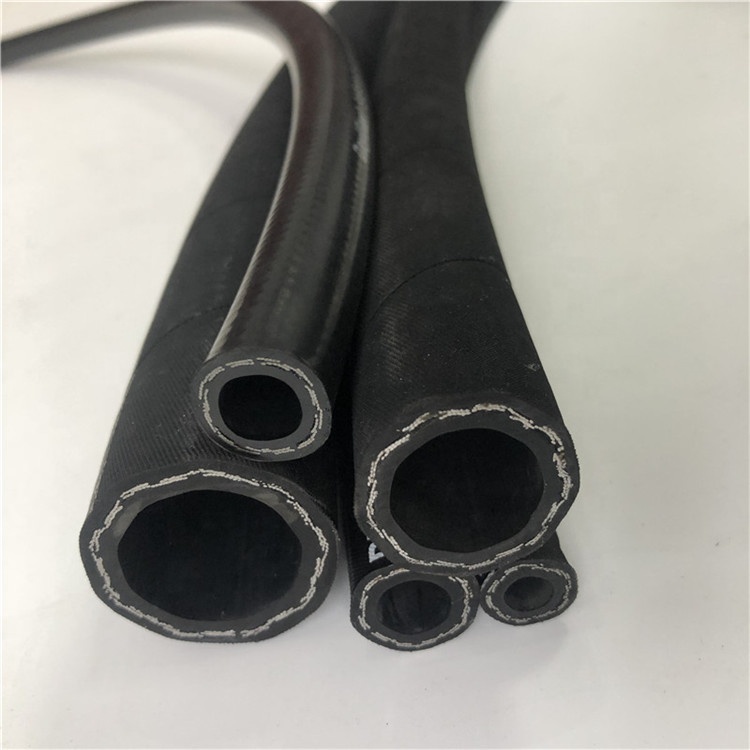
China crimping machines are hydraulic or electromechanical devices used to attach fittings to hoses by compression. Positioned within the industrial hose assembly sector, they serve a critical function in manufacturing, construction, agriculture, automotive, and oil & gas industries. These machines ensure secure, leak-proof connections essential for fluid and gas transfer. Core performance characteristics include crimp diameter range, crimp force capability (measured in tons), cycle time, degree of precision, and automation level. A primary industry pain point is achieving consistent, reliable crimps across varying hose types and fitting combinations, minimizing the risk of failure due to improper sealing or material stress. Another significant challenge lies in adapting to increasingly stringent safety regulations and the demand for machines capable of handling high-performance materials like synthetic rubbers and thermoplastic hoses. The selection of a suitable crimping machine involves a careful consideration of hose specifications, fitting types, production volume, and desired level of automation.
Material Science & Manufacturing
The core materials of a China crimping machine are high-strength steel alloys (typically 45# steel or similar carbon steels) for the frame, ram, and die retaining mechanisms. Hydraulic systems utilize high-grade steel cylinders and precision-machined components. Dies, crucial for crimp quality, are manufactured from tool steels like D2 or similar high-carbon, high-chromium alloys, subjected to heat treatment for hardness and wear resistance. Hose materials commonly crimped include natural rubber, synthetic rubbers (EPDM, nitrile, silicone), and thermoplastic materials (PVC, polyethylene). Understanding the material properties of both the machine components and the hoses being crimped is paramount. Manufacturing typically involves CNC machining of steel components for dimensional accuracy, welding processes (SMAW, GMAW) for frame construction requiring rigorous quality control for weld integrity and penetration, and precision grinding of dies to achieve the required crimp profile. Parameter control during die manufacturing is vital; surface finish, dimensional tolerances (±0.02mm), and hardness (HRC 58-62) directly impact crimp consistency. Hydraulic systems require meticulous assembly and pressure testing to ensure leak-free operation and accurate force delivery. The manufacturing process emphasizes robust construction to withstand repeated high-force cycles and prevent material fatigue.
Performance & Engineering
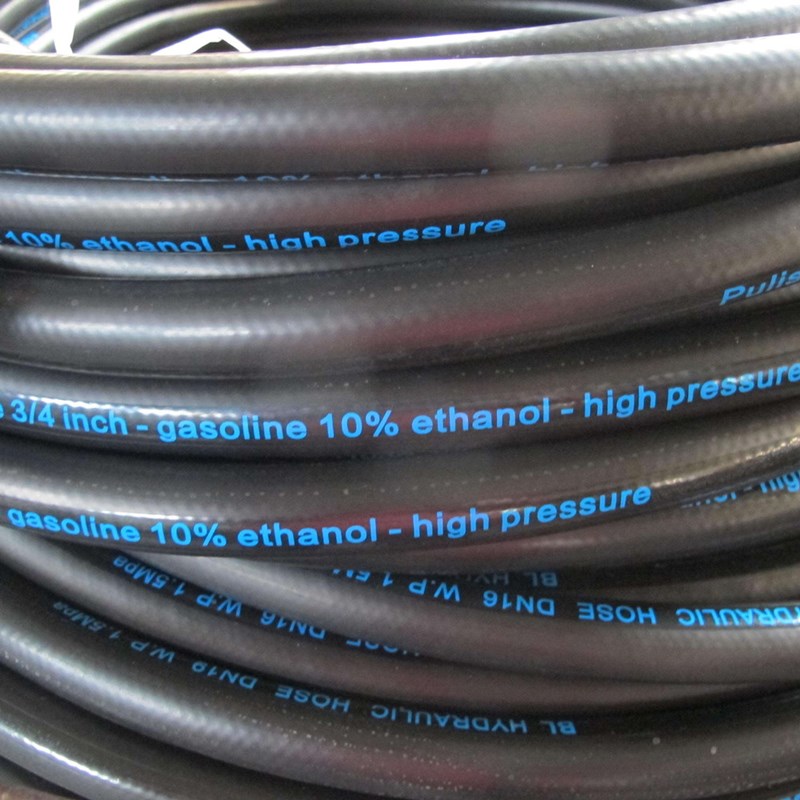
The performance of a china crimping machine hinges on several key engineering principles. Force analysis involves calculating the required crimp force based on hose diameter, wall thickness, material properties, and fitting geometry. This utilizes principles of plasticity and material deformation. Environmental resistance considerations include protection against corrosion (particularly in marine or chemical processing environments) and operation within specified temperature ranges. Compliance requirements include adherence to safety standards (IEC 60204-1 for electrical safety, ISO 4413 for hydraulic systems) and potentially industry-specific standards for hose assembly performance (SAE J517 for automotive hose). Functional implementation necessitates precise control of crimp parameters – diameter, ovality, and reduction in hose inner diameter. This is achieved through closed-loop control systems utilizing pressure sensors, position encoders, and programmable logic controllers (PLCs). Die design is a critical engineering aspect, influencing the crimp profile and the distribution of stress within the hose and fitting. Improper die design can lead to hose kinking, fitting distortion, or premature failure. Fatigue analysis is also crucial, especially for high-volume production machines, to predict component life and schedule preventative maintenance. The machine's stability and vibration characteristics must be optimized to minimize noise and ensure operator safety.
Technical Specifications
| Parameter | Typical Range (Manual Machine) | Typical Range (Automatic Machine) | Units |
|---|---|---|---|
| Crimp Force | 50-150 | 100-300 | Tons |
| Hose Inner Diameter Capacity | 6-51 | 6-76 | mm |
| Crimp Die Angle | 5-20 | 5-25 | Degrees |
| Cycle Time | 20-60 | 8-25 | Seconds |
| Power Supply | 220V/380V, 50/60Hz | 220V/380V, 50/60Hz | Volts/Hertz |
| Machine Weight | 300-800 | 500-1500 | kg |
Failure Mode & Maintenance
Common failure modes in china crimping machines include hydraulic system leaks (due to seal degradation or component corrosion), die cracking (caused by material fatigue or improper usage), ram bending or fracture (resulting from excessive force or material defects), and electrical component failures (related to wiring issues or PLC malfunctions). Fatigue cracking in the frame is a long-term concern, especially with continuous high-force operation. Delamination can occur in the die if the steel quality is substandard. Degradation of hydraulic oil (due to contamination or oxidation) reduces system efficiency and can cause component wear. Oxidation of steel components, particularly in humid environments, contributes to corrosion. Maintenance procedures should include regular inspection of hydraulic lines and fittings for leaks, periodic oil changes (every 6-12 months), die inspection for cracks or wear (using dye penetrant testing), lubrication of moving parts, and electrical system checks. Die sets should be rotated to distribute wear evenly. Hydraulic pressure should be monitored regularly. If cracking is detected in any structural component, immediate replacement is necessary. Preventive maintenance schedules, based on operational hours, are crucial for extending machine lifespan and minimizing downtime. Proper operator training is also vital to avoid misuse and potential damage.
Industry FAQ
Q: What is the typical lifespan of a crimping die set?
A: The lifespan of a die set varies greatly depending on usage, hose material, and maintenance. With proper care and rotation, a high-quality die set can last between 50,000 to 200,000 crimps. Regular inspection for wear and cracks is essential to prevent catastrophic failure and ensure crimp quality. Using dies for materials they weren’t designed for will significantly shorten their lifespan.
Q: How do I determine the correct crimp size for a specific hose and fitting?
A: Refer to the hose and fitting manufacturer's specifications. These typically provide detailed crimp dimension charts that specify the optimal crimp diameter and reduction based on hose ID and fitting type. Incorrect crimp sizes can lead to leaks or hose failure.
Q: What are the common causes of hydraulic leaks in a crimping machine?
A: Common causes include deteriorated seals (O-rings, gaskets), loose fittings, damaged hydraulic lines, and corrosion within the hydraulic system. Regular inspection and prompt replacement of worn components are crucial for preventing leaks. Contamination of the hydraulic fluid also accelerates seal degradation.
Q: How important is the quality of hydraulic oil, and what type should I use?
A: Hydraulic oil quality is critical. Use a high-quality hydraulic oil with the viscosity recommended by the machine manufacturer. Synthetic oils generally offer better performance and longer lifespan than mineral oils. Regularly monitor oil condition and filter it to remove contaminants. Avoid mixing different oil types.
Q: What safety precautions should be taken when operating a crimping machine?
A: Always wear appropriate personal protective equipment (safety glasses, gloves). Ensure the machine is properly grounded. Never reach into the crimping area while the machine is in operation. Follow the manufacturer's safety guidelines. Implement lockout/tagout procedures during maintenance. Train all operators thoroughly on safe operating practices.
Conclusion
China crimping machines represent a vital component in numerous industrial applications requiring secure hose assembly. Understanding the material science underpinning their construction, from the high-strength steel alloys of the frame to the tool steels composing the dies, is fundamental to appreciating their performance and longevity. Proper manufacturing processes, focused on precision machining, welding integrity, and rigorous quality control, are crucial for delivering reliable operation.
The selection of a crimping machine should be dictated by specific application requirements—hose type, fitting specifications, production volume—and a comprehensive understanding of relevant industry standards and safety regulations. Preventive maintenance, coupled with proactive failure mode analysis, is paramount for maximizing machine uptime, minimizing costs, and ensuring consistent, high-quality crimps, ultimately safeguarding the integrity of fluid and gas transfer systems.

