
Apr . 01, 2024 17:55 Back to list
china china hydraulic hose manufacturer Performance Analysis
Introduction
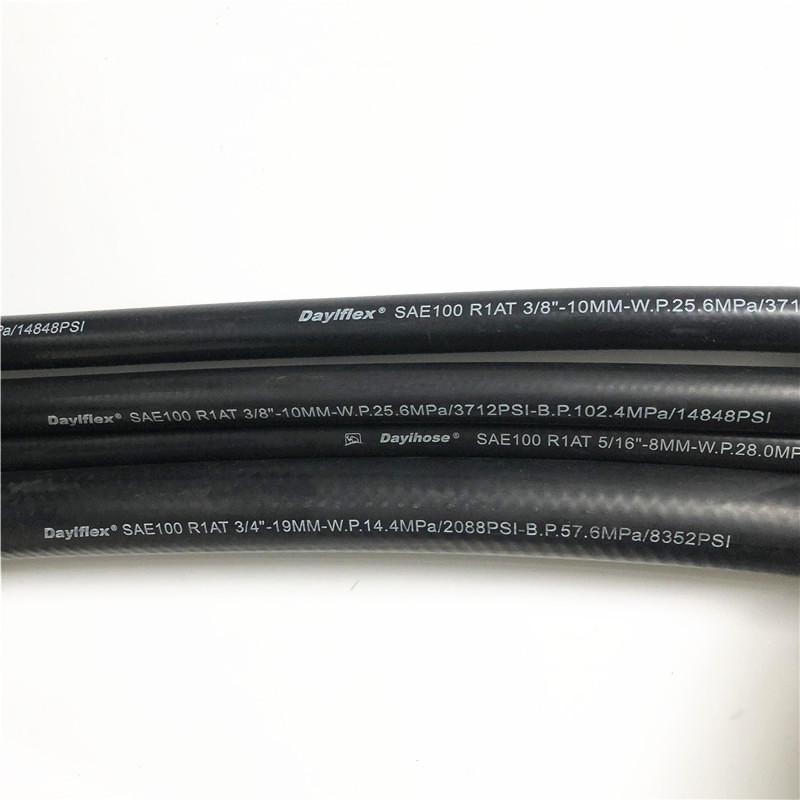
Hydraulic hose is a critical component in fluid power systems, responsible for transmitting hydraulic fluid to actuators and other components. china china hydraulic hose manufacturer specializes in the design, production, and supply of a comprehensive range of hydraulic hoses catering to diverse industrial applications. These hoses serve as vital conduits in heavy equipment, agricultural machinery, construction vehicles, and manufacturing processes, ensuring efficient and reliable power transmission. The core performance characteristics defining a hydraulic hose include working pressure, burst pressure, temperature range, fluid compatibility, and resistance to abrasion and weathering. Failure in hydraulic hoses can lead to costly downtime, safety hazards, and environmental concerns, emphasizing the importance of utilizing high-quality, rigorously tested hoses designed for specific operating conditions. The industry faces persistent challenges related to hose longevity in harsh environments, maintaining consistent performance under extreme pressures and temperatures, and complying with increasingly stringent safety and environmental regulations.
Material Science & Manufacturing
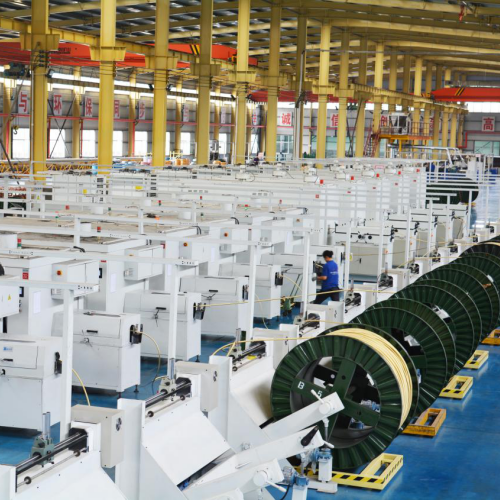
Hydraulic hoses are typically constructed from a combination of materials selected for their specific properties. The inner tube, responsible for containing the hydraulic fluid, is commonly made from synthetic rubbers such as nitrile rubber (NBR), ethylene propylene diene monomer (EPDM), or fluorocarbon rubber (FKM – Viton). NBR offers excellent resistance to petroleum-based fluids, while EPDM excels in high-temperature applications and compatibility with phosphate ester fluids. FKM provides superior chemical resistance, particularly to aggressive fluids. The reinforcement layer provides the hose's strength and resistance to pressure. This layer often consists of multiple plies of high-tensile steel wire, spirally wound or braided, the number and configuration of which directly correlate to the hose’s working and burst pressures. A protective outer cover, usually made from synthetic rubber compounds like chloroprene (CR) or polyurethane (PU), shields the reinforcement layer from abrasion, weathering, and chemical attack. Manufacturing processes vary depending on hose type. Braided hoses involve helically winding steel wire around a mandrel, followed by the extrusion of the inner tube and outer cover. Spiraled hoses utilize a continuous wire winding process. Key parameter control during manufacturing includes precise wire tension during braiding/spiraling, consistent rubber compound mixing and extrusion temperatures, and thorough quality control checks for dimensional accuracy, pressure testing, and leak detection. The curing process (vulcanization) is critical for achieving the desired rubber properties – tensile strength, elongation, and hardness – impacting the hose’s overall performance and longevity. Improper curing leads to compromised material integrity and premature failure.
Performance & Engineering
The performance of a hydraulic hose is fundamentally governed by its ability to withstand internal pressure without failure. Force analysis involves calculating hoop stress within the hose wall, considering the internal pressure, hose diameter, and reinforcement layer configuration. Higher pressures necessitate more reinforcement layers or higher tensile strength wire. Fatigue life is another critical performance metric, particularly in applications involving pulsating flow or frequent bending. Repeated flexing induces stress cycles in the hose material, leading to fatigue cracking over time. Engineering considerations include selecting appropriate hose materials compatible with the hydraulic fluid, operating temperature, and environmental conditions. Resistance to abrasion is paramount in applications where the hose is exposed to abrasive surfaces. Chemical compatibility is vital to prevent swelling, degradation, or leaching of hose materials, which can compromise performance and introduce contaminants into the hydraulic system. Environmental resistance extends to UV exposure, ozone cracking, and resistance to various chemicals encountered in the operating environment. Compliance requirements vary by region and industry, adhering to standards set by organizations like SAE (Society of Automotive Engineers) and EN (European Norm). Proper hose assembly, including the selection of compatible fittings and correct crimping procedures, is crucial for ensuring a leak-free and reliable connection.
Technical Specifications
| Parameter | Unit | SAE 100R1AT | SAE 100R2AT |
|---|---|---|---|
| Working Pressure | MPa | 20.7 | 34.5 |
| Burst Pressure | MPa | 82.7 | 138 |
| Temperature Range | °C | -40 to +100 | -40 to +121 |
| Inner Tube | Material | NBR | NBR |
| Reinforcement | Material | Single Steel Wire Braid | Two Steel Wire Braids |
| Outer Cover | Material | CR | CR |
Failure Mode & Maintenance
Hydraulic hose failure can manifest in several ways. Fatigue cracking, induced by repeated bending and pressure cycles, initiates in the reinforcement layer and propagates through the hose wall. Abrasion damage occurs when the outer cover is worn away by contact with abrasive surfaces, exposing the reinforcement layer to corrosion and eventual failure. Pinholing, caused by foreign objects penetrating the outer cover, can lead to fluid leakage and contamination. Chemical degradation occurs when the hose material is exposed to incompatible fluids, causing swelling, softening, or cracking. Thermal degradation arises from prolonged exposure to high temperatures, leading to rubber hardening and loss of elasticity. Improper installation, such as over-tightening or incorrect crimping, can induce stress concentrations and premature failure. Regular maintenance is crucial for extending hose life and preventing catastrophic failures. This includes visual inspections for abrasion, cracks, and leaks; pressure testing to verify hose integrity; and proper storage to protect against UV exposure and temperature extremes. Hose routing should be designed to minimize bending and contact with abrasive surfaces. Replacement should occur at recommended intervals or when signs of damage or degradation are observed. Utilizing hose guards and protective sleeves can further mitigate the risk of abrasion and damage.
Industry FAQ
Q: What is the significance of the "dash size" designation for hydraulic hoses?
A: The dash size (e.g., -6, -8, -10) refers to the internal diameter of the hose in sixteenths of an inch. A dash-6 hose has a 6/16 inch (3/8 inch) internal diameter. This designation is crucial for matching the hose to the flow requirements of the hydraulic system; a smaller hose restricts flow and increases pressure drop, while an excessively large hose can lead to sluggish response times.
Q: How do I determine the appropriate working pressure rating for a hydraulic hose?
A: The working pressure rating should exceed the maximum system pressure by a safety factor, typically 4:1. Consider peak pressures generated by pressure spikes or transient loads. Always verify compatibility with the fluid being used, as certain fluids can degrade hose materials and reduce their pressure capacity.
Q: What is the difference between a braided and a spiraled hydraulic hose?
A: Braided hoses offer greater flexibility and are suitable for applications with tight bend radii. Spiraled hoses are generally more robust and can withstand higher pressures, but they are less flexible. The choice depends on the specific application requirements and space constraints.
Q: What are the key considerations when selecting fittings for hydraulic hoses?
A: Fittings must be compatible with the hose type and the hydraulic fluid. They should be of the correct size and thread type. Crimping procedures must be performed correctly to ensure a leak-free and reliable connection. Using mismatched fittings or improper crimping can lead to premature failure.
Q: How does temperature affect hydraulic hose performance?
A: Extreme temperatures can significantly impact hose performance. High temperatures can cause rubber hardening and reduced flexibility, while low temperatures can lead to brittleness and cracking. Select hoses with a temperature range suitable for the operating environment, and avoid exceeding the specified temperature limits.
Conclusion
The selection and implementation of hydraulic hoses are critical for the safe and efficient operation of fluid power systems. china china hydraulic hose manufacturer delivers hoses engineered to meet rigorous performance demands, prioritizing material science, precise manufacturing processes, and adherence to industry standards. Understanding the core principles of hose construction, performance characteristics, and potential failure modes is essential for ensuring longevity, reliability, and minimizing downtime.
Continual advancements in hose technology focus on improving abrasion resistance, enhancing chemical compatibility, and developing lightweight, high-pressure solutions. Proactive maintenance programs, coupled with informed material selection, will remain vital for maximizing the service life of hydraulic hoses and optimizing overall system performance. Further research into advanced materials and non-destructive testing methods holds the potential to further elevate the reliability and safety of hydraulic hose technology.