
Apr . 01, 2024 17:55 Back to list
china blue hydraulic hose Performance Engineering
Introduction
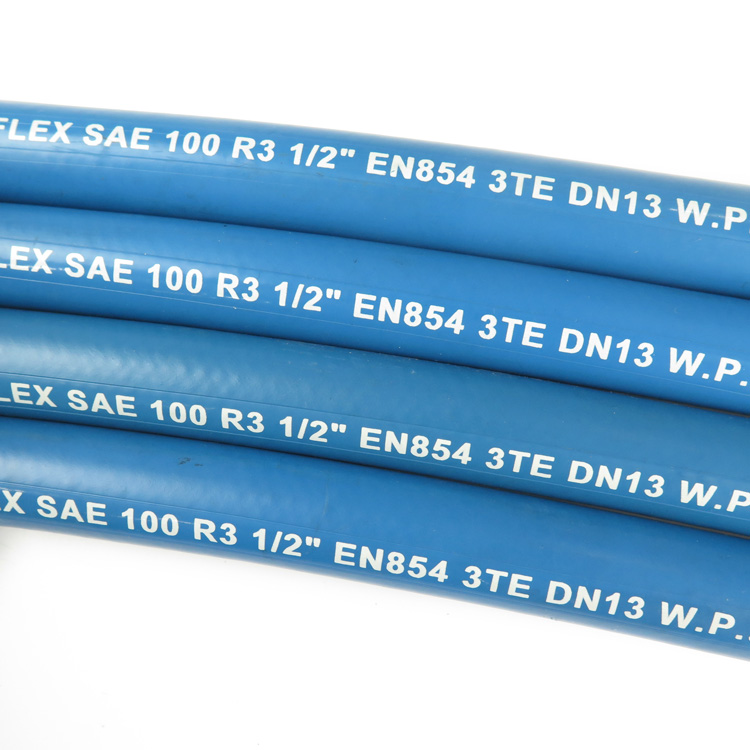
China blue hydraulic hose refers to reinforced flexible assemblies designed to convey hydraulic fluid under substantial pressure to operate hydraulic machinery. These hoses are critical components in numerous industrial applications, ranging from construction equipment and agricultural machinery to manufacturing plants and aerospace systems. Characterized by a synthetic rubber inner tube, multiple layers of high-tensile steel wire reinforcement, and a durable outer cover, these hoses provide both flexibility and the necessary pressure containment capabilities. The "china blue" designation typically refers to the color of the outer cover, providing a visual identifier, though color can vary depending on manufacturer and specific application. Key performance indicators include burst pressure, working pressure, temperature range, and fluid compatibility. A significant pain point in the industry revolves around maintaining consistent quality control during the manufacturing process to guarantee reliable performance and prevent catastrophic failures, and ensuring compliance with stringent international safety standards.
Material Science & Manufacturing
The core material of a china blue hydraulic hose is typically a synthetic rubber blend for the inner tube, commonly employing nitrile rubber (NBR) due to its excellent resistance to petroleum-based hydraulic fluids. Alternative materials like ethylene propylene diene monomer (EPDM) are used when compatibility with phosphate ester-based fluids is required. The reinforcement layer utilizes high-tensile steel wire, often spirally wound, with the number of layers dictating the hose’s working and burst pressure capabilities. The outer cover generally consists of chloroprene rubber (CR) or polyurethane (PU), selected for abrasion resistance, weather resistance, and oil resistance. Manufacturing begins with extrusion of the inner tube. Subsequently, the steel wire reinforcement is applied through a helical winding process. This is followed by the extrusion of the outer cover. Critical parameters during manufacturing include precise control of rubber compound formulation, consistent wire tension during winding, and accurate die temperature and pressure during extrusion. Proper vulcanization (curing) is essential to achieve the desired physical and mechanical properties of the rubber components. Testing throughout the process includes dimensional checks, pressure testing, and visual inspection for defects. Batch traceability is paramount for quality control and recall purposes. A common challenge involves maintaining uniform reinforcement layer distribution to prevent localized stress concentrations and premature failure.
Performance & Engineering
The performance of a china blue hydraulic hose is governed by several engineering principles. Hose pressure rating is determined by the tensile strength of the reinforcement layers and the cross-sectional area. Burst pressure is generally three to four times the working pressure. Flex fatigue is a critical consideration, as hoses are subjected to repeated bending and flexing during operation. The radius of curvature must be maintained within specified limits to prevent kinking and subsequent failure. Environmental factors such as temperature, UV exposure, and chemical exposure significantly impact hose longevity. At elevated temperatures, rubber compounds can degrade, reducing their elasticity and pressure resistance. UV exposure can cause surface cracking and embrittlement. Exposure to incompatible fluids can lead to swelling, softening, or dissolution of the rubber components. Compliance with industry standards (detailed in the footer) ensures that hoses meet minimum performance requirements for pressure, temperature, and fluid compatibility. Finite Element Analysis (FEA) is frequently employed during the design phase to optimize hose geometry and reinforcement configuration for specific applications. Strain analysis is crucial for predicting hose life under cyclic loading. The choice of fittings is equally important; mismatched fittings or improper installation can lead to leaks and failures. Consideration must also be given to hose twist, which can induce internal stresses and reduce lifespan.
Technical Specifications
| Parameter | Unit | Specification (Typical) | Testing Standard |
|---|---|---|---|
| Working Pressure | MPa | 20-35 | SAE J517 |
| Burst Pressure | MPa | 60-105 | SAE J517 |
| Temperature Range | °C | -40 to +100 | SAE J517 |
| Inner Tube Material | - | NBR (Nitrile Rubber) | ASTM D2000 |
| Reinforcement | Layers | 2-6 Spiral Steel Wire | SAE J517 |
| Outer Cover Material | - | CR (Chloroprene Rubber) | ASTM D2000 |
Failure Mode & Maintenance
Common failure modes in china blue hydraulic hoses include burst failure due to exceeding pressure limits, flex fatigue cracking caused by repeated bending, abrasion damage from external contact, and fluid incompatibility leading to material degradation. Pinholes can develop in the inner tube due to corrosion or damage from particulate contamination in the hydraulic fluid. Fitting failures, such as leaks or detachment, are also frequent occurrences. Failure analysis often reveals root causes such as improper hose selection, incorrect installation, inadequate maintenance, or manufacturing defects. Preventive maintenance is crucial to maximize hose lifespan and prevent catastrophic failures. This includes regular visual inspections for signs of wear, cracking, or abrasion. Periodic pressure testing can identify weakened hoses before they fail. Hydraulic fluid should be maintained clean and free of contaminants through the use of filters. Hoses should be routed and supported properly to minimize bending and abrasion. When replacing hoses, it’s essential to use compatible fittings and follow the manufacturer’s torque specifications. Avoid sharp bends and kinking during installation. Scheduled hose replacement based on operating hours or calendar intervals is recommended, particularly in demanding applications. Proper storage of spare hoses is also important, protecting them from UV exposure, extreme temperatures, and chemical contact.
Industry FAQ
Q: What is the impact of hose layline markings on traceability and quality control?
A: Layline markings are crucial for traceability. They typically include manufacturer identification, hose size, working pressure, and date of manufacture. This information allows for effective recall management and facilitates quality control investigations. A robust layline system allows manufacturers to pinpoint specific production runs and identify potential issues.
Q: How does fluid velocity affect the service life of a hydraulic hose?
A: Higher fluid velocity increases frictional losses and can lead to excessive heat buildup, accelerating hose degradation. It also exacerbates the effects of erosion and cavitation. Maintaining fluid velocity within recommended limits specified by the hose manufacturer is critical for maximizing service life.
Q: What are the key considerations when selecting a hydraulic hose for intermittent pressure applications?
A: Intermittent pressure, characterized by pressure spikes and fluctuations, places significant stress on the hose reinforcement. Select a hose with a burst pressure significantly higher than the maximum peak pressure anticipated. Consider using a hose specifically designed for impulse applications, which incorporates features to mitigate the effects of pressure pulsations.
Q: Can a hydraulic hose be repaired if it develops a minor leak?
A: Generally, repairing a hydraulic hose is not recommended. Even minor damage can compromise the hose’s structural integrity and lead to catastrophic failure. Replacement is the safest and most reliable option. Field repairs, if absolutely necessary, should only be performed by qualified personnel using approved repair kits and procedures.
Q: What role do fittings play in hydraulic hose performance and reliability?
A: Fittings are integral to the overall performance and reliability of a hydraulic hose assembly. Improperly sized or installed fittings can cause leaks, pressure drops, and premature failure. Fittings must be compatible with the hose material and hydraulic fluid. Correct torqueing of fittings is essential to ensure a secure and leak-free connection. Corrosion of fittings can also lead to failure.
Conclusion
China blue hydraulic hose technology represents a critical intersection of material science, engineering design, and manufacturing precision. Achieving optimal performance and longevity hinges on a comprehensive understanding of the interplay between hose materials, operating conditions, and maintenance practices. Addressing the core industry pain points – consistent quality control, strict adherence to safety standards, and proactive maintenance protocols – is paramount for preventing failures and ensuring the safe and reliable operation of hydraulic systems.
Future advancements in hydraulic hose technology are likely to focus on the development of lighter-weight materials, improved abrasion resistance, and enhanced fluid compatibility. Smart hose systems incorporating sensors for pressure monitoring and leak detection are also emerging. Continued research into innovative reinforcement materials and manufacturing processes will drive further improvements in hose performance and durability. Embracing these advancements will be crucial for meeting the evolving demands of modern industrial applications.