
Apr . 01, 2024 17:55 Back to list
china black wire spiral hydraulic hose Performance Analysis
Introduction
China black wire spiral hydraulic hose represents a critical component in fluid power systems across a diverse range of industries, including construction, agriculture, mining, and manufacturing. Characterized by its reinforced construction utilizing multiple layers of high-strength steel wire spiraled within a synthetic rubber compound, this hose type is designed to convey hydraulic fluid under high pressure and in demanding operational environments. Its technical position within the industry chain lies between hydraulic pump/valve assemblies and the operational actuators (cylinders, motors), serving as a flexible, reliable conduit for transferring hydraulic power. Core performance characteristics include high pressure capacity, resistance to abrasion, oil leakage, and deformation, and suitability for continuous flexing. The selection and implementation of appropriate wire spiral hydraulic hose is a key factor in ensuring the safety, efficiency, and longevity of hydraulic machinery.
Material Science & Manufacturing
The construction of china black wire spiral hydraulic hose necessitates careful selection of raw materials and precise manufacturing control. The inner tube is typically composed of oil-resistant synthetic rubber, commonly Nitrile (NBR), Chloroprene (CR), or a specialized Ethylene Propylene Diene Monomer (EPDM) formulation, chosen for compatibility with specific hydraulic fluids (mineral oil, synthetic fluids, phosphate ester fluids). NBR offers good abrasion resistance and is cost-effective; CR provides superior ozone and weathering resistance; EPDM excels in high-temperature applications and compatibility with certain specialized fluids. The reinforcement layer consists of high-tensile steel wire, spirally wound to provide pressure containment and flexibility. Wire gauge and spiral pitch are critical parameters determining the hose’s working pressure rating. The outer cover is usually a synthetic rubber compound (typically CR or a blend) providing abrasion, oil, and weather resistance.
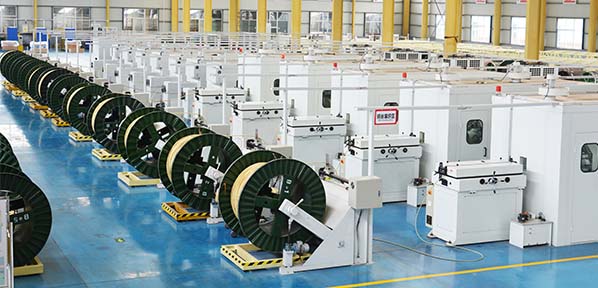
Manufacturing typically involves a multi-stage process. First, the inner tube is extruded through a die to achieve the desired bore size and wall thickness. The steel wire is then spirally wrapped around the inner tube under tension, utilizing specialized winding machines. This tension is crucial for achieving proper reinforcement and preventing wire relaxation. Subsequently, the outer cover is extruded over the reinforced inner tube, bonding to both the inner tube and the wire helix. Curing, a vulcanization process using heat and pressure, crosslinks the rubber polymers, enhancing its strength, elasticity, and resistance to environmental degradation. Quality control at each stage, including dimensional checks, pressure testing (to burst pressure and working pressure), and visual inspection for defects, is paramount. Key parameter control includes maintaining consistent rubber compound viscosity, wire tension during winding, curing temperature and time, and dimensional tolerances.

Performance & Engineering
The performance of china black wire spiral hydraulic hose is governed by several engineering principles. The hose must withstand internal pressure without bursting or collapsing. Burst pressure, a key specification, represents the maximum pressure the hose can withstand before failure. Working pressure is typically a fraction (e.g., 1/4) of the burst pressure, providing a safety margin. Flexibility is crucial, particularly in dynamic applications. The steel wire spiral allows the hose to bend repeatedly without kinking or experiencing significant pressure drop. Force analysis involves calculating hoop stress (stress in the circumferential direction due to internal pressure) and longitudinal stress (stress along the hose length due to pressure and bending). The wire reinforcement carries the majority of the hoop stress, while the rubber provides sealing and flexibility.
Environmental resistance is another key consideration. Exposure to extreme temperatures, UV radiation, ozone, and various chemicals can degrade the rubber compounds, leading to loss of flexibility and eventual failure. Abrasion resistance is critical in applications where the hose is subjected to rubbing against other surfaces. Compliance requirements, such as those outlined by SAE (Society of Automotive Engineers) standards (e.g., SAE J517 for hydraulic hose specifications), dictate minimum performance requirements and testing procedures. Functional implementation involves selecting the appropriate hose size, length, and reinforcement based on the hydraulic system’s operating pressure, temperature, fluid type, and bending radius. Proper fitting selection and installation are also vital to prevent leakage and ensure hose longevity. A key failure point is improper bend radius which can cause the steel wire to fatigue.
Technical Specifications
| Parameter | Unit | Specification Range (Typical) | Test Standard |
|---|---|---|---|
| Working Pressure | MPa | 10 - 35 | SAE J517 |
| Burst Pressure | MPa | 40 - 140 | SAE J517 |
| Temperature Range | °C | -40 to +100 | SAE J517 |
| Inner Tube Material | - | NBR, CR, EPDM | ASTM D2000 |
| Reinforcement Material | - | High-Tensile Steel Wire | ASTM A938 |
| Outer Cover Material | - | CR, Synthetic Rubber Blend | ASTM D2000 |
Failure Mode & Maintenance
China black wire spiral hydraulic hose is susceptible to several failure modes. Fatigue cracking, initiated by repeated bending and pressure cycling, is a common cause of failure, particularly near the fittings. Wire relaxation, occurring over time due to creep, can reduce the hose’s pressure capacity. Delamination, the separation of the rubber layers from the wire reinforcement, can result from improper curing or exposure to harsh chemicals. Oxidation and degradation of the rubber compounds, caused by exposure to ozone, UV radiation, and high temperatures, lead to embrittlement and cracking. Abrasive wear can compromise the outer cover, exposing the wire reinforcement to corrosion. Internal corrosion, while less frequent, can occur due to the presence of water or incompatible fluids.
Preventive maintenance is critical for extending hose life. Regular visual inspections should be performed to check for cracks, abrasions, leaks, and bulging. Hoses should be replaced if any signs of damage are detected. Fittings should be inspected for corrosion and tightness. Proper storage is essential; hoses should be stored in a cool, dry, dark place, away from ozone sources and direct sunlight. When handling hoses, avoid sharp bends and kinks. Flushing the hydraulic system periodically to remove contaminants can prevent internal corrosion and abrasion. If a hose fails, a thorough failure analysis should be conducted to identify the root cause and prevent recurrence. Replacement hoses should always meet or exceed the original specifications.
Industry FAQ
Q: What is the impact of hydraulic fluid type on hose selection?
A: Hydraulic fluid compatibility is paramount. NBR is suitable for mineral oils; CR is better for phosphate ester fluids; EPDM excels with certain synthetic fluids. Using an incompatible fluid can cause the inner tube to swell, degrade, or crack, leading to premature failure. Always consult fluid compatibility charts and the hose manufacturer’s recommendations.
Q: How does temperature affect the hose’s performance and lifespan?
A: Extreme temperatures accelerate rubber degradation. High temperatures cause embrittlement and loss of elasticity, while low temperatures can reduce flexibility and increase the risk of cracking. Operating outside the specified temperature range significantly shortens hose life. Specialized high-temperature or low-temperature hose formulations are available for demanding applications.
Q: What is the significance of the wire spiral pitch and gauge?
A: The wire spiral pitch (distance between wires) and gauge (wire diameter) directly impact the hose’s pressure rating and flexibility. A tighter pitch and larger gauge provide higher pressure capacity but reduce flexibility. Choosing the appropriate combination depends on the specific application requirements.
Q: How important is proper fitting installation?
A: Proper fitting installation is crucial for preventing leaks and ensuring hose integrity. Fittings must be correctly sized and crimped to create a secure seal. Over-crimping can damage the hose reinforcement, while under-crimping can lead to leakage. Using the correct crimping machine and dies is essential.
Q: What are the common causes of hose kinking and how can it be avoided?
A: Kinking occurs when the hose is bent beyond its minimum bend radius. This stresses the reinforcement and can lead to internal damage. Avoiding sharp bends, using sufficient hose length, and properly routing the hose can prevent kinking. Using swivel fittings can also help accommodate movement and reduce stress.
Conclusion
China black wire spiral hydraulic hose remains a vital component in numerous industrial applications, providing a robust and reliable solution for fluid power transmission. Its performance is fundamentally linked to the careful selection of materials – specifically, the synthetic rubber compounds for the inner tube and outer cover, coupled with the strength and configuration of the steel wire reinforcement. Maintaining stringent control over the manufacturing process, encompassing extrusion, winding, curing, and quality assurance, is essential for achieving consistent performance and longevity.
Future advancements will likely focus on developing enhanced rubber formulations with improved resistance to abrasion, chemicals, and extreme temperatures, as well as exploring alternative reinforcement materials (e.g., synthetic fibers) to reduce weight and improve flexibility. Moreover, the integration of smart sensors into hose assemblies for real-time pressure and temperature monitoring promises to enable predictive maintenance and further enhance system reliability and safety.