
Apr . 01, 2024 17:55 Back to list
china 51mm hydraulic hose Performance Analysis

Introduction
The 51mm internal diameter hydraulic hose, commonly manufactured in China, represents a critical component within fluid power systems across diverse industrial sectors. This hose functions to transmit hydraulic fluid under substantial pressure, facilitating the operation of heavy machinery in construction, agriculture, manufacturing, and automotive applications. Its position within the industrial chain is as a final element connecting the hydraulic pump to actuators such as cylinders and motors. Core performance characteristics encompass burst pressure, working pressure, temperature resistance, and fluid compatibility, directly influencing system reliability and operational safety. The increasing demand for robust and cost-effective hydraulic solutions has propelled the Chinese manufacturing base to prominence in this sector. Understanding the materials, manufacturing processes, and performance parameters of these hoses is crucial for engineers, procurement managers, and maintenance personnel alike. A key pain point within the industry involves ensuring consistent quality and adherence to international standards amidst a diverse supplier landscape.
Material Science & Manufacturing
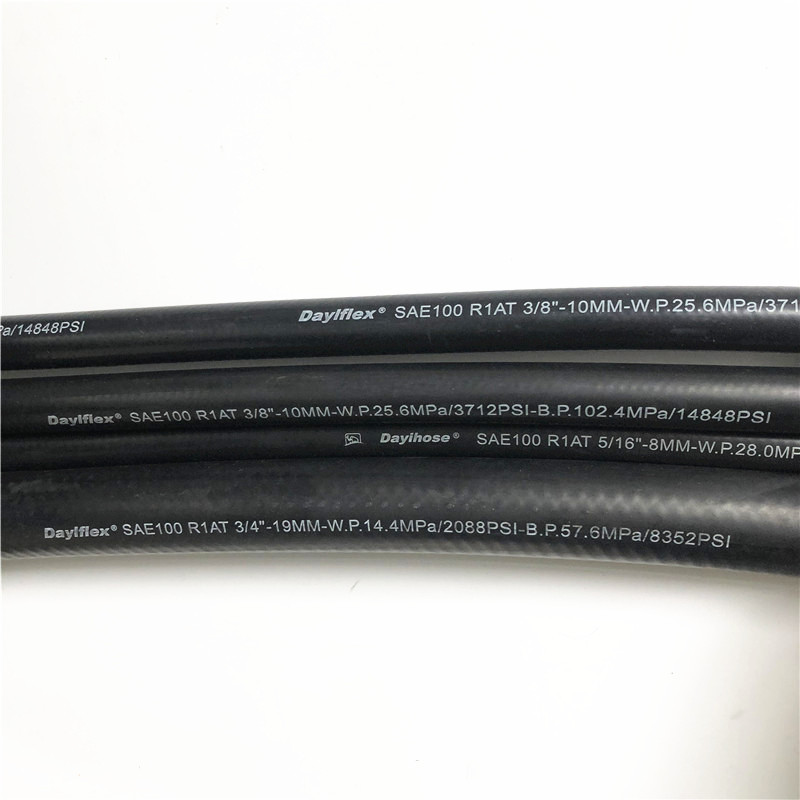
The construction of a 51mm hydraulic hose typically involves several layers. The innermost layer, in direct contact with the fluid, is commonly composed of synthetic rubber, specifically nitrile rubber (NBR) due to its excellent resistance to petroleum-based hydraulic fluids. Alternatives include chloroprene rubber (CR) for improved heat and ozone resistance, and fluorocarbon rubber (FKM) for highly demanding applications requiring compatibility with aggressive fluids and high temperatures. The reinforcement layer is critical for withstanding internal pressure and preventing hose collapse. This layer is typically constructed from multiple braids of high-strength steel wire, although alternative materials like aramid fiber are used to reduce weight and increase flexibility. The number of braids directly correlates with the hose’s working and burst pressure ratings. The outer cover is usually made from synthetic rubber, often a blend of styrene-butadiene rubber (SBR) for abrasion resistance and weather protection. Manufacturing processes begin with the extrusion of the inner tube to the specified diameter and wall thickness. Subsequently, the reinforcement braids are applied, followed by the extrusion of the outer cover. Key parameter control during manufacturing includes precise temperature regulation during extrusion to ensure uniform material properties, accurate braid winding tension to maintain consistent reinforcement density, and proper vulcanization (curing) to achieve optimal rubber elasticity and chemical resistance. Post-production testing includes burst pressure testing, impulse testing, and leak testing to verify conformity to specifications. Maintaining tight tolerances throughout the process minimizes defects such as porosity, pinholes, and braid slippage.
Performance & Engineering
The performance of a 51mm hydraulic hose is dictated by several engineering considerations. Force analysis focuses on hoop stress generated by internal pressure, which is directly proportional to the hose’s diameter and operating pressure. The reinforcement layer’s strength must exceed this stress to prevent burst failure. Environmental resistance is a critical factor; prolonged exposure to ultraviolet radiation, ozone, and extreme temperatures can degrade the rubber compounds, reducing their elasticity and increasing the risk of cracking. Hydraulic fluid compatibility is paramount; incompatible fluids can cause swelling, softening, or hardening of the inner tube, leading to leaks or reduced flow. Compliance requirements vary by region and application. In Europe, hoses must comply with EN 853, which specifies performance characteristics and testing procedures. In the United States, SAE J517 outlines similar standards. Functional implementation involves careful selection of hose fittings. Fittings must be securely crimped onto the hose to create a leak-proof seal. Improper crimping can lead to premature failure. Hose routing is also important; sharp bends and abrasion against other components can damage the outer cover and compromise the hose’s integrity. Consideration of fluid velocity is important to mitigate erosion and cavitation damage within the hose. Furthermore, the hose's flexibility and bend radius are crucial for preventing kinking and restricting flow.
Technical Specifications
| Parameter | Typical Value (China 51mm Hydraulic Hose) | Unit | Testing Standard |
|---|---|---|---|
| Inner Diameter | 51 | mm | ISO 1307 |
| Working Pressure | 20 - 35 | MPa | EN 853 / SAE J517 |
| Burst Pressure | 60 - 105 | MPa | EN 853 / SAE J517 |
| Temperature Range | -40 to +100 | °C | DIN 2488 |
| Reinforcement | 2 or 4 Steel Wire Braids | - | EN 853 |
| Cover Material | SBR / Synthetic Rubber Blend | - | ASTM D2000 |
Failure Mode & Maintenance
Failure modes in 51mm hydraulic hoses are diverse. Fatigue cracking, particularly at the crimp points, is common due to cyclic pressure fluctuations and vibration. Delamination of the reinforcement layers can occur if the bonding between the rubber and steel wire is insufficient. Degradation of the rubber compounds due to exposure to heat, ozone, or incompatible fluids leads to loss of elasticity and cracking. Oxidation, especially in the outer cover, causes hardening and brittleness. Abrasion from external contact results in wear and eventual breach of the outer cover. Internal erosion from high-velocity fluid flow can damage the inner tube. Maintenance solutions include regular visual inspections for signs of wear, cracking, or leakage. Proper hose routing to avoid sharp bends and abrasion is crucial. Periodic fluid analysis to ensure compatibility and identify contaminants prevents internal damage. Crimping should be inspected and re-crimped if necessary. Hoses should be replaced at recommended intervals, even if no visible damage is present. A preventative maintenance schedule detailing inspection frequency and replacement criteria is essential. Proper storage of unused hoses in a cool, dry, and dark environment prevents premature degradation. When replacing a hose, ensure the new hose meets or exceeds the original specifications.
Industry FAQ
Q: What is the impact of using a hose with an incorrect working pressure rating for my application?
A: Using a hose with a working pressure rating lower than the system's operating pressure can lead to catastrophic failure, resulting in leaks, equipment damage, and potential injury. Conversely, using a hose with a significantly higher pressure rating than necessary can result in decreased flexibility and increased cost without providing any additional benefit.
Q: How does temperature affect the lifespan of a hydraulic hose?
A: Elevated temperatures accelerate the degradation of rubber compounds, reducing their elasticity and increasing the risk of cracking. Low temperatures can make the rubber brittle and more susceptible to damage. Operating the hose outside its specified temperature range significantly shortens its lifespan.
Q: What are the key differences between single-wire and multi-wire braided hoses?
A: Single-wire braided hoses are typically used for lower-pressure applications and offer greater flexibility. Multi-wire braided hoses provide higher pressure ratings and improved resistance to kinking and abrasion but are less flexible. The choice depends on the specific application requirements.
Q: What is the importance of proper crimping technique when attaching fittings to the hose?
A: Proper crimping creates a leak-proof seal between the fitting and the hose. Incorrect crimping (under-crimping or over-crimping) can lead to leaks, hose slippage, or premature failure. Using calibrated crimping equipment and following the fitting manufacturer’s instructions is essential.
Q: What type of hydraulic fluid is most compatible with standard nitrile rubber (NBR) hose inner tubes?
A: NBR is generally compatible with petroleum-based hydraulic fluids, including mineral oils and many synthetic lubricants. However, it is not compatible with phosphate ester fluids or certain aggressive chemicals. Always verify fluid compatibility before use.
Conclusion
The 51mm hydraulic hose, while seemingly a simple component, plays a vital role in the safe and efficient operation of hydraulic systems. Understanding the interplay between material science, manufacturing processes, and performance parameters is crucial for selecting the appropriate hose for a given application. Ensuring adherence to relevant industry standards, conducting regular maintenance, and proactively addressing potential failure modes are paramount to maximizing hose lifespan and minimizing downtime.
Looking ahead, advancements in materials and manufacturing techniques, such as the development of more durable rubber compounds and automated braiding processes, will continue to enhance the performance and reliability of these hoses. Furthermore, increased emphasis on sustainability and environmental regulations will drive the adoption of eco-friendly materials and manufacturing processes. Ultimately, a comprehensive approach encompassing material selection, quality control, and diligent maintenance will remain fundamental to successful hydraulic system operation.