
Apr . 01, 2024 17:55 Back to list
china 25mm hydraulic hose Performance Analysis
Introduction
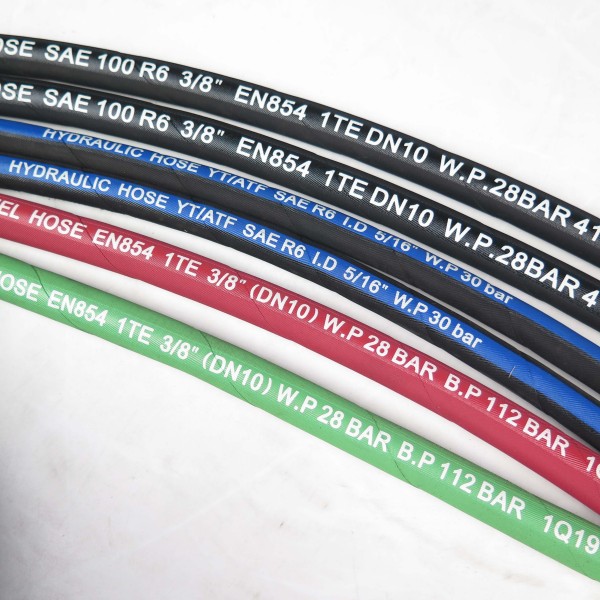
The 25mm hydraulic hose, manufactured in China, represents a critical component in fluid power systems across diverse industrial applications. Characterized by its internal diameter of 25mm (approximately 1 inch), this hose is designed for the transmission of hydraulic fluid under significant pressure. Its position within the industry chain is as a final, application-ready product, following the upstream manufacturing of rubber compounds, steel wire, and hose fittings. Core performance metrics include burst pressure, working pressure, temperature resistance, and fluid compatibility, all vital considerations for ensuring operational safety and efficiency. This guide provides an in-depth examination of the materials, manufacturing processes, performance characteristics, failure modes, and industry standards associated with these hoses, aiming to deliver a comprehensive technical understanding for procurement managers, engineers, and maintenance personnel.
Material Science & Manufacturing
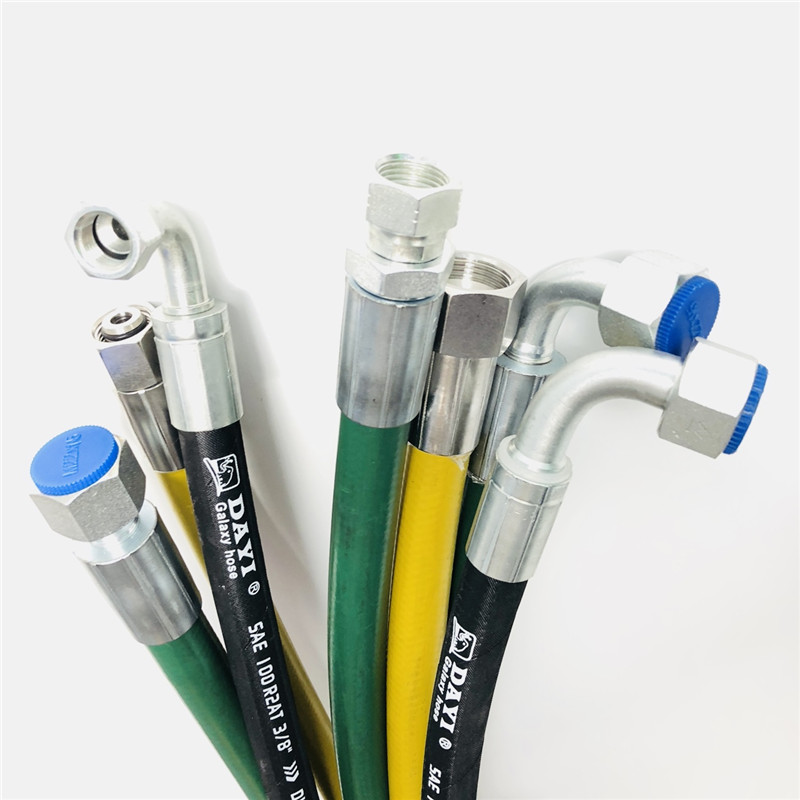
The construction of a 25mm hydraulic hose typically involves four key layers: the inner tube, reinforcement layers, outer cover, and fittings. The inner tube is commonly composed of synthetic rubber compounds, specifically nitrile rubber (NBR) due to its excellent resistance to petroleum-based hydraulic fluids. NBR’s chemical composition dictates its resistance to degradation from hydraulic oil, while its flexibility ensures hose maneuverability. Alternative materials, such as chloroprene rubber (CR) may be used for improved ozone and weathering resistance, albeit with potentially lower oil resistance. Reinforcement is crucial for withstanding high pressures. Multiple layers of high-tensile steel wire, spirally wound, provide the necessary strength. The number of wire layers directly correlates with the hose’s burst pressure rating. The outer cover is usually made of chloroprene rubber (CR) or a polyurethane blend, offering abrasion, weathering, and chemical resistance. Manufacturing involves a continuous extrusion process. Rubber compounds are heated and forced through a die to form the inner tube and outer cover. Simultaneously, steel wire is spirally wound around a mandrel. These layers are then combined and cured under heat and pressure in a vulcanization process. Critical parameters during manufacturing include maintaining precise rubber compound ratios, consistent wire tension, and accurate curing times and temperatures. Post-curing, the hose undergoes dimensional checks, pressure testing, and fitting crimping. Fitting materials are commonly carbon steel, often zinc-plated or stainless steel for corrosion resistance. Crimping ensures a secure, leak-proof connection between the hose and fitting, with crimp specifications dictated by SAE J517 standards.
Performance & Engineering
The performance of a 25mm hydraulic hose is fundamentally governed by its ability to withstand internal pressure without failure. Force analysis centers around Hoop stress (σh) calculated using the formula σh = (P r) / t, where P is the internal pressure, r is the inner radius, and t is the wall thickness. Higher pressure and larger radius increase stress, while thicker walls reduce it. Fatigue life is a critical consideration, particularly in applications involving cyclical loading. Repeated pressure fluctuations induce stress cycling, potentially leading to fatigue cracking in the reinforcement layers. Environmental resistance is paramount. Exposure to extreme temperatures (both high and low) can significantly impact rubber compound elasticity and strength. Oil compatibility is also crucial, as incompatibility can cause swelling, softening, or cracking of the inner tube. Compliance requirements dictate adherence to specific industry standards. SAE J517 (hose construction) and SAE J1926 (hose fitting standards) are widely adopted. Hose assemblies must also meet relevant safety regulations, such as those pertaining to hydraulic system safety in heavy machinery and industrial equipment. Selection of appropriate fittings, considering thread type, material compatibility, and pressure ratings, is crucial for preventing leakage and ensuring system integrity. Proper hose routing, avoiding sharp bends and abrasion points, is also critical for extending service life.
Technical Specifications
| Parameter | Unit | Typical Value (China 25mm Hydraulic Hose) | Test Standard |
|---|---|---|---|
| Inner Diameter | mm | 25 ± 0.5 | ISO 1307 |
| Working Pressure | MPa | 20 - 35 | SAE J517 |
| Burst Pressure | MPa | 60 - 105 | SAE J517 |
| Temperature Range | °C | -40 to +100 | SAE J517 |
| Reinforcement Layers | Number | 4 - 6 | Visual Inspection |
| Outer Cover Material | - | Chloroprene Rubber (CR) or Polyurethane | Chemical Analysis |
Failure Mode & Maintenance
Failure modes in 25mm hydraulic hoses are diverse and often interconnected. Fatigue cracking, initiated by repeated pressure cycles, is a common cause, typically originating in the steel wire reinforcement. Corrosion, both internal and external, can significantly reduce hose strength and lifespan. Internal corrosion arises from the degradation of the inner tube due to fluid contamination (water, air, or incompatible chemicals). External corrosion affects fittings and exposed steel wire. Abrasion, caused by rubbing against surrounding components, damages the outer cover, exposing the reinforcement layers. Kinking, resulting from excessive bending, can cause internal damage and restrict fluid flow. Degradation of the rubber compounds due to prolonged exposure to UV radiation, ozone, or extreme temperatures leads to loss of elasticity and cracking. Oxidation of the hydraulic fluid can also contribute to hose failure by accelerating internal corrosion. Maintenance strategies include regular visual inspections for signs of wear, abrasion, or leaks. Pressure testing should be conducted periodically to verify hose integrity. Fluid analysis is critical for identifying contamination and ensuring compatibility with hose materials. Proper hose routing and support are essential to prevent kinking and abrasion. When replacing hoses, it is crucial to use fittings that are compatible with both the hose and the hydraulic system. Crimping must be performed correctly to ensure a secure connection. Regularly check and tighten fittings to prevent leaks. Implement a preventative maintenance schedule to proactively address potential issues before they lead to failure.
Industry FAQ
Q: What is the impact of using an incompatible hydraulic fluid with a 25mm hydraulic hose?
A: Using an incompatible fluid can lead to severe degradation of the inner tube. This manifests as swelling, softening, or cracking of the rubber compound, compromising its ability to contain pressure and resulting in leaks. Certain fluids can also accelerate corrosion within the hose, further reducing its lifespan. Always verify fluid compatibility with the hose manufacturer's specifications.
Q: How does the number of reinforcement layers affect the hose's performance?
A: Increasing the number of reinforcement layers directly increases the hose’s burst pressure rating and resistance to fatigue. Each layer adds tensile strength, enabling the hose to withstand higher internal pressures without failure. However, more layers also increase the hose’s stiffness and reduce its flexibility.
Q: What are the critical considerations for hose fitting selection?
A: Fitting selection must consider thread type (NPT, BSP, etc.), material compatibility (carbon steel, stainless steel), and pressure rating. The fitting must be rated to at least the working pressure of the hose and system. Using mismatched fittings can lead to leaks and potential system failure. Ensure proper crimping is performed.
Q: What preventative measures can be taken to minimize hose abrasion?
A: Proper hose routing is paramount. Avoid sharp bends and contact points with abrasive surfaces. Utilize hose guards or sleeves to protect the outer cover from damage. Regularly inspect hoses for signs of abrasion and replace them if necessary. Ensure adequate clearance between the hose and surrounding components.
Q: How often should hydraulic hoses be pressure tested?
A: The frequency of pressure testing depends on the application and operating conditions. As a general guideline, hoses should be pressure tested at least annually, or more frequently in critical applications or harsh environments. Record test results for tracking hose performance and identifying potential issues.
Conclusion
The 25mm hydraulic hose, manufactured in China, is a complex engineered product with performance characteristics dictated by material selection, manufacturing precision, and adherence to stringent industry standards. Understanding the interplay between internal pressure, reinforcement structure, and environmental factors is crucial for ensuring safe and reliable operation. Proper maintenance, including regular inspection, fluid analysis, and appropriate fitting selection, significantly extends hose service life and minimizes the risk of catastrophic failure.
Looking forward, advancements in rubber compound technology and manufacturing processes are likely to yield hydraulic hoses with improved temperature resistance, chemical compatibility, and fatigue life. The adoption of smart hose monitoring systems, incorporating pressure sensors and leak detection capabilities, will further enhance preventative maintenance strategies and optimize system performance. Continued adherence to international standards and a commitment to quality control will be essential for maintaining the reliability and safety of hydraulic systems utilizing these critical components.