
Apr . 01, 2024 17:55 Back to list
china 16mm hydraulic hose Performance Analysis
Introduction
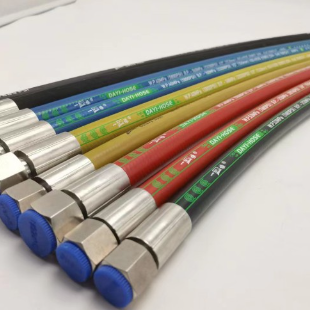
The 16mm hydraulic hose, manufactured in China, represents a critical component in fluid power systems across diverse industrial applications. Positioned within the hydraulic system as the conduit for pressurized fluid – typically hydraulic oil – it transmits power from the pump to actuators, enabling machine functionality. These hoses, adhering to stringent international standards, are vital in construction equipment, agricultural machinery, material handling vehicles, and various manufacturing processes. Core performance characteristics include pressure rating, burst pressure, temperature resistance, and fluid compatibility, all of which directly impact system reliability and operational safety. A primary industry pain point is ensuring consistent quality and performance from Chinese manufacturers, alongside verification of adherence to relevant safety and environmental regulations. Furthermore, correct hose selection, installation, and maintenance are crucial to prevent premature failure and potential hazards.
Material Science & Manufacturing
The construction of a 16mm hydraulic hose typically involves multiple layers engineered for specific functionalities. The innermost layer, the tube, is generally made from synthetic rubber compounds like nitrile rubber (NBR) or ethylene propylene diene monomer (EPDM), chosen for their compatibility with hydraulic fluids and resistance to degradation. NBR excels with petroleum-based fluids, while EPDM offers superior resistance to heat, ozone, and weathering. Reinforcement layers, providing strength to withstand high pressures, are commonly constructed from multiple spiral plies of high-tensile steel wire. The number and diameter of these wires directly correlate to the hose's working and burst pressure capabilities. An outer cover, often made of chlorinated polyethylene (CPE) or polyurethane, provides abrasion, ozone, and weather resistance. Manufacturing processes include extrusion for the inner tube and outer cover, followed by spiral winding of the reinforcement wires. Critical parameters during extrusion include temperature control to ensure consistent rubber density and dimensional accuracy. Wire winding tension is meticulously controlled to achieve the specified pressure rating. Post-production testing includes hydrostatic testing (pressurizing the hose to several times its working pressure), impulse testing (simulating pressure pulsations), and dimensional checks. Chemical compatibility testing with target hydraulic fluids is also vital. A key challenge lies in maintaining consistent material properties and dimensional tolerances across large-scale production runs.

Performance & Engineering
The performance of a 16mm hydraulic hose is dictated by several engineering principles. Force analysis focuses on hoop stress within the hose wall due to internal pressure. The reinforcement layers are engineered to counteract this stress, preventing hose expansion and rupture. The working pressure is determined by the material strength of the reinforcement and the tube, along with a safety factor. Environmental resistance is paramount; hydraulic hoses are frequently exposed to temperature extremes, UV radiation, and corrosive substances. CPE and polyurethane covers provide protection against these elements. Compliance with standards like SAE J517 and EN 853 is mandatory for safety and interchangeability. These standards specify requirements for pressure rating, burst pressure, temperature range, and fluid compatibility. The hose's bend radius is also a critical parameter; exceeding the minimum bend radius can cause kinking, restricting fluid flow and potentially damaging the hose. Installation practices, including proper fitting selection and torque application, significantly impact performance. Incorrectly tightened fittings can lead to leaks, while overtightening can damage the hose or fittings. Furthermore, vibration and pulsation within the hydraulic system can induce fatigue failure over time, necessitating the use of anti-vibration mounts and pulsation dampeners.
Technical Specifications
| Parameter | Unit | SAE J517 (R1AT) | EN 853 (1SN) |
|---|---|---|---|
| Inner Diameter | mm | 16 | 16 |
| Outer Diameter (Approx.) | mm | 28 | 27 |
| Working Pressure | MPa | 20.7 | 20.0 |
| Burst Pressure | MPa | 82.7 | 80.0 |
| Temperature Range | °C | -40 to +100 | -40 to +100 |
| Reinforcement | - | One High-Tensile Steel Wire Spiral | One High-Tensile Steel Wire Spiral |
| Cover Material | - | CPE | CPE |
Failure Mode & Maintenance
Failure modes in 16mm hydraulic hoses are diverse and often interconnected. Fatigue cracking, induced by repeated pressure pulsations and flexing, is a common cause of failure, particularly near fittings. Delamination of reinforcement layers can occur due to improper bonding during manufacturing or exposure to harsh chemicals. The rubber tube is susceptible to degradation due to oxidation, heat aging, and fluid incompatibility. This can lead to loss of flexibility and cracking. Abrasion from external sources can damage the outer cover, exposing the reinforcement layers to corrosion. Internal corrosion can occur if the hydraulic fluid becomes contaminated with water or abrasive particles. Fitting failures, such as thread stripping or corrosion, can also lead to leaks and hose rupture. Regular maintenance is crucial to mitigate these risks. This includes visual inspections for signs of wear, cracks, or swelling; pressure testing to identify leaks; and fluid analysis to monitor contamination levels. Hoses should be replaced if they exhibit any signs of damage or if they have exceeded their recommended service life. Proper storage is also important; hoses should be stored in a cool, dry place away from direct sunlight and ozone sources. Incorrect handling, such as kinking or stretching, should be avoided.
Industry FAQ
Q: What is the impact of hydraulic fluid type on hose life?
A: The selection of hydraulic fluid is critical. Incompatible fluids can cause swelling, softening, or cracking of the inner tube, leading to premature failure. For example, using a petroleum-based fluid in a hose designed for synthetic fluids will accelerate degradation. Always verify fluid compatibility with the hose manufacturer's specifications.
Q: How does temperature affect hose performance?
A: Extreme temperatures can significantly impact hose life. High temperatures accelerate rubber degradation, reducing flexibility and increasing the risk of cracking. Low temperatures can make the hose brittle and susceptible to impact damage. Operating outside the specified temperature range will void warranties and compromise safety.
Q: What are the proper torque specifications for hose fittings?
A: Proper torque is crucial for a leak-free and reliable connection. Under-torque can lead to leaks, while over-torque can damage the hose or fittings. Always refer to the fitting manufacturer’s specifications for the correct torque values. Using a calibrated torque wrench is essential.
Q: How can I prevent hose twisting during installation?
A: Hose twisting can induce stress and reduce the hose's effective bend radius, leading to premature failure. Ensure the hose is free to rotate during installation and avoid applying torque to the hose itself. Use swivel fittings where necessary to accommodate movement.
Q: What is the significance of impulse testing and how does it relate to field performance?
A: Impulse testing simulates the pressure pulsations common in hydraulic systems. It assesses the hose’s ability to withstand repeated pressure spikes without failure. A hose that performs well in impulse testing is more likely to have a longer service life in the field, particularly in applications with high-frequency pressure variations.
Conclusion
The 16mm hydraulic hose, despite its seemingly simple construction, is a complex engineered component essential for reliable hydraulic power transmission. Understanding the interplay between material science, manufacturing processes, performance parameters, and potential failure modes is paramount for ensuring optimal system performance and safety. Correct hose selection, based on application-specific requirements for pressure, temperature, fluid compatibility, and environmental conditions, is the first critical step. Furthermore, adherence to proper installation and maintenance procedures, including regular inspections and timely replacement, are vital for maximizing hose lifespan and minimizing the risk of catastrophic failure.
The continuous evolution of hydraulic hose technology, driven by demands for higher pressures, improved durability, and reduced environmental impact, necessitates ongoing vigilance and adaptation. Future advancements are likely to focus on the development of new rubber compounds with enhanced resistance to degradation, innovative reinforcement materials for increased strength-to-weight ratios, and smart hose technologies incorporating sensors for real-time condition monitoring. A proactive approach to hose management, integrating data-driven insights and predictive maintenance strategies, will be crucial for optimizing hydraulic system reliability and minimizing operational costs.