
Apr . 01, 2024 17:55 Back to list
china 10mm hydraulic hose Performance Analysis

Introduction
The 10mm hydraulic hose, manufactured in China, represents a critical component in fluid power systems across diverse industries including construction, agriculture, material handling, and manufacturing. Positioned within the hydraulic system as a flexible conduit, its primary function is the reliable transmission of pressurized hydraulic fluid, enabling the operation of actuators, motors, and other hydraulic devices. These hoses are typically composed of an inner tube, reinforcement layers, and an outer cover, each contributing to specific performance characteristics. Core performance attributes include pressure capacity, temperature resistance, fluid compatibility, and burst strength. A key industry pain point centers on achieving consistent quality and reliable performance at a competitive price point, particularly given the variations in rubber compound formulations and manufacturing processes among Chinese producers. Understanding the intricacies of material selection, construction, and testing is paramount for ensuring operational safety and longevity.
Material Science & Manufacturing
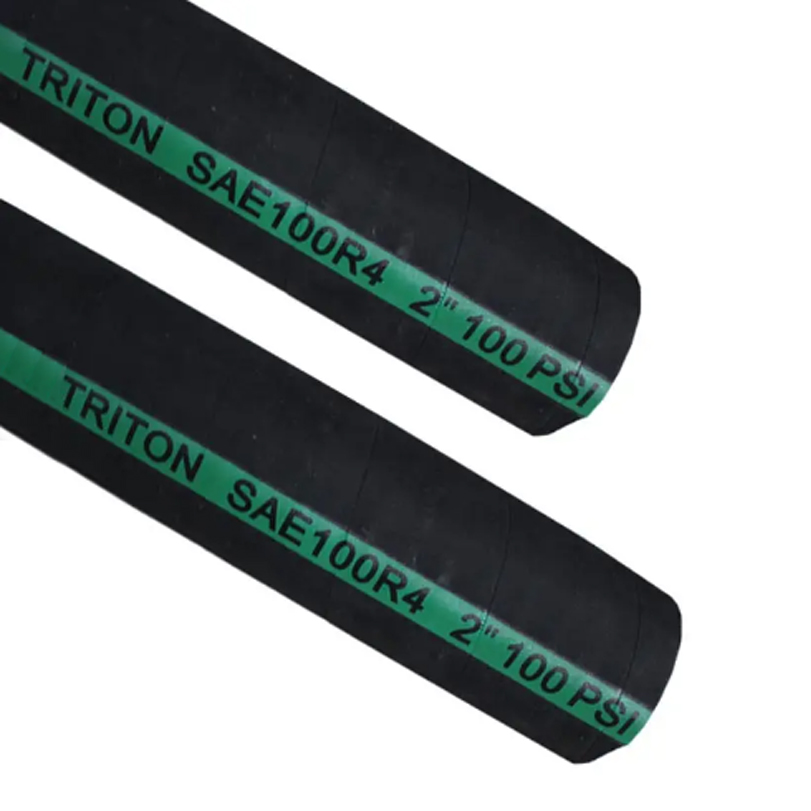
The manufacture of a 10mm hydraulic hose begins with the selection of appropriate raw materials. The inner tube is typically composed of a synthetic rubber compound, commonly Nitrile Rubber (NBR) for oil-based hydraulic fluids due to its excellent oil resistance, or Ethylene Propylene Diene Monomer (EPDM) for water-based fluids. NBR's chemical structure (-CH2-CH2-C(CH3)=CH-) provides inherent resistance to petroleum-based products, while EPDM’s (-CH2-CH2-O-CH2-CH2-) offers superior resistance to heat, ozone, and weathering. Reinforcement is critical for withstanding high pressures and typically employs multiple layers of high-tensile strength steel wire. The wire's metallurgy – carbon steel often coated with zinc for corrosion protection – directly impacts the hose’s burst pressure. The outer cover generally uses a Chloroprene rubber (CR) compound, known for its abrasion resistance, weathering resistance, and oil resistance. The manufacturing process typically involves several key stages: inner tube extrusion, reinforcement layer winding (helically or spirally), outer cover extrusion, and final curing. Precise control of extrusion temperatures, winding tension, and curing time (temperature and duration) is essential. Incorrect curing can lead to incomplete vulcanization, reducing the rubber’s elasticity and strength. Parameter control relies heavily on Statistical Process Control (SPC) to minimize variations and ensure consistent product quality. Pre-treatment of the steel wire (cleaning and coating) is also crucial to prevent corrosion and ensure adhesion with the rubber compounds.
Performance & Engineering
The performance of a 10mm hydraulic hose is dictated by a complex interplay of forces and environmental factors. Stress analysis, employing Finite Element Analysis (FEA), is commonly used to predict hose behavior under pressure, bending, and axial loading. The primary failure mode under pressure is burst, determined by the tensile strength of the reinforcement layers and the adhesion between layers. Bending induces stress concentrations at the bend radius; smaller bend radii dramatically increase stress and reduce hose life. Temperature extremes can affect rubber elasticity and viscosity, impacting pressure capacity and flexibility. Higher temperatures generally decrease pressure capacity, while lower temperatures can reduce flexibility and increase susceptibility to cracking. Environmental resistance is particularly critical in outdoor applications. Exposure to ozone, UV radiation, and corrosive chemicals can degrade the rubber compounds, leading to cracking, swelling, or loss of elasticity. Compliance requirements vary by region. SAE J517 (US), EN 853 (Europe), and GB/T 3686 (China) define standards for pressure ratings, construction, testing, and marking. These standards specify burst pressure requirements, impulse pressure ratings, and minimum bend radii. Proper hose assembly, including the correct selection and crimping of fittings, is paramount for preventing leaks and ensuring reliable performance. Incorrect crimping can damage the hose reinforcement or create pathways for fluid to escape.
Technical Specifications
| Parameter | Unit | Typical Value (China 10mm Hydraulic Hose) | Testing Standard |
|---|---|---|---|
| Working Pressure | MPa | 16 - 25 | SAE J517 / EN 853 |
| Burst Pressure | MPa | 48 - 75 | SAE J517 / EN 853 |
| Inner Tube Material | - | NBR/EPDM | ASTM D2000 |
| Reinforcement | Layers | 2-4 Spiral Steel Wire | ASTM A938 |
| Outer Cover Material | - | CR | ASTM D2000 |
| Temperature Range | °C | -40 to +100 | SAE J517 |
Failure Mode & Maintenance
Failure modes in 10mm hydraulic hoses are diverse. Fatigue cracking, arising from repeated flexing and pressure cycling, is common, particularly near fittings. Delamination, the separation of reinforcement layers from the rubber matrix, reduces burst strength and can lead to catastrophic failure. Degradation of the rubber compounds, caused by exposure to heat, ozone, or chemicals, results in hardening, cracking, and loss of flexibility. Oxidation, a chemical process driven by oxygen exposure, degrades the rubber's molecular structure, reducing its elasticity and strength. Abrasion, particularly in harsh environments, can wear away the outer cover, exposing the reinforcement layers to corrosion. Maintenance practices are crucial for extending hose life. Regular visual inspections should identify cracks, abrasions, or swelling. Hose should be replaced if any damage is detected. Proper storage – avoiding direct sunlight, extreme temperatures, and contact with corrosive chemicals – is essential. When handling hoses, avoid sharp bends and twisting, as these can damage the reinforcement. Fluid contamination can also accelerate hose degradation; implementing a robust filtration system is therefore recommended. Crimping procedures should be regularly inspected and calibrated to ensure consistent and reliable connections. Maintaining accurate records of hose installations and replacements enables proactive maintenance scheduling and minimizes downtime.
Industry FAQ
Q: What is the impact of fluid compatibility on the lifespan of a 10mm hydraulic hose?
A: Fluid incompatibility is a major contributor to hose failure. Hydraulic fluids contain additives that can react with the rubber compounds, causing swelling, softening, or hardening. For example, using petroleum-based fluids in an EPDM hose will lead to rapid degradation. Selecting a hose with an inner tube material specifically designed for the intended fluid is critical. NBR is generally suitable for petroleum-based fluids, while EPDM is preferred for water-based fluids.
Q: How does impulse pressure differ from working pressure and why is it important?
A: Working pressure is the continuous operating pressure the hose is designed to handle. Impulse pressure, or surge pressure, refers to short-duration pressure spikes that occur in hydraulic systems, often caused by pump pulsations or rapid valve closures. Impulse pressure is typically much higher than working pressure. Hose failure often originates from fatigue caused by repeated impulse pressure cycles. Therefore, the hose's impulse pressure rating must exceed the maximum expected surge pressure in the system.
Q: What are the key considerations when selecting fittings for a 10mm hydraulic hose?
A: Fittings must be compatible with the hose material, pressure rating, and fluid type. The fitting's crimp geometry must properly engage the hose reinforcement without damaging it. Incorrect crimping can lead to leaks or premature failure. The fitting material must also be resistant to corrosion from the hydraulic fluid and the environment. Choosing fittings from a reputable manufacturer ensures quality and reliability.
Q: How does the hose bend radius affect its service life?
A: Operating a hose beyond its minimum bend radius introduces significant stress concentrations, accelerating fatigue and potentially leading to cracking. A smaller bend radius results in higher stress. Maintaining a bend radius at or above the manufacturer’s specification is vital for extending the hose's service life. Excessive bending also damages the reinforcement layers.
Q: What role does steel wire surface treatment play in hose reliability?
A: Steel wire is susceptible to corrosion, which weakens the reinforcement and reduces the hose’s burst pressure. Applying a protective coating, typically zinc plating, inhibits corrosion. The quality and consistency of this coating are crucial. Pre-treating the wire with cleaning agents also improves adhesion between the steel and the surrounding rubber compounds, enhancing overall hose integrity.
Conclusion
The 10mm hydraulic hose, despite its relatively simple construction, is a complex engineered component. Reliable performance hinges upon the careful selection of materials – specifically rubber compounds and steel reinforcement – coupled with meticulous control of the manufacturing process. Understanding the interplay of pressure, temperature, fluid compatibility, and environmental factors is paramount for ensuring operational longevity and preventing catastrophic failure. Selecting a hose that meets or exceeds relevant industry standards (SAE, EN, GB) and maintaining proper installation and maintenance practices are essential for maximizing service life and minimizing downtime.
The ongoing trend towards higher operating pressures and more demanding environmental conditions will continue to drive innovation in hydraulic hose technology. Future developments will likely focus on advanced rubber compounds with improved heat resistance, chemical compatibility, and abrasion resistance, as well as innovative reinforcement materials such as high-strength fibers. Continued investment in rigorous testing and quality control measures remains critical for ensuring the reliability of these vital components.