
Apr . 01, 2024 17:55 Back to list
china 1/2 hydraulic hose Performance Analysis
Introduction
The 1/2 inch hydraulic hose, commonly manufactured in China, represents a critical component in fluid power systems across diverse industries, including construction, agriculture, manufacturing, and material handling. These hoses are engineered to transmit hydraulic fluid under high pressure to operate actuators, motors, and other hydraulic machinery. Positioned within the hydraulic system as the flexible conduit connecting pump, valves, and actuators, the hose’s performance directly influences system efficiency, reliability, and safety. Core performance characteristics revolve around pressure rating, temperature resistance, fluid compatibility, and resistance to abrasion and kinking. The increasing demand for reliable and cost-effective hydraulic solutions has driven significant growth in the Chinese manufacturing sector for these components, necessitating stringent quality control and adherence to international standards. Understanding the material science, manufacturing processes, and potential failure modes of these hoses is paramount for optimal system design and longevity.
Material Science & Manufacturing
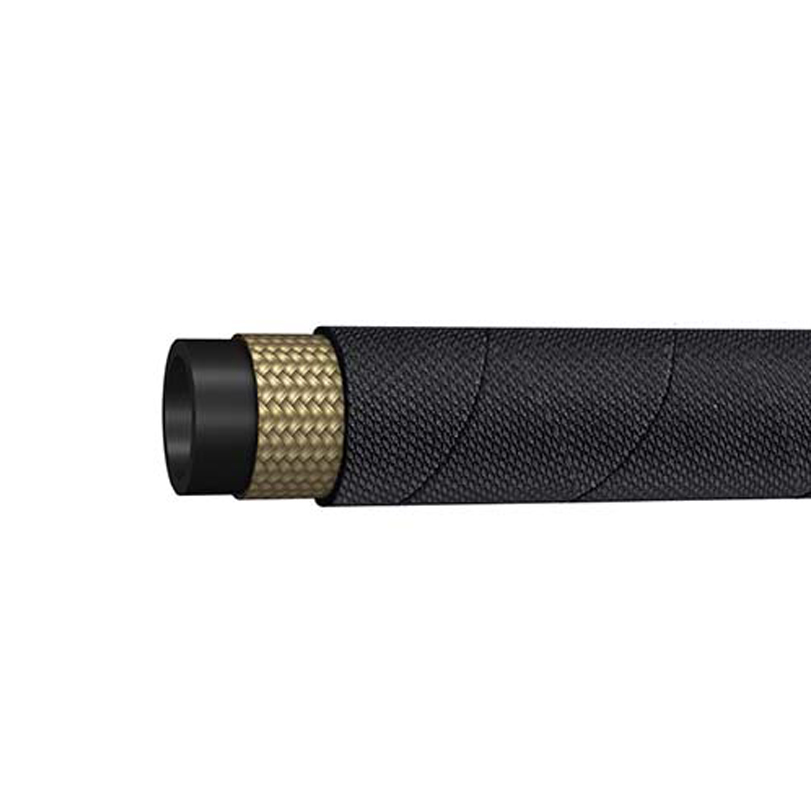
The construction of a 1/2 inch hydraulic hose typically involves multiple layers of specialized materials. The innermost layer, the tube, is usually composed of synthetic rubber, predominantly nitrile rubber (NBR) due to its excellent resistance to petroleum-based hydraulic fluids. NBR offers good abrasion resistance and maintains flexibility over a wide temperature range. Alternatives include chloroprene rubber (CR) for improved ozone and weather resistance and ethylene propylene diene monomer (EPDM) for compatibility with phosphate ester fluids. The reinforcement layer, providing the hose's strength and pressure resistance, typically consists of multiple plies of high-tensile steel wire, spirally wound or braided. The number and gauge of the steel wires directly correlate with the hose's working pressure capacity. Between the tube and the reinforcement, an adhesive layer ensures strong bonding, preventing separation under pressure. The outer cover is typically a synthetic rubber compound, often a blend of nitrile and polyvinyl chloride (PVC), designed to protect the reinforcement from abrasion, weathering, and chemical exposure. Manufacturing processes begin with extrusion of the inner tube and outer cover, followed by precise winding or braiding of the reinforcement layer. These layers are then assembled and vulcanized – a chemical process involving heat and pressure – to create a unified, durable hose. Key parameter control during vulcanization, including temperature, pressure, and time, is critical to achieve optimal material crosslinking and hose performance. Quality control checks throughout the process include dimensional inspections, pressure testing, and material composition analysis.
Performance & Engineering
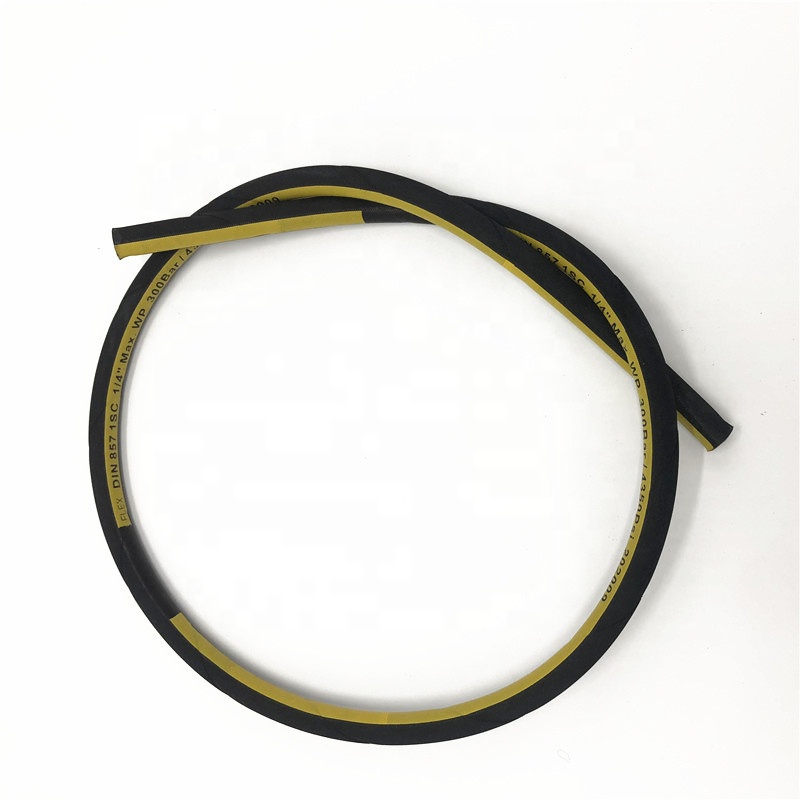
The performance of a 1/2 inch hydraulic hose is dictated by several engineering factors. Burst pressure, working pressure, and safety factor are crucial parameters. Burst pressure represents the maximum pressure the hose can withstand before rupture, while working pressure is the recommended maximum operational pressure, typically determined as a fraction of the burst pressure (often 4:1 safety factor). Fatigue resistance is paramount, as hoses are subjected to cyclical pressure fluctuations during operation. This is affected by the quality of the reinforcement and the hose’s ability to withstand repeated bending and flexing. Environmental resistance, particularly to temperature extremes and exposure to oils, chemicals, and UV radiation, is also critical. Force analysis considers the tensile stress on the reinforcement layer under pressure, and the bending stress induced by hose curvature. These stresses must be within the material’s allowable limits to prevent failure. Compliance requirements vary by region and application. For example, SAE J517 standards define pressure ratings and performance characteristics for hydraulic hoses in North America, while EN 853/857 standards govern European specifications. Proper hose routing, avoiding sharp bends and abrasion points, is crucial for preventing premature failure. The selection of compatible fittings is also essential; incorrect fittings can lead to leaks or catastrophic failure. Furthermore, consideration must be given to fluid velocity; excessive velocity can induce erosion of the inner tube.
Technical Specifications
| Parameter | Typical Value (China 1/2 Hydraulic Hose) | Testing Standard | Unit |
|---|---|---|---|
| Inner Diameter | 12.7 mm (0.5 inch) | ISO 1307 | mm |
| Working Pressure | 15 - 25 | SAE J517 / EN 853 | MPa |
| Burst Pressure | 60 - 100 | SAE J517 / EN 853 | MPa |
| Temperature Range | -40 to +100 | ISO 1817 | °C |
| Reinforcement Type | Spiral Steel Wire | SAE J517 | - |
| Cover Material | Nitrile Rubber / PVC Blend | ASTM D2000 | - |
Failure Mode & Maintenance
Common failure modes in 1/2 inch hydraulic hoses include fatigue cracking, particularly at the crimp connections and around bends. This occurs due to repeated flexing and pressure cycling, leading to the initiation and propagation of cracks in the reinforcement layer or the hose body. Pinholes in the inner tube can result from abrasion from fluid contaminants or chemical degradation. Delamination, the separation of layers within the hose, can occur due to inadequate adhesion during vulcanization or prolonged exposure to high temperatures. External damage, such as cuts, abrasions, and kinking, can compromise the hose's integrity, leading to leaks or burst failures. Oxidation of the rubber compounds, accelerated by exposure to heat, ozone, and UV radiation, can cause hardening and cracking. To mitigate these failures, regular inspections are crucial. These should include visual checks for cracks, abrasions, and leaks, as well as pressure testing to verify the hose’s capacity. Proper routing and support, avoiding sharp bends and contact with hot surfaces, are essential. Maintaining fluid cleanliness through the use of filters is critical to prevent abrasion. Hoses should be replaced at recommended intervals or when signs of degradation are observed. When replacing a hose, it's important to use compatible fittings and ensure proper crimping to prevent leaks and failures. Furthermore, proper storage in a cool, dry, and dark environment can extend the hose’s lifespan.
Industry FAQ
Q: What is the impact of fluid compatibility on hose lifespan?
A: Incompatibility between the hydraulic fluid and the hose's inner tube material can lead to swelling, softening, or degradation of the rubber, resulting in premature failure. NBR is generally compatible with petroleum-based fluids, but EPDM is preferred for phosphate ester fluids. Thoroughly verifying fluid compatibility before installation is crucial.
Q: How does hose reinforcement type affect pressure rating?
A: Spiral-wound reinforcement generally provides higher pressure ratings than braided reinforcement for the same hose diameter. The gauge and number of steel wires also significantly impact pressure capacity; higher gauge and more wires increase the hose’s strength.
Q: What are the best practices for minimizing hose twisting during installation?
A: Twisting a hose can induce internal stress, reducing its flexibility and increasing the risk of failure. Always allow for sufficient hose length to accommodate system movement and avoid rotating the hose during installation. Use swivel fittings where appropriate to prevent torque transfer.
Q: What role do fittings play in overall hose performance and safety?
A: Fittings are integral to the hose assembly. Incorrectly sized or incompatible fittings can lead to leaks, crimp failures, or hose blowouts. Fittings must be rated for the hose’s working pressure and be properly crimped to ensure a secure connection.
Q: What is the significance of the safety factor in hydraulic hose selection?
A: The safety factor (typically 4:1) represents the ratio of burst pressure to working pressure. A higher safety factor provides a greater margin of error and reduces the risk of catastrophic failure due to pressure surges or unforeseen operating conditions. Selecting hoses with an adequate safety factor is crucial for ensuring system safety.
Conclusion
The 1/2 inch hydraulic hose, despite its seemingly simple construction, is a complex engineered component vital to the reliable operation of countless hydraulic systems. Understanding the interplay of material science, manufacturing processes, and performance parameters is crucial for selecting the appropriate hose for a given application. Proper installation, maintenance, and adherence to industry standards are equally important for maximizing hose lifespan and preventing catastrophic failures.
As hydraulic systems become more sophisticated and operate under increasingly demanding conditions, the demand for high-performance hydraulic hoses will continue to grow. Future developments are likely to focus on advanced materials, such as thermoplastic composites, to achieve higher strength-to-weight ratios and improved chemical resistance. Furthermore, the integration of smart sensors to monitor hose condition and predict potential failures will play an increasingly important role in preventative maintenance and system optimization.