
Apr . 01, 2024 17:55 Back to list
caterpillar hydraulic hose Performance Analysis
Introduction
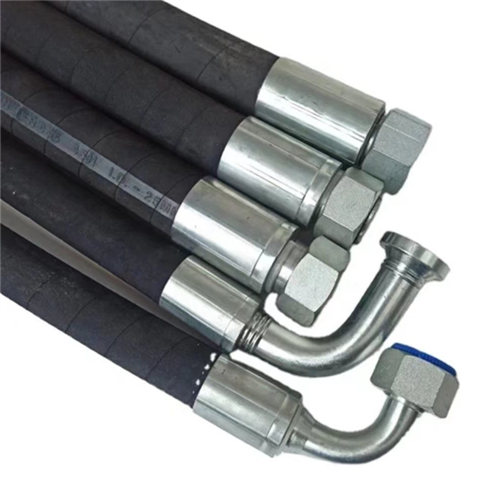
Caterpillar hydraulic hose is a critical component in heavy machinery, engineered for the reliable transmission of fluid power in demanding applications. Occupying a vital position within the fluid power transmission chain, these hoses connect pumps, valves, cylinders, and other hydraulic components, facilitating the operation of construction equipment, agricultural machinery, mining vehicles, and more. Core performance characteristics center on withstanding extreme pressures, resisting abrasion and environmental degradation, and maintaining flexibility over a wide temperature range. Caterpillar hoses are specifically designed to meet the stringent requirements of Caterpillar equipment, often exceeding industry standards in terms of durability and longevity. A key pain point in the industry is premature hose failure due to inadequate material selection, improper installation, and exposure to harsh operating conditions, leading to costly downtime and potential safety hazards. Caterpillar addresses these concerns through rigorous testing, proprietary rubber compounds, and reinforced construction.
Material Science & Manufacturing
Caterpillar hydraulic hoses typically employ a multi-layered construction leveraging diverse material properties. The inner tube is commonly composed of synthetic rubbers such as nitrile (NBR), chloroprene (CR, Neoprene), or ethylene propylene diene monomer (EPDM). NBR provides excellent resistance to petroleum-based hydraulic fluids, while CR offers superior abrasion resistance and weatherability. EPDM is favored for its exceptional heat and ozone resistance. Reinforcement layers are crucial for pressure containment, utilizing high-tensile steel wire (single or multiple spiral plies) or textile braids (aramid, polyester) to provide structural integrity. The outer cover, often made of Chlorinated Polyethylene (CPE) or polyurethane, provides protection against abrasion, oil, chemicals, and UV radiation.
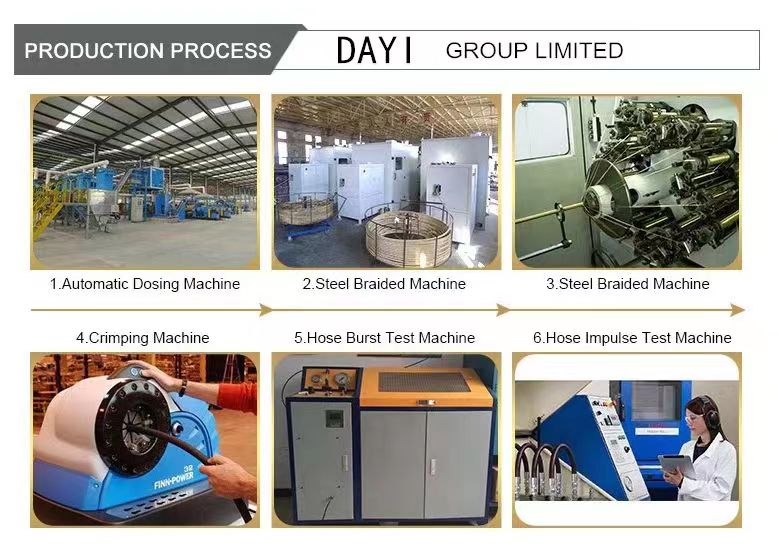
Manufacturing processes involve precise extrusion of the inner tube and outer cover, followed by the insertion and bonding of the reinforcement layers. Steel wire spiral reinforcement utilizes a continuous winding process, ensuring consistent helix angle and pitch for optimal pressure handling. Textile braiding involves interlacing fibers at a specific angle, providing flexibility and burst strength. Vulcanization is a critical step, using heat and pressure to crosslink the rubber compounds, achieving desired elasticity, strength, and resistance to degradation. Key parameter control includes maintaining precise rubber compound formulations, monitoring extrusion temperatures and pressures, controlling reinforcement layer tension, and ensuring proper vulcanization time and temperature. The quality of the bonding between layers is paramount, assessed through adhesion testing to prevent delamination under pressure.
Performance & Engineering
Hydraulic hose performance is dictated by a complex interplay of pressure, temperature, fluid compatibility, and mechanical stress. Force analysis is critical in determining hose wall thickness and reinforcement requirements to withstand maximum working pressure (MWP) and burst pressure. Finite Element Analysis (FEA) is frequently employed to simulate stress distribution under various loading conditions, including internal pressure, bending, and axial tension. Environmental resistance is assessed through accelerated aging tests, exposing hoses to elevated temperatures, UV radiation, ozone, and various chemicals. Caterpillar hoses are engineered to maintain flexibility and prevent kinking at low temperatures, ensuring reliable operation in cold climates. Compliance requirements include adherence to industry standards like SAE J517 (Hydraulic Hose – Performance Characteristics) and ISO 6898 (Rubber hoses for hydraulic applications). Impulse testing simulates the pressure pulsations common in hydraulic systems, evaluating hose fatigue life and preventing catastrophic failure. Furthermore, Caterpillar often specifies proprietary performance criteria exceeding these standards to guarantee long-term reliability in its equipment.
Technical Specifications
| Parameter | Unit | Specification (Typical) | Test Standard |
|---|---|---|---|
| Working Pressure (MWP) | PSI | 3000 - 6000 | SAE J517 |
| Burst Pressure | PSI | 9000 - 18000 | SAE J517 |
| Temperature Range | °F | -40 to +250 | SAE J517 |
| Inner Tube Material | - | NBR, CR, EPDM | ASTM D2000 |
| Reinforcement | - | Steel Wire Spiral / Textile Braid | SAE J517 |
| Outer Cover Material | - | CPE, Polyurethane | ASTM D2000 |
Failure Mode & Maintenance
Common failure modes in caterpillar hydraulic hoses include fatigue cracking due to repeated bending and pressure cycling, abrasion from external contact with machinery components, pinhole leaks caused by corrosion or damage to the inner tube, and burst failures resulting from exceeding the maximum working pressure. Delamination of reinforcement layers can occur due to improper bonding or exposure to aggressive fluids. Oxidation of the rubber compounds leads to hardening and cracking, reducing flexibility and increasing susceptibility to failure. Internal corrosion can occur if incompatible fluids are used or if moisture ingress contaminates the hydraulic system. Regular inspection is crucial, focusing on visual assessment for cracks, abrasions, leaks, and kinks. Proper hose routing, avoiding sharp bends and contact with hot surfaces, is essential. Maintaining clean hydraulic fluid, preventing contamination, and adhering to recommended fluid change intervals minimizes internal corrosion and extends hose life. When replacing hoses, ensure compatibility with the hydraulic fluid and operating conditions. Properly torqued fittings prevent leaks and reduce stress on the hose ends. Consider implementing a hose management program for tracking hose age, usage, and inspection history.
Industry FAQ
Q: What differentiates Caterpillar hydraulic hose from standard aftermarket hoses?
A: Caterpillar hoses are engineered specifically for Caterpillar equipment, utilizing proprietary rubber compounds and reinforcement designs optimized for Caterpillar’s hydraulic systems. They undergo more rigorous testing, exceeding industry standards, and are designed for extended service life in demanding applications. Aftermarket hoses may meet minimum specifications but often lack the durability and performance characteristics necessary for heavy-duty operation in Caterpillar machinery.
Q: How does temperature affect the performance and lifespan of a hydraulic hose?
A: Extreme temperatures, both high and low, can significantly impact hose performance. High temperatures accelerate rubber degradation, reducing elasticity and increasing the risk of cracking. Low temperatures can cause the rubber to harden and lose flexibility, increasing susceptibility to kinking and failure. Caterpillar hoses are designed to maintain flexibility and performance within a wide temperature range, but exceeding specified limits can compromise lifespan.
Q: What is the proper procedure for installing a hydraulic hose?
A: Proper installation is crucial to prevent premature failure. Ensure the hose is routed correctly, avoiding sharp bends and contact with abrasive surfaces. Use properly sized fittings and torque them to the manufacturer’s specifications. Avoid twisting the hose during installation. Clean the hose ends and fittings before assembly to prevent contamination. Consider using a hose guard to provide additional protection.
Q: How do I identify signs of impending hose failure?
A: Regularly inspect hoses for cracks, abrasions, leaks, kinks, and swelling. Look for signs of delamination or separation of layers. Pay attention to any changes in hose flexibility or responsiveness. If any of these signs are observed, replace the hose immediately to prevent catastrophic failure.
Q: What type of hydraulic fluid is compatible with Caterpillar hydraulic hoses?
A: Caterpillar hoses are generally compatible with petroleum-based hydraulic fluids, as well as some synthetic fluids. However, it is essential to verify fluid compatibility with the specific hose material (NBR, CR, EPDM) to prevent degradation. Refer to the Caterpillar Fluid Recommendation Guide or consult with a Caterpillar dealer for detailed information.
Conclusion
Caterpillar hydraulic hose represents a significant advancement in fluid power transmission technology, prioritizing durability, reliability, and performance in demanding applications. The careful selection of materials, meticulous manufacturing processes, and rigorous testing procedures contribute to a product designed to withstand the harsh conditions prevalent in heavy machinery operations. Understanding the material science, potential failure modes, and proper maintenance practices is crucial for maximizing hose lifespan and minimizing downtime.
Looking forward, advancements in hose technology are likely to focus on developing even more durable and chemically resistant materials, incorporating smart sensors for real-time condition monitoring, and optimizing hose designs for reduced weight and improved flexibility. Proactive hose management programs, coupled with ongoing research and development, will continue to drive improvements in hydraulic hose performance and enhance the overall efficiency and reliability of Caterpillar equipment.