
Apr . 01, 2024 17:55 Back to list
cat hydraulic hose Performance Analysis
Introduction
Cat hydraulic hose refers to high-pressure fluid conveyance systems engineered for use in Caterpillar (CAT) heavy equipment and industrial applications. Positioned within the broader fluid power industry, these hoses are critical components in hydraulic machinery, transmitting power via pressurized fluid to actuators and other systems. Their core performance characteristics center on pressure capacity, impulse resistance, temperature tolerance, and abrasion resistance. A key industry pain point revolves around premature hose failure leading to costly downtime, safety risks, and maintenance expenditure. The specialized construction of CAT hoses aims to mitigate these issues through robust material selection and manufacturing processes, often exceeding generic industry standards. Understanding the nuances of these hoses – from material composition to operational limitations – is crucial for ensuring system reliability and longevity.
Material Science & Manufacturing
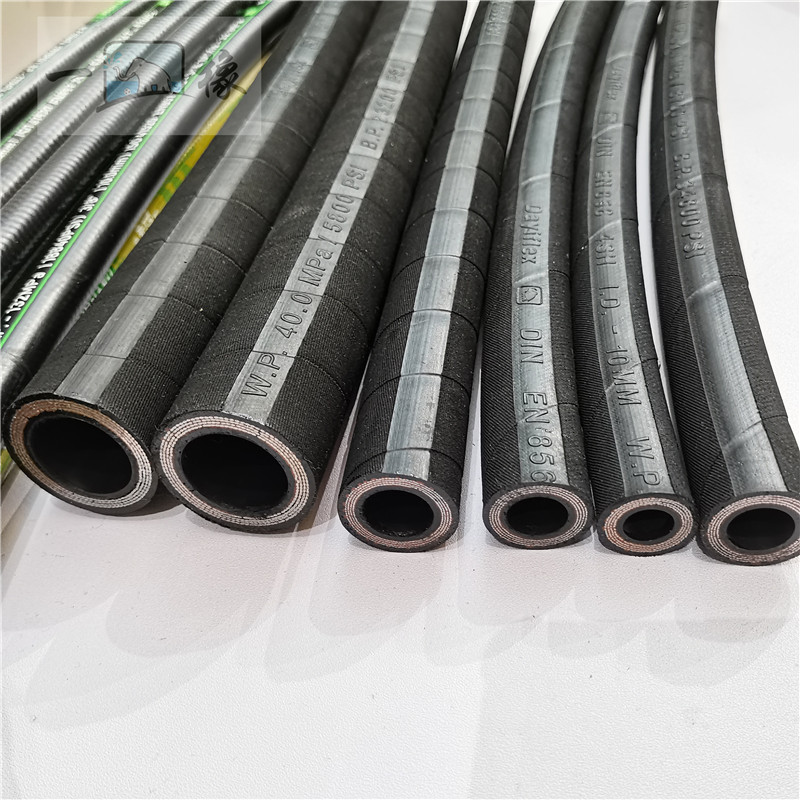
The construction of CAT hydraulic hose typically involves multiple layers, each serving a distinct function. The inner tube, in direct contact with the hydraulic fluid, is commonly composed of synthetic rubbers like nitrile (NBR), chlorinated polyethylene (CPE), or fluoroelastomers (FKM/Viton) depending on fluid compatibility requirements. NBR provides good resistance to petroleum-based fluids at moderate temperatures. CPE excels in resistance to ozone, weathering, and heat. FKM offers superior performance with aggressive fluids and high temperatures, but at a higher cost. The reinforcement layer is critical for withstanding high pressures and is often constructed of multiple spiraled steel wire layers, or a combination of steel wire and textile braiding (typically high-tensile polyester or aramid fibers). The number and configuration of these layers directly influence the hose's working pressure and burst pressure. The outer cover provides environmental protection and abrasion resistance, frequently utilizing synthetic rubbers like chloroprene (CR) or polyurethane (PU). CR offers excellent resistance to oil, weather, and abrasion, while PU delivers superior abrasion and chemical resistance.
Manufacturing processes include extrusion for the inner tube and outer cover, calendering for reinforcement fabric, and spiral winding for the steel wire reinforcement. Precise control of extrusion parameters – temperature, pressure, and screw speed – is vital for ensuring consistent wall thickness and material properties. The winding process requires accurate tension control to maintain the structural integrity of the reinforcement layer. Post-processing includes vulcanization (curing) to crosslink the rubber compounds, enhancing their strength, elasticity, and resistance to degradation. Stringent quality control measures, including dimensional checks, pressure testing, and impulse testing, are implemented throughout the manufacturing process to verify compliance with CAT specifications and relevant industry standards. Further, CAT often utilizes proprietary rubber formulations and reinforcement techniques to enhance performance characteristics.
Performance & Engineering
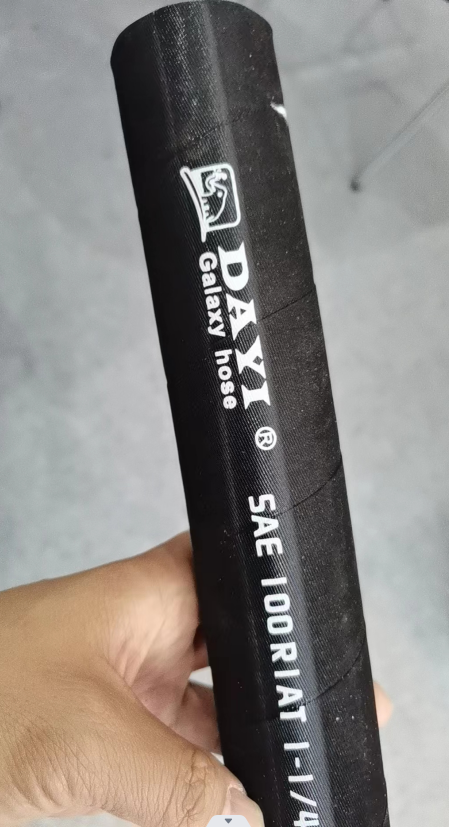
Cat hydraulic hoses are engineered to withstand extreme operating conditions. Force analysis focuses on hoop stress within the hose wall due to internal pressure. The reinforcement layers are designed to resist these stresses, preventing expansion and potential rupture. Impulse pressures – rapid pressure fluctuations caused by pump pulsations or valve switching – are particularly damaging and require hoses with high fatigue resistance. Engineering considerations include selecting appropriate reinforcement materials and configurations to dampen these impulses. Environmental resistance is a critical design factor. Exposure to extreme temperatures (both high and low), UV radiation, ozone, and corrosive fluids can degrade the rubber compounds and reduce hose life. The outer cover materials are chosen for their resistance to these elements. CAT hoses are often subjected to rigorous testing to simulate real-world operating conditions, including pressure cycling, temperature cycling, and fluid compatibility testing. Compliance with industry standards, such as SAE J517 (hydraulic hose construction) and ISO 6898 (hydraulic fluids), is mandatory. Furthermore, CAT hoses may meet specific internal performance criteria exceeding these standards. Proper hose assembly techniques – selecting the correct fittings, ensuring proper crimp size, and avoiding twisting or kinking – are essential for maintaining optimal performance and preventing premature failure.
Technical Specifications
| Parameter | Unit | Typical Value (CAT J1926 Hose) | Test Standard |
|---|---|---|---|
| Working Pressure | psi | 3000 - 6000 | SAE J517 |
| Burst Pressure | psi | 9000 - 18000 | SAE J517 |
| Temperature Range | °F | -40 to +250 | SAE J517 |
| Inner Tube Material | - | NBR, CPE, FKM | CAT Specification |
| Reinforcement Material | - | Steel Wire (Spiral/Braided) | CAT Specification |
| Outer Cover Material | - | CR, PU | CAT Specification |
Failure Mode & Maintenance
Common failure modes in CAT hydraulic hoses include fatigue cracking (due to repeated pressure cycling), pinhole leaks (caused by abrasion or corrosion), blowouts (resulting from exceeding the working pressure), and hose separation (failure of the bonding between layers). Fatigue cracking typically initiates at the inner tube/reinforcement interface and propagates through the wall. Pinholes are often caused by external abrasion or corrosion from exposure to harsh environments. Blowouts are a catastrophic failure mode, often caused by damaged reinforcement layers. Hose separation occurs when the bonding agent between layers degrades, leading to delamination. Oxidation of the rubber compounds due to exposure to heat and oxygen can also contribute to material degradation and reduced hose life.
Preventative maintenance is crucial for extending hose life. Regular visual inspections should be conducted to identify signs of damage, such as cracks, abrasions, and leaks. Hoses should be replaced if any damage is detected. Proper hose routing is essential to avoid kinking, twisting, and abrasion. Ensure adequate clearance between the hose and moving parts. Fluid contamination can accelerate hose degradation, so regular fluid filtration is recommended. Use only CAT-approved fittings and assembly techniques. Periodically check the hose connections for tightness. When replacing hoses, always use hoses with the correct pressure rating and temperature range for the application. Consider implementing a hose management program to track hose life and schedule preventative maintenance.
Industry FAQ
Q: What is the primary advantage of using CAT-specified hydraulic hoses over generic aftermarket alternatives?
A: CAT hydraulic hoses are engineered to meet the specific demands of Caterpillar equipment, offering superior durability, performance, and compatibility compared to generic hoses. They typically feature enhanced material formulations, tighter manufacturing tolerances, and undergo more rigorous testing, resulting in longer service life and reduced downtime.
Q: How does the steel wire reinforcement impact the hose's performance under high pressure?
A: Steel wire reinforcement provides the primary structural support to resist hoop stress induced by internal pressure. The number and configuration of the steel wire layers directly determine the hose's working pressure and burst pressure capabilities. Spiral reinforcement offers higher pressure ratings and better flexibility compared to braided reinforcement.
Q: What are the key factors to consider when selecting a hose with the appropriate fluid compatibility?
A: The inner tube material must be compatible with the hydraulic fluid being used. Nitrile (NBR) is suitable for petroleum-based fluids, while CPE offers better resistance to ozone and weathering. Fluoroelastomers (FKM/Viton) are ideal for aggressive fluids like phosphate esters. Refer to fluid compatibility charts and manufacturer recommendations.
Q: What are the common causes of premature hose failure, and how can they be mitigated?
A: Common causes include exceeding pressure limits, fatigue cracking from impulse pressures, abrasion, kinking, and fluid contamination. Mitigation strategies include proper hose selection, regular inspections, correct installation techniques, fluid filtration, and implementing a hose management program.
Q: What role does the outer cover play in the longevity of a hydraulic hose?
A: The outer cover provides critical environmental protection against abrasion, ozone, UV radiation, and chemical exposure. Selecting a cover material appropriate for the operating environment – such as polyurethane (PU) for high abrasion resistance or chloroprene (CR) for general-purpose applications – significantly extends hose life.
Conclusion
Cat hydraulic hose represents a critical component in the reliable operation of Caterpillar machinery. Its complex construction, incorporating specialized materials and stringent manufacturing controls, directly addresses the industry's pain points of premature failure and costly downtime. A deep understanding of the hose's material science, performance characteristics, and potential failure modes is paramount for effective maintenance and optimal system performance.
Future developments in hydraulic hose technology are likely to focus on advanced materials, improved manufacturing processes, and enhanced monitoring capabilities. The integration of sensors to detect early signs of degradation, coupled with predictive maintenance algorithms, will further enhance hose reliability and reduce lifecycle costs. Continued adherence to rigorous industry standards, alongside CAT’s proprietary specifications, will remain essential for ensuring the long-term performance and safety of these critical fluid conveyance systems.