
Apr . 01, 2024 17:55 Back to list
braided hydraulic hose Performance and Engineering
Introduction
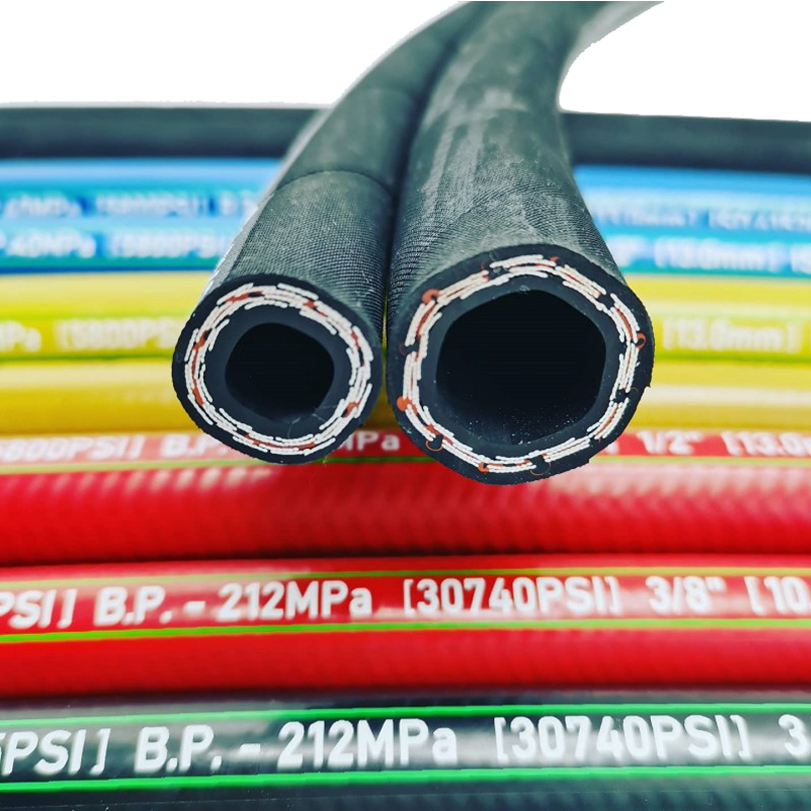
Braided hydraulic hose is a reinforced flexible conduit designed to convey hydraulic fluid under substantial pressure. Positioned as a critical component within hydraulic systems across industries – including construction, agriculture, manufacturing, and aerospace – its function is to transmit power efficiently and reliably. Unlike rigid piping, braided hose allows for movement and vibration absorption, reducing stress on system components. Core performance characteristics are defined by working pressure, burst pressure, temperature range, fluid compatibility, and kink radius. The hose’s construction, specifically the braid material and density, dictates these key parameters, representing a significant engineering trade-off between flexibility and strength. Industry pain points center on maintaining consistent quality in braid coverage, preventing premature failure due to corrosion, and achieving dimensional stability under cyclical pressure loading.
Material Science & Manufacturing
The core components of braided hydraulic hose are the inner tube, reinforcement braid, and outer cover. Inner tubes are commonly constructed from synthetic rubbers such as nitrile (NBR), ethylene propylene diene monomer (EPDM), or fluorocarbon (FKM/Viton), selected for compatibility with the intended hydraulic fluid. NBR provides excellent resistance to petroleum-based fluids, EPDM excels with phosphate ester fluids, and FKM offers superior performance in extreme temperatures and aggressive chemicals. Reinforcement braids are typically steel wire, stainless steel wire, or aramid fiber. Steel provides high strength and cost-effectiveness, stainless steel offers corrosion resistance, and aramid delivers a lightweight, high-strength solution but is susceptible to damage from heat and abrasion. The outer cover is typically a synthetic rubber blend (often SBR or CR) offering abrasion, ozone, and weathering resistance.
Manufacturing begins with extruding the inner tube to the specified dimensions. The reinforcement braid is then applied using a helical winding process. Precise tension control during braiding is paramount; insufficient tension results in reduced burst strength, while excessive tension can lead to hose kinking and dimensional instability. Following braiding, the outer cover is extruded, encapsulating the reinforcement. Critical process parameters include extrusion temperature, screw speed, and die pressure. Post-extrusion, hoses undergo rigorous testing, including hydrostatic testing (to verify burst pressure) and impulse testing (to assess fatigue resistance). Braid coverage percentage is a crucial quality control metric, typically measured via ultrasonic methods. Correct curing of the rubber compounds is critical for long-term performance and resistance to degradation. Variations in curing time and temperature significantly affect the material properties and ultimately the hose's lifespan.
Performance & Engineering
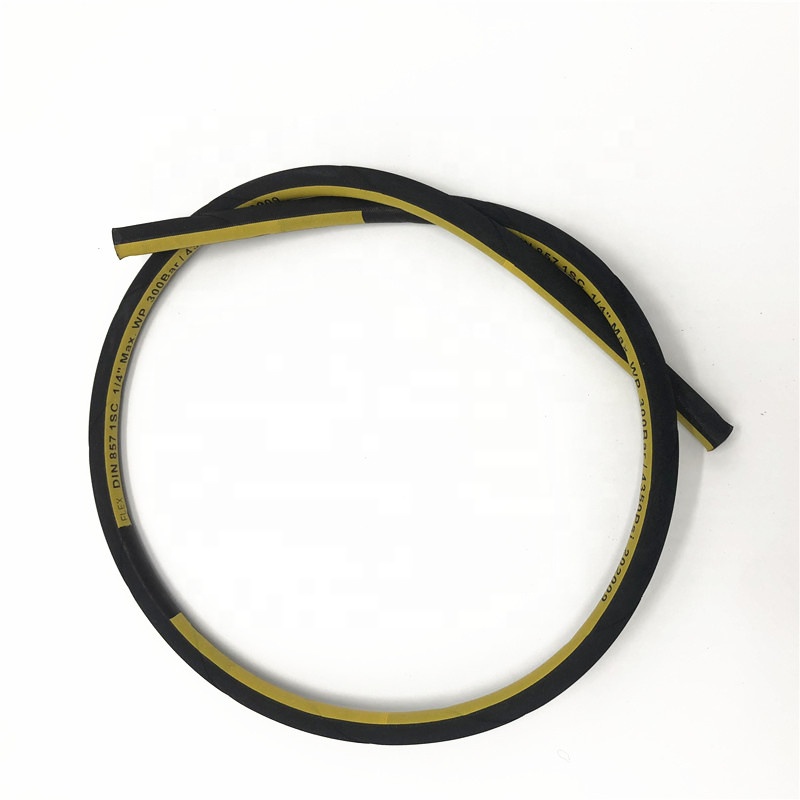
The performance of braided hydraulic hose is dictated by several engineering principles. Force analysis centers on the hoop stress within the inner tube under pressure, counteracted by the tensile strength of the reinforcement braid. The braid’s geometry (number of wires, braid angle) directly influences its ability to withstand internal pressure. Environmental resistance is crucial; hoses must maintain flexibility and pressure-holding capacity across a specified temperature range. Prolonged exposure to UV radiation, ozone, and extreme temperatures can lead to rubber degradation and loss of elasticity. Compliance requirements are stringent, varying by region and application. Standards like SAE J517 and EN 853 dictate pressure ratings, testing procedures, and material specifications. Functional implementation necessitates careful consideration of hose routing, bend radius, and fitting selection. Sharp bends can create stress concentrations, leading to premature failure. Fittings must be properly crimped to ensure a leak-proof seal and maintain the hose’s pressure rating.
Fatigue analysis is critical, particularly in applications involving cyclical pressure loading. Each pressure cycle induces stress in the hose materials, potentially leading to fatigue cracking over time. The number of allowable cycles is determined through impulse testing, where the hose is subjected to repeated pressure surges. Corrosion resistance is a significant concern, particularly in environments exposed to salt spray or corrosive chemicals. Selecting appropriate braid materials (stainless steel) and outer cover formulations is vital for mitigating corrosion. Furthermore, proper hose handling and storage are essential to prevent damage and extend service life. Avoiding kinking, abrasion, and exposure to extreme temperatures will significantly improve reliability.
Technical Specifications
| Parameter | SAE J517 R1AT | EN 853 1SN | SAE J517 R2AT |
|---|---|---|---|
| Working Pressure (PSI) | Up to 1500 | Up to 250 bar (3625 PSI) | Up to 2000 |
| Burst Pressure (PSI) | 3000 (2x Working) | 750 bar (10875 PSI) | 4000 (2x Working) |
| Temperature Range (°F) | -40 to +212 | -40 to +100 | -40 to +250 |
| Reinforcement | Single Steel Wire Braid | Single Steel Wire Braid | Double Steel Wire Braid |
| Inner Tube Material | NBR (Nitrile Rubber) | NBR (Nitrile Rubber) | NBR/SAE J200 |
| Outer Cover Material | Synthetic Rubber | Synthetic Rubber | Synthetic Rubber |
Failure Mode & Maintenance
Common failure modes in braided hydraulic hose include fatigue cracking, particularly at the crimp connections and braid crossover points. Repeated pressure cycling induces stress, leading to microscopic cracks that propagate over time. Another failure mode is abrasion of the outer cover, exposing the reinforcement braid to corrosion. Internal degradation of the inner tube can occur due to incompatible fluids or excessive temperatures, leading to swelling, softening, and eventual rupture. Kinking, caused by exceeding the minimum bend radius, can also lead to localized stress concentrations and failure. Oxidation of the rubber compounds, exacerbated by exposure to ozone and UV radiation, results in hardening and cracking. Delamination between the inner tube, braid, and outer cover can also occur due to inadequate bonding during manufacturing or exposure to harsh chemicals.
Preventive maintenance is crucial for extending hose lifespan. Regular visual inspections should be conducted to check for abrasion, cracking, kinking, and leaks. Hose assemblies should be replaced if any signs of damage are observed. Proper hose routing, ensuring adequate clearance from moving parts and sharp edges, is essential. Fluid compatibility must be verified to prevent internal degradation. Periodically check crimp connections for tightness and signs of corrosion. Avoid exceeding the hose’s pressure and temperature ratings. When storing hoses, protect them from sunlight, ozone, and extreme temperatures. Flushing the hydraulic system regularly to remove contaminants can also help prolong hose life. Implementing a hose management program, tracking hose age and usage, and establishing a replacement schedule can significantly reduce the risk of catastrophic failure.
Industry FAQ
Q: What is the impact of braid angle on hose performance?
A: The braid angle directly influences the hose’s ability to withstand internal pressure and resist elongation. A smaller braid angle provides greater resistance to axial stretching but lower resistance to hoop stress. A larger angle offers improved hoop strength but is more prone to axial deformation. Optimizing the braid angle is a critical engineering trade-off based on the specific application requirements.
Q: How does fluid compatibility affect hose lifespan?
A: Incompatible fluids can cause the inner tube to swell, soften, or degrade, leading to premature failure. Selecting an inner tube material specifically designed for the intended fluid is paramount. For example, using petroleum-based fluids in an EPDM tube will result in rapid deterioration.
Q: What is the significance of impulse testing?
A: Impulse testing simulates the effects of pressure surges and pulsations on the hose. This testing method assesses the hose’s fatigue resistance and identifies potential weak points. The number of allowable impulse cycles is a key performance metric.
Q: What are the best practices for hose fitting installation?
A: Proper crimping is essential to ensure a leak-proof seal and maintain the hose’s pressure rating. The crimp should be centered on the hose and fitting and should not damage the reinforcement braid. Using calibrated crimping equipment and following the fitting manufacturer’s instructions are crucial.
Q: How does temperature affect the performance of braided hydraulic hose?
A: Extreme temperatures can significantly impact hose performance. High temperatures can cause rubber compounds to degrade and lose elasticity, while low temperatures can reduce flexibility and increase the risk of cracking. Selecting hoses with temperature ratings appropriate for the operating environment is essential.
Conclusion
Braided hydraulic hose remains a cornerstone of modern hydraulic systems, providing a flexible and reliable means of fluid power transmission. Understanding the interplay between material science, manufacturing processes, and engineering principles is critical for selecting the optimal hose for a given application. The careful consideration of factors such as pressure rating, temperature range, fluid compatibility, and environmental conditions ensures long-term performance and minimizes the risk of failure.
Looking ahead, advancements in materials technology, such as thermoplastic hose reinforcement and novel rubber compounds, promise to further enhance the performance and durability of braided hydraulic hose. Furthermore, the integration of sensor technology into hose assemblies will enable real-time monitoring of pressure, temperature, and strain, facilitating predictive maintenance and improving system reliability. A proactive approach to hose management, coupled with ongoing innovation in materials and design, will continue to drive improvements in this essential component of industrial machinery.