
Apr . 01, 2024 17:55 Back to list
blue hydraulic hose Performance Analysis
Introduction
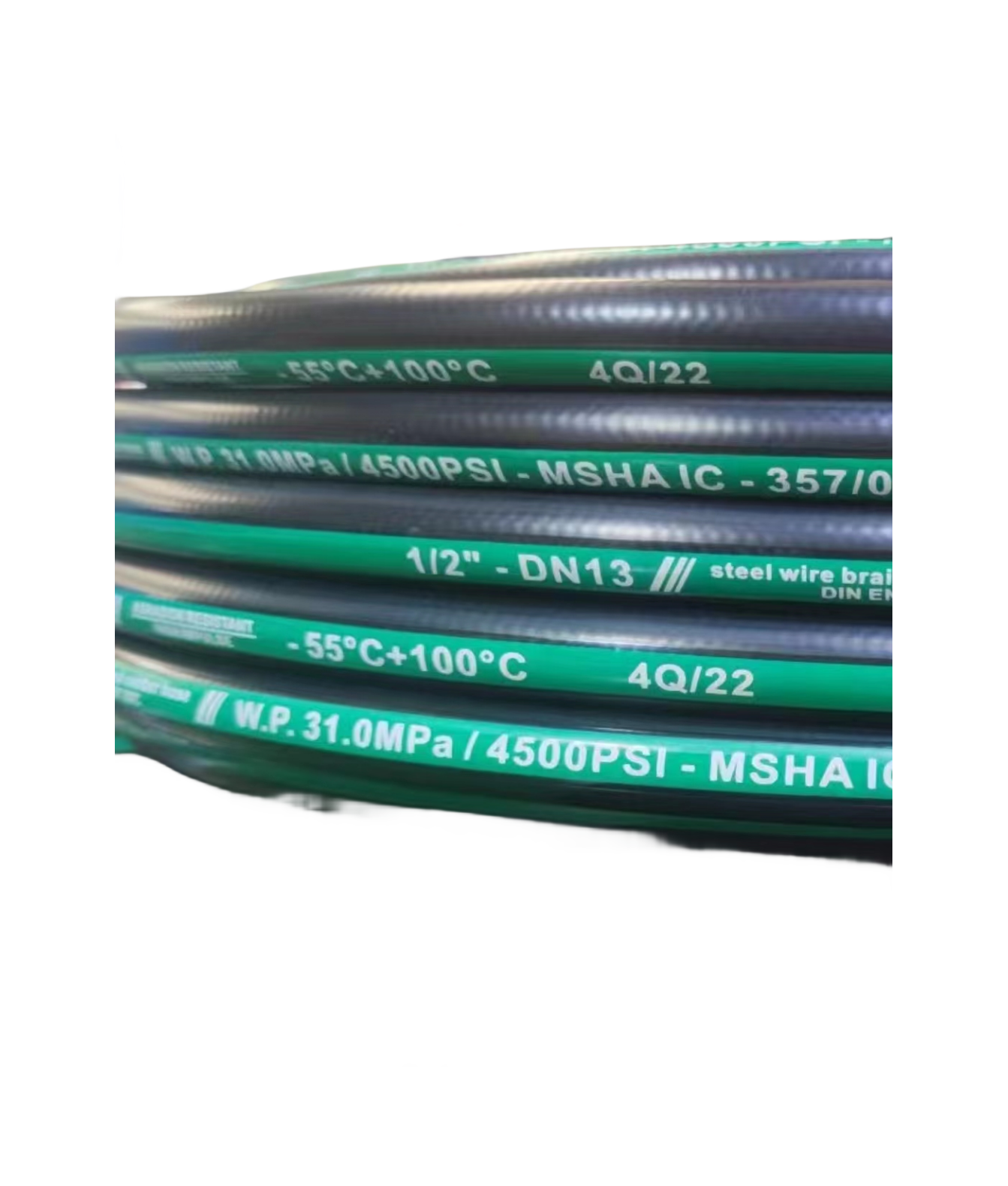
Blue hydraulic hose is a reinforced polymer extrusion designed to convey pressurized hydraulic fluid in a wide range of industrial and mobile applications. Positioned within the fluid power transmission segment, it functions as a critical component enabling force multiplication and control in systems such as construction equipment, agricultural machinery, and industrial presses. Its core performance characteristics center around pressure capacity, flexibility, chemical compatibility with various hydraulic fluids, and resistance to abrasion and temperature extremes. Unlike thermoplastic hose, blue hydraulic hose typically utilizes synthetic rubber compounds, offering superior performance in demanding environments. The "blue" color coding is commonly used to denote specific pressure ratings and compatibility with particular fluid types, though standards may vary regionally. Its reliability directly impacts the operational safety and efficiency of connected machinery, making stringent quality control and adherence to industry standards paramount.
Material Science & Manufacturing
The primary material for blue hydraulic hose is typically a synthetic rubber compound, most commonly nitrile butadiene rubber (NBR), also known as Buna-N. NBR offers excellent resistance to petroleum-based hydraulic fluids, abrasion, and moderate temperatures. Alternative materials include chloroprene rubber (CR) for improved ozone and weathering resistance, and ethylene propylene diene monomer (EPDM) for high-temperature applications and compatibility with phosphate ester fluids. The rubber compound is reinforced with multiple layers of high-tensile strength braid, typically constructed from steel wire or synthetic fiber (e.g., polyester, aramid). The number and configuration of these reinforcement layers dictate the hose's pressure rating and burst strength.
Manufacturing begins with the compounding of the rubber formulation, meticulously controlled to achieve desired physical properties like hardness (measured in Shore A), tensile strength, and elongation at break. The compound is then extruded through a die to form the inner tube. Following extrusion, the reinforcement braid is applied helically or spirally around the inner tube, often utilizing automated braiding machines. A bonding agent is applied between the rubber and reinforcement to ensure adhesion and prevent separation under pressure. Finally, an outer cover layer, also composed of synthetic rubber, is extruded over the braid to provide abrasion resistance, weather protection, and chemical resistance. Critical parameters during manufacturing include die temperature, extrusion speed, braid tension, and curing time/temperature. Improper control of these parameters can lead to defects such as voids, inconsistent wall thickness, and inadequate bond strength, compromising hose performance and lifespan. Post-curing quality checks involve hydrostatic pressure testing, dimensional verification, and visual inspection for surface flaws.
Performance & Engineering
The performance of blue hydraulic hose is governed by several critical engineering principles. The primary consideration is pressure containment. Hose wall thickness and reinforcement configuration directly impact the burst pressure, working pressure (a fraction of burst pressure, determined by a safety factor), and fatigue life. Finite element analysis (FEA) is commonly employed during design to optimize reinforcement placement and predict stress distribution under various loading conditions. Flexibility is another crucial performance characteristic. Bend radius is specified to prevent kinking and damage to the reinforcement layers during operation. Excessive bending can lead to localized stress concentrations and eventual failure.
Environmental resistance is paramount. Exposure to extreme temperatures, ozone, UV radiation, and corrosive fluids can degrade the rubber compound, reducing its elasticity and increasing the risk of cracking. Hose materials must be carefully selected based on the intended operating environment. Compliance requirements, such as those stipulated by SAE International (SAE J517), define performance standards for hydraulic hose, including pressure ratings, temperature ranges, and compatibility with common hydraulic fluids. Furthermore, the hose must be compatible with the fittings used in the hydraulic system to ensure a leak-free connection. Thread type, size, and material compatibility are all critical factors. Failure to adhere to these standards can result in system malfunction, environmental hazards, and potential injury.
Technical Specifications
| Parameter | Unit | Typical Value (NBR, Steel Wire Reinforced) | Testing Standard |
|---|---|---|---|
| Working Pressure | MPa | 20 | SAE J517 |
| Burst Pressure | MPa | 80 | SAE J517 |
| Temperature Range | °C | -40 to +100 | SAE J517 |
| Inner Tube Material | - | Nitrile Butadiene Rubber (NBR) | ASTM D2000 |
| Reinforcement | - | Steel Wire Braid (Multiple Layers) | ASTM E8 |
| Outer Cover Material | - | Synthetic Rubber (Typically NBR or CR) | ASTM D2000 |
Failure Mode & Maintenance
Common failure modes for blue hydraulic hose include fatigue cracking, caused by repeated flexing and pressure cycling; abrasion damage, resulting from contact with abrasive surfaces; and chemical degradation, triggered by exposure to incompatible fluids. Internal corrosion can also occur if the hose is exposed to moisture and oxygen, leading to weakening of the reinforcement. Pinholes in the inner tube can result in fluid leakage and system failure. Fatigue cracking typically initiates at points of high stress concentration, such as near fittings or at sharp bends. Delamination, the separation of the rubber from the reinforcement, is another common failure mechanism, often caused by inadequate bonding or exposure to extreme temperatures. Oxidation of the rubber compound can lead to hardening and cracking, reducing the hose's flexibility and pressure capacity.
Preventive maintenance is crucial for maximizing hose lifespan and ensuring system reliability. Regular visual inspections should be conducted to identify signs of wear, such as cracks, abrasions, and swelling. Hose routing should be carefully planned to avoid sharp bends, contact with hot surfaces, and exposure to corrosive chemicals. Proper fitting selection and installation are essential to prevent leaks and premature failure. Hydraulic fluid should be regularly analyzed to ensure its cleanliness and compatibility with the hose material. Damaged hoses should be replaced immediately. When storing hoses, they should be coiled loosely and protected from sunlight, ozone, and extreme temperatures. Following manufacturer's recommendations for hose handling and maintenance is paramount to ensuring long-term performance.
Industry FAQ
Q: What is the significance of the color coding in hydraulic hoses, specifically blue?
A: While not universally standardized, blue hydraulic hose typically indicates a specific pressure rating and compatibility with general-purpose petroleum-based hydraulic fluids. However, color coding conventions vary by manufacturer and region. It’s crucial to always verify the hose’s specifications and compatibility with the hydraulic fluid being used, rather than relying solely on color.
Q: How does temperature affect the performance and lifespan of a hydraulic hose?
A: Extreme temperatures, both high and low, can significantly degrade the rubber compound in hydraulic hoses. High temperatures can cause hardening, cracking, and reduced flexibility, while low temperatures can lead to brittleness and increased susceptibility to cracking. Operating outside the specified temperature range can drastically reduce the hose's lifespan and increase the risk of failure.
Q: What are the key differences between steel wire reinforced and synthetic fiber reinforced hydraulic hoses?
A: Steel wire reinforcement offers higher pressure ratings and superior abrasion resistance compared to synthetic fiber reinforcement. However, steel wire hoses are generally less flexible and more susceptible to corrosion. Synthetic fiber reinforced hoses are lighter, more flexible, and resistant to corrosion, but typically have lower pressure ratings.
Q: What is the recommended procedure for inspecting a hydraulic hose for potential failures?
A: A thorough inspection should include a visual check for cracks, abrasions, bulges, kinks, and leaks. Pay close attention to the areas near fittings and at points of bending. Check for any signs of oil saturation, which can indicate internal damage. Gently flex the hose to check for stiffness or cracking. If any defects are identified, the hose should be replaced immediately.
Q: What is the role of fitting selection in the overall reliability of a hydraulic hose assembly?
A: Proper fitting selection is paramount. The fitting must be compatible with the hose material, pressure rating, and hydraulic fluid. Incorrectly sized or incompatible fittings can lead to leaks, premature failure, and potential safety hazards. Fittings should be crimped onto the hose using the correct dies and procedures to ensure a secure and leak-proof connection.
Conclusion
Blue hydraulic hose serves as a fundamental component in numerous hydraulic systems, demanding careful material selection, precise manufacturing control, and diligent maintenance. The interplay between rubber compound properties, reinforcement configurations, and environmental factors dictates its performance and longevity. Understanding these nuances is essential for engineers and procurement professionals alike to ensure safe, reliable, and efficient operation of hydraulic machinery.
As hydraulic systems evolve, driven by demands for increased efficiency and reduced environmental impact, the development of advanced hose materials and manufacturing techniques will continue. Future innovations will likely focus on enhancing chemical resistance, improving high-temperature performance, and developing more sustainable hose solutions. A continued focus on adherence to international standards and best practices will remain critical for maintaining the integrity and safety of hydraulic fluid power systems.