
Apr . 01, 2024 17:55 Back to list
blue high pressure hydraulic hose Performance Analysis
Introduction
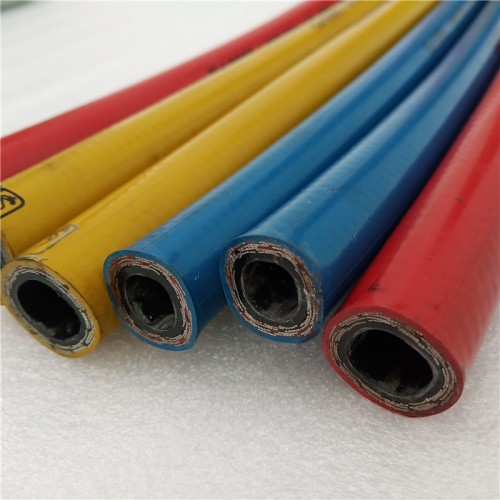
Blue high pressure hydraulic hose is a critical component in fluid power systems across numerous industries, including construction, agriculture, manufacturing, and aerospace. These hoses are engineered to safely and efficiently transmit hydraulic fluid under high pressure, enabling the operation of heavy machinery and critical equipment. Unlike standard hoses, high-pressure variants utilize reinforced construction to withstand demanding operational conditions. The 'blue' color coding typically indicates a specific pressure rating and fluid compatibility, often denoting compatibility with petroleum-based hydraulic fluids. The industry faces persistent challenges related to hose longevity, leak prevention, and maintaining operational safety within increasingly stringent regulatory frameworks. This guide provides a comprehensive technical overview of blue high-pressure hydraulic hose, covering material science, manufacturing processes, performance characteristics, failure modes, and relevant industry standards. Understanding these aspects is paramount for informed procurement, reliable operation, and proactive maintenance.
Material Science & Manufacturing
The construction of a blue high-pressure hydraulic hose relies on a layered composition, each component contributing to overall performance and durability. The innermost layer, the tube, is typically constructed from a synthetic rubber compound like nitrile rubber (NBR) or chlorinated polyethylene (CPE), chosen for their compatibility with hydraulic fluids and resistance to degradation. NBR offers excellent resistance to petroleum-based fluids, while CPE provides superior resistance to heat and ozone. The reinforcement layer is crucial for withstanding high pressures. It often comprises multiple layers of high-tensile steel wire, spirally wound or braided, depending on the desired pressure rating. The number of layers and the wire diameter directly impact the hose's burst pressure. A synthetic rubber compound, frequently a blend of SBR (styrene-butadiene rubber) and NBR, serves as a bonding agent between the tube and the reinforcement, ensuring structural integrity. The outer cover is usually made of a weather-resistant synthetic rubber like polyurethane or a modified SBR blend. This provides abrasion resistance, protection against UV exposure, and resistance to oil and chemicals. Manufacturing involves several key processes: extrusion for the tube and cover, calendering for rubber sheets used in bonding, and precisely controlled winding or braiding of the steel wire reinforcement. Post-curing is vital to develop the rubber's elasticity and strength, using a process carefully monitored for temperature and time to achieve optimal cross-linking of the polymer chains. Quality control throughout the manufacturing process, including pressure testing to destruction, is paramount to ensure adherence to specifications.
Performance & Engineering
The performance of blue high-pressure hydraulic hose is dictated by several critical engineering parameters. Burst pressure, measured in PSI (pounds per square inch) or MPa (megapascals), is the maximum pressure the hose can withstand before failure. Working pressure, typically 50-75% of the burst pressure, represents the safe operating limit. Impulse pressure, defined as the ability to withstand repeated pressure surges, is vital in applications with dynamic loads, such as hydraulic hammers. Fatigue life, the number of pressure cycles the hose can endure before failure, is directly related to the reinforcement layer and the hose's overall construction. Temperature range is another critical consideration. Hydraulic fluids and hoses exhibit viscosity changes with temperature, influencing flow rates and pressure drops. Hose flexibility, often assessed by bend radius, impacts ease of installation and reduces stress concentrations during operation. Environmental resistance, including resistance to ozone, UV radiation, and chemical exposure, determines the hose’s suitability for outdoor applications. Finite Element Analysis (FEA) is frequently employed during the design phase to optimize hose geometry and reinforcement layering, ensuring sufficient safety margins and minimizing weight. Compliance with industry standards, such as SAE J517, dictates minimum performance requirements and testing protocols.
Technical Specifications
| Parameter | Unit | Typical Value (SAE 100R2AT Equivalent) | Testing Standard |
|---|---|---|---|
| Working Pressure | PSI | 2220 | SAE J517 |
| Burst Pressure | PSI | 6660 | SAE J517 |
| Temperature Range | °F | -40 to +212 | SAE J517 |
| Reinforcement Type | - | Two Steel Wire Braid | SAE J517 |
| Tube Material | - | Synthetic Rubber (NBR) | SAE J517 |
| Cover Material | - | Synthetic Rubber (SBR) | SAE J517 |
Failure Mode & Maintenance
Blue high-pressure hydraulic hoses are susceptible to various failure modes. Fatigue cracking, initiated by repeated flexing and pressure cycling, often originates at the hose ends or around fittings. Abrasion, caused by external contact with surrounding components, can wear through the outer cover, exposing the reinforcement layer and leading to corrosion. Pinholes, small leaks in the tube, can result from internal corrosion or damage from incompatible fluids. Blowouts, a catastrophic failure resulting from exceeding the working pressure, are typically caused by reinforcement layer failure. Twisting and kinking can create stress concentrations, accelerating fatigue and causing localized damage. Proper maintenance is crucial to extend hose life and prevent failures. This includes regular visual inspections for signs of abrasion, cracking, or swelling. Checking fittings for leaks and ensuring proper torque are vital. Maintaining clean hydraulic fluid and using appropriate fluid filters prevents internal contamination and corrosion. Avoiding sharp bends and excessive twisting during installation minimizes stress. Replacing hoses on a predetermined schedule, based on operational conditions and manufacturer recommendations, is a proactive approach to prevent unexpected failures. Following proper hose assembly procedures, utilizing certified crimping equipment, and ensuring compatibility between hose, fittings, and fluid are all essential.
Industry FAQ
Q: What is the significance of the blue color coding in hydraulic hoses?
A: The blue color coding typically signifies compatibility with petroleum-based hydraulic fluids and a specific pressure rating, often falling within the range suitable for moderate to high-pressure applications. It's important to refer to the manufacturer's specifications to confirm exact compatibility and pressure limits.
Q: How does temperature affect the performance of a high-pressure hydraulic hose?
A: Temperature affects fluid viscosity and hose material properties. High temperatures can reduce hose strength and increase the risk of degradation, while low temperatures can increase fluid viscosity and reduce flexibility. Exceeding the specified temperature range can lead to premature failure.
Q: What are the critical factors to consider when selecting fittings for hydraulic hoses?
A: Compatibility with the hose material and the hydraulic fluid is paramount. Fittings must be rated for the hose's working pressure and constructed from materials resistant to corrosion. Proper crimping is essential to ensure a leak-proof connection and prevent premature failure.
Q: How can I identify signs of potential hose failure before a catastrophic event?
A: Regularly inspect hoses for cracks, abrasions, swelling, leaks around fittings, and evidence of twisting or kinking. Listen for unusual noises during operation, which may indicate internal damage. Any of these signs warrant immediate investigation and potential hose replacement.
Q: What is the impact of improper hose routing on hose lifespan?
A: Improper routing, including sharp bends, excessive twisting, and contact with hot surfaces or abrasive materials, significantly reduces hose lifespan. Proper routing minimizes stress concentrations and protects the hose from external damage.
Conclusion
Blue high-pressure hydraulic hose remains a foundational component in countless industrial applications, demanding a thorough understanding of its material properties, manufacturing intricacies, and operational limitations. Proper selection, installation, and maintenance are critical to ensuring safe and reliable performance. Failure to adhere to these principles can result in costly downtime, environmental hazards, and potential safety risks.
Future developments in hydraulic hose technology are likely to focus on lightweight materials, improved abrasion resistance, and enhanced sensor integration for real-time monitoring of hose condition. The increasing demand for more efficient and sustainable hydraulic systems will also drive innovation in hose design and material selection, leading to longer-lasting, more reliable, and environmentally friendly solutions.