
Apr . 01, 2024 17:55 Back to list
black hydraulic hose Performance Analysis
Introduction
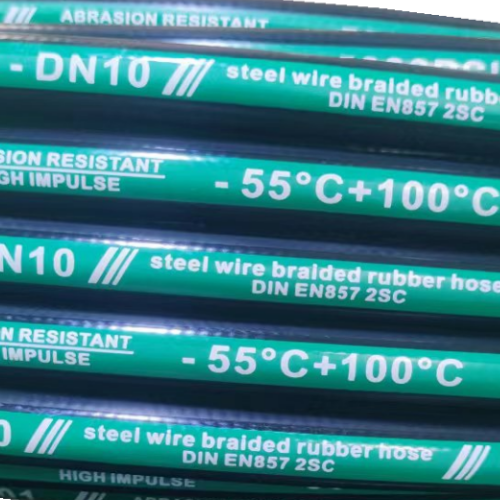
Black hydraulic hose is a reinforced flexible assembly designed to convey pressurized fluids – typically hydraulic oil – in industrial and mobile hydraulic systems. Its technical position within the fluid power industry chain is critical; it forms the transmission pathway between pumps, valves, actuators, and other hydraulic components. Core performance characteristics center around pressure rating, burst strength, temperature resistance, and fluid compatibility. The selection of appropriate hydraulic hose is paramount to system reliability and safety. Unlike rigid piping, hose provides flexibility and absorbs vibrations, reducing stress on system components. Modern hydraulic hoses commonly utilize synthetic rubber compounds reinforced with multiple layers of high-tensile strength steel wire, textile braids, or a combination thereof. A key industry pain point revolves around premature hose failure due to improper specification, installation, or maintenance, leading to costly downtime and potential safety hazards.
Material Science & Manufacturing
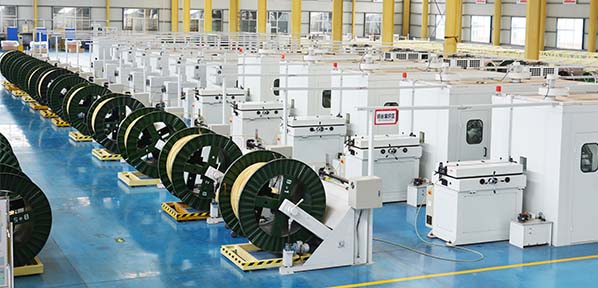
The primary material for black hydraulic hose is typically a synthetic rubber compound, most commonly nitrile rubber (NBR) due to its excellent resistance to petroleum-based hydraulic fluids. NBR exhibits good abrasion resistance and temperature stability, typically operating effectively between -40°C and +100°C. However, for specialized applications requiring broader temperature ranges or compatibility with aggressive fluids (e.g., phosphate ester fluids), alternative rubber compounds such as EPDM (ethylene propylene diene monomer) or fluorocarbon (FKM, Viton) are employed. The reinforcement layer is crucial to pressure containment. Single-wire braid reinforcement, constructed from high-tensile steel wire, is common for moderate pressure applications. Spiral-wound reinforcement, utilizing multiple layers of spirally wound steel wire, offers significantly higher pressure capacity. Textile braid reinforcement, often employing polyester or nylon, provides moderate strength and flexibility. Manufacturing involves several key processes. The inner tube is extruded, followed by the application of reinforcement layers – typically through a winding or braiding process. A cover layer, again extruded from synthetic rubber, provides protection against abrasion, weathering, and chemical exposure. Curing, a vulcanization process, chemically cross-links the rubber compounds, imparting elasticity and durability. Critical parameter control during extrusion focuses on wall thickness consistency and dimensional accuracy. Reinforcement layer tension and winding angle are meticulously controlled to ensure uniform pressure distribution. Post-curing inspection includes burst pressure testing, dimensional verification, and visual defect assessment.
Performance & Engineering
Hydraulic hose performance is governed by several critical engineering principles. Tensile strength, determined by the reinforcement material and construction, dictates the hose’s ability to withstand internal pressure without bursting. Burst pressure is typically specified as a multiple of the working pressure, offering a safety factor. Hose elongation under pressure is a key consideration, particularly in systems with fixed end connections. Excessive elongation can lead to kinking or damage. Fatigue resistance is paramount in applications involving cyclic loading. Repeated pressure pulsations and flexing can induce fatigue cracking in the reinforcement layer. Environmental resistance is also critical. Exposure to ozone, ultraviolet radiation, and extreme temperatures can degrade the rubber compounds, leading to reduced flexibility and increased susceptibility to cracking. Compliance requirements vary by industry and region. For example, SAE J517 standardizes pressure ratings, temperature ranges, and fluid compatibility for hydraulic hoses used in mobile hydraulic systems. Proper hose routing and support are crucial to prevent abrasion and kinking. Using hose guards and ensuring adequate bend radii minimizes stress concentrations and extends hose life. Force analysis considers internal pressure, external bending moments, and axial loads to determine appropriate hose selection and support mechanisms.
Technical Specifications
| Parameter | Unit | Typical Value (NBR, Steel Wire Braid) | Typical Value (EPDM, Spiral Wound) |
|---|---|---|---|
| Working Pressure | MPa | 20 | 40 |
| Burst Pressure | MPa | 80 | 160 |
| Temperature Range | °C | -40 to +100 | -50 to +150 |
| Inner Tube Material | - | Nitrile Rubber (NBR) | Ethylene Propylene Diene Monomer (EPDM) |
| Reinforcement | - | Single Steel Wire Braid | Spiral Wound Steel Wire |
| Cover Material | - | Nitrile Rubber (NBR) | EPDM Rubber |
Failure Mode & Maintenance
Common failure modes in black hydraulic hose include burst failure due to exceeding pressure limits, fatigue cracking caused by repeated flexing, pinhole leaks resulting from abrasion or chemical attack, and end fitting failure due to corrosion or improper crimping. Delamination, the separation of reinforcement layers from the rubber matrix, can occur due to thermal cycling or fluid incompatibility. Oxidation of the rubber compounds leads to hardening and cracking, particularly in elevated temperature environments. Maintenance is crucial for maximizing hose life. Regular visual inspections should be conducted to identify signs of abrasion, cracking, kinking, or leakage. Hose should be replaced if any damage is detected. Proper installation is essential; avoid twisting the hose during assembly and ensure end fittings are securely crimped. Fluid contamination can accelerate hose degradation. Implementing filtration systems and maintaining clean hydraulic fluid is paramount. Periodic pressure testing can identify potential weaknesses before catastrophic failure occurs. Storage conditions also affect hose life; store hoses in a cool, dry place away from direct sunlight and ozone sources.
Industry FAQ
Q: What is the impact of fluid compatibility on hose lifespan?
A: Incorrect fluid compatibility is a major contributor to premature hose failure. Hydraulic fluids can cause swelling, softening, or degradation of the rubber compounds. For example, using petroleum-based fluids with EPDM hose will lead to rapid deterioration. Always verify that the hose material is compatible with the intended fluid before installation.
Q: How does hose bend radius affect performance and lifespan?
A: Exceeding the minimum bend radius induces stress on the reinforcement layer and increases the risk of kinking and fatigue cracking. A tighter bend radius increases pressure drop and reduces flow rate. Adhering to the manufacturer's recommended bend radius is critical for optimal performance and longevity.
Q: What are the common causes of hose end fitting failure?
A: End fitting failure is often due to corrosion, improper crimping, or damage during handling. Corrosion can weaken the fitting, leading to leakage or separation. Insufficient crimping can cause slippage and eventual failure. Always use high-quality fittings and ensure proper crimping procedures are followed.
Q: How important is surge pressure in hose selection?
A: Surge pressure, caused by rapid valve closure or actuator movement, can significantly exceed the working pressure. Hose must be selected with a sufficient pressure rating to withstand these surge pressures. Accumulators and surge suppressors can be used to mitigate surge pressure effects.
Q: What is the role of hose guards in protecting hydraulic hose?
A: Hose guards provide physical protection against abrasion, cutting, and impact damage. They are particularly important in exposed applications where hoses are susceptible to external forces. Proper hose guarding significantly extends hose lifespan and prevents catastrophic failure.
Conclusion
Black hydraulic hose, while seemingly a simple component, represents a critical intersection of material science, engineering design, and rigorous manufacturing processes. Its reliable operation is fundamental to the safety and efficiency of countless industrial and mobile hydraulic systems. Selecting the appropriate hose for a specific application demands a comprehensive understanding of fluid compatibility, pressure requirements, temperature ranges, and environmental factors.
Proactive maintenance, encompassing regular inspections, proper installation practices, and fluid cleanliness management, is essential for maximizing hose lifespan and preventing costly downtime. Continued advancements in rubber compound technology and reinforcement materials promise to deliver hydraulic hoses with enhanced performance characteristics and extended service intervals.