
Apr . 01, 2024 17:55 Back to list
black high pressure hydraulic hose Performance Analysis
Introduction
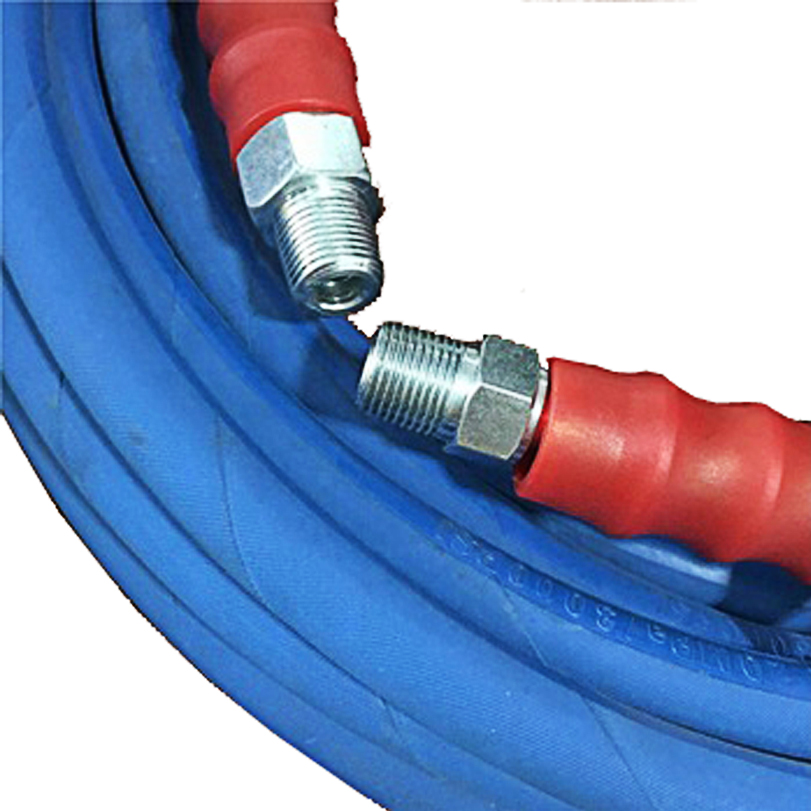
Black high pressure hydraulic hose is a critical component in fluid power systems, facilitating the transmission of hydraulic fluid to actuate machinery and perform work. Its primary function is to convey pressurized fluids – typically hydraulic oils – to operate cylinders, motors, and other hydraulic actuators. Positioned within the industrial chain, it directly supports sectors including construction, agriculture, manufacturing, and material handling. Core performance characteristics encompass burst pressure, working pressure, temperature resistance, and resistance to fluid degradation. The selection of an appropriate hydraulic hose necessitates careful consideration of these parameters to ensure operational safety, efficiency, and longevity. A major industry pain point is premature hose failure due to improper specification, installation, or maintenance leading to costly downtime and potential safety hazards.
Material Science & Manufacturing
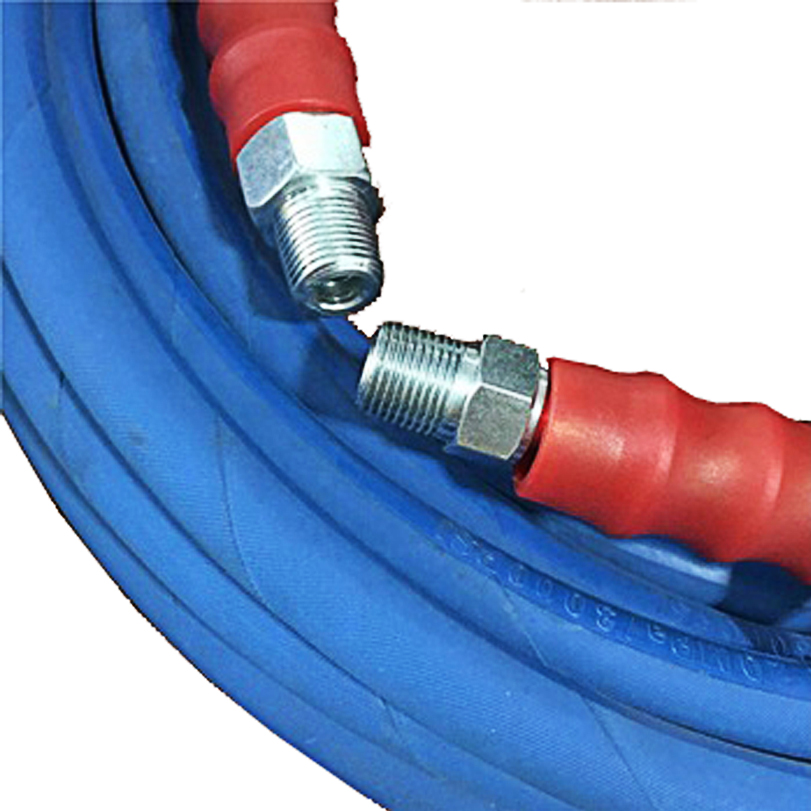
The construction of black high pressure hydraulic hose typically involves multiple layers, each contributing to its overall performance. The inner tube is commonly composed of synthetic rubbers such as nitrile rubber (NBR), chloroprene rubber (CR, Neoprene), or ethylene propylene diene monomer (EPDM) rubber. NBR offers excellent resistance to petroleum-based hydraulic fluids, CR provides good ozone and weathering resistance, and EPDM is superior in high-temperature and phosphate ester fluid applications. Reinforcement layers are crucial for withstanding high pressures and are often constructed from high-tensile steel wire – typically spiral-wound or braided. The number of layers and the wire gauge directly influence the hose’s maximum working pressure. The outer cover is usually a synthetic rubber blend, commonly a combination of SBR (styrene-butadiene rubber) and NBR, providing abrasion, weathering, and oil resistance. Manufacturing processes include extrusion for the inner tube and outer cover, followed by precisely winding or braiding the reinforcement layers. Critical parameters include maintaining consistent rubber compound formulations, ensuring accurate wire tension during reinforcement, and achieving proper adhesion between layers. Vulcanization, a crucial heating process, crosslinks the rubber polymers, improving elasticity, strength, and resistance to degradation. Precise temperature and time control during vulcanization are essential to achieve optimal material properties.
Performance & Engineering
Performance of black high pressure hydraulic hose is governed by several engineering principles. Burst pressure, a key specification, is determined by the tensile strength of the reinforcement layers and the adhesion between layers. A safety factor, typically 4:1, is applied to the working pressure to account for pressure surges and dynamic loads. Fatigue analysis is critical, considering cyclic pressure loading and bending stresses. Hose bend radius is a significant factor; exceeding the minimum bend radius can induce stress concentrations leading to premature failure. Environmental resistance is also paramount. Exposure to extreme temperatures, UV radiation, ozone, and corrosive chemicals can degrade the rubber compounds, reducing flexibility and increasing the risk of cracking. Compliance requirements, such as those outlined by SAE International (J517, J1926) and EN 853, specify performance standards for hydraulic hoses, including pressure ratings, temperature ranges, and testing procedures. The hose's ability to withstand fluid compatibility is also crucial. Certain fluids can cause swelling or degradation of the inner tube, leading to leakage and failure. Force analysis during installation is critical. Improper torqueing of fittings can create stress points and reduce the hose’s lifespan.
Technical Specifications
| Parameter | Unit | Typical Value (SAE 100R2AT Equivalent) | Typical Value (EN 853 2SN Equivalent) |
|---|---|---|---|
| Working Pressure | MPa | 21 | 20 |
| Burst Pressure | MPa | 84 | 80 |
| Temperature Range | °C | -40 to +100 | -40 to +100 |
| Inner Tube Material | - | NBR | NBR |
| Reinforcement | - | 2AT (Spiral Steel Wire) | 2SN (Spiral Steel Wire) |
| Outer Cover Material | - | SBR/NBR Blend | SBR/NBR Blend |
Failure Mode & Maintenance
Common failure modes in black high pressure hydraulic hose include burst failure due to exceeding pressure limits, pinhole leaks caused by abrasion or chemical attack, and end connection failures resulting from improper installation or corrosion. Fatigue cracking can occur under cyclic loading, particularly at bend points. Delamination, the separation of reinforcement layers, weakens the hose and can lead to catastrophic failure. Oxidation and degradation of the rubber compounds reduce flexibility and increase the risk of cracking. Failure analysis often reveals root causes such as incorrect hose selection for the application, improper installation techniques (over-tightening, incorrect fitting selection), contamination of the hydraulic fluid, or inadequate maintenance. Preventative maintenance includes regular visual inspections for cracks, abrasion, and leaks. Hose should be replaced at recommended intervals, even if no visible damage is present. Proper storage in a cool, dry, and dark environment is essential to prevent degradation. Hydraulic fluid should be regularly filtered to remove contaminants that can cause abrasion and damage to the inner tube. Correct torqueing of fittings, following manufacturer’s specifications, is crucial to ensure a secure and leak-free connection. Regular hose routing inspection is crucial to prevent rubbing and abrasion.
Industry FAQ
Q: What is the significance of the SAE 100R2AT and EN 853 2SN classifications?
A: These classifications define specific performance criteria for hydraulic hoses, including working pressure, burst pressure, temperature range, and fluid compatibility. SAE 100R2AT and EN 853 2SN are commonly used as industry benchmarks for comparable hose performance. Selecting a hose with the appropriate classification ensures it meets the requirements of the application and provides a defined level of safety and reliability.
Q: How does temperature affect the lifespan of a hydraulic hose?
A: Elevated temperatures accelerate the degradation of rubber compounds, reducing flexibility and increasing the risk of cracking. Low temperatures can cause the rubber to become brittle. Operating a hose outside of its specified temperature range will significantly shorten its lifespan. Consideration must be given to both ambient temperature and the temperature of the hydraulic fluid.
Q: What are the best practices for installing hydraulic hose fittings?
A: Proper installation is critical to prevent leaks and failures. Fittings should be clean and free of damage. Use a calibrated torque wrench to tighten fittings to the manufacturer’s specified torque values. Avoid over-tightening, which can damage the hose or fitting. Always use fittings that are compatible with the hose and fluid being used.
Q: What role does hydraulic fluid contamination play in hose failure?
A: Contaminants in hydraulic fluid, such as dirt, metal particles, and water, can act as abrasives, damaging the inner tube and causing leaks. They can also clog valves and reduce system efficiency. Regular fluid filtration is essential to maintain fluid cleanliness and prevent premature hose failure.
Q: What are the signs that a hydraulic hose needs to be replaced?
A: Visible signs include cracks, abrasion, swelling, blistering, or leaks. Hose should also be replaced if it shows signs of kinking, twisting, or is subjected to excessive bending. Regular inspection and adherence to recommended replacement intervals are crucial for preventing catastrophic failures.
Conclusion
Black high pressure hydraulic hose is a vital component in numerous industrial applications, demanding careful consideration of material science, manufacturing processes, and operational parameters. Proper selection, installation, and maintenance are essential to ensure reliable performance, prevent costly downtime, and maintain operational safety. Understanding the potential failure modes and adhering to industry standards such as those defined by SAE and EN are crucial for maximizing hose lifespan and minimizing risks.
Future advancements in hydraulic hose technology will likely focus on developing more durable and chemically resistant materials, implementing smart monitoring systems to detect early signs of degradation, and optimizing hose designs for improved flexibility and reduced weight. Continued research and development in these areas will contribute to enhanced efficiency, reliability, and sustainability in hydraulic systems.