
Apr . 01, 2024 17:55 Back to list
best price hydraulic hose suppliers Performance Analysis
Introduction
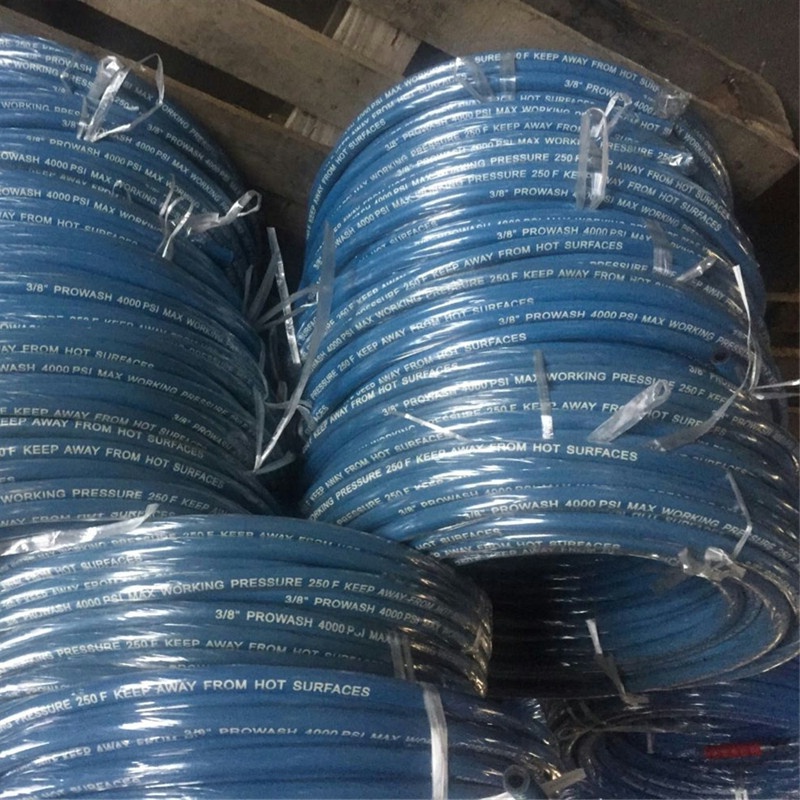
Hydraulic hoses are fundamental components in fluid power systems, transmitting hydraulic fluid to actuators and other components. The “best price hydraulic hose suppliers” designation reflects a complex interplay of material cost, manufacturing efficiency, quality control, and logistical capabilities. Within the industrial chain, they represent a critical link between hose manufacturers, distributors, and end-users across diverse sectors including construction, agriculture, mining, and manufacturing. Core performance characteristics center around pressure rating, burst pressure, temperature resistance, flexibility, and resistance to fluid compatibility – parameters directly impacting system reliability and safety. The increasing demands for higher operating pressures in modern hydraulic systems and the growing adoption of environmentally friendly hydraulic fluids necessitate advancements in hose materials and construction techniques. A key pain point for procurement managers is balancing cost optimization with ensuring hose performance meets stringent application requirements and safety standards, particularly in demanding or critical applications.
Material Science & Manufacturing
Hydraulic hoses are typically constructed from a combination of materials, each contributing to specific performance characteristics. The inner tube, in direct contact with the fluid, is commonly made from synthetic rubbers such as nitrile (NBR) for petroleum-based fluids, ethylene-propylene diene monomer (EPDM) for phosphate ester fluids, and polytetrafluoroethylene (PTFE) for aggressive chemicals. NBR offers good abrasion resistance and temperature range (-40°C to 120°C), while EPDM excels in heat resistance and resistance to ozone and weathering. PTFE provides exceptional chemical inertness but is more costly. The reinforcement layer provides strength and determines the pressure rating. Common materials include high-tensile steel wire (single or multiple braids), synthetic fiber braids (polyester, aramid), and spiral-wound steel wire. Steel wire reinforcement offers the highest pressure capacity but reduces flexibility. Spiral-wound construction provides high pressure capability with increased flexibility compared to braided designs. The outer cover protects the reinforcement from environmental degradation and abrasion, typically utilizing synthetic rubbers like chloroprene (CR) or polyurethane (PU). CR offers good abrasion and oil resistance, while PU provides superior abrasion and ozone resistance.
Manufacturing processes vary based on hose type. Braided hoses involve extruding the inner tube, applying the reinforcement braid, and then extruding the outer cover. Precise tension control during braiding is critical to ensure uniform pressure distribution and prevent hose distortion. Spiral-wound hoses involve continuously winding pre-formed steel wire around the inner tube, followed by application of the outer cover. The pitch and diameter of the wire significantly affect hose flexibility and pressure rating. Injection molding is used for fitting attachment, requiring careful control of temperature and pressure to ensure a secure, leak-proof bond. Post-production testing includes hydrostatic pressure testing to verify burst pressure, impulse testing to assess fatigue life, and dimensional checks to confirm adherence to specifications. Parameter control during extrusion (temperature, screw speed, die pressure) and braiding/winding (tension, wire alignment) is crucial for consistent product quality.
Performance & Engineering
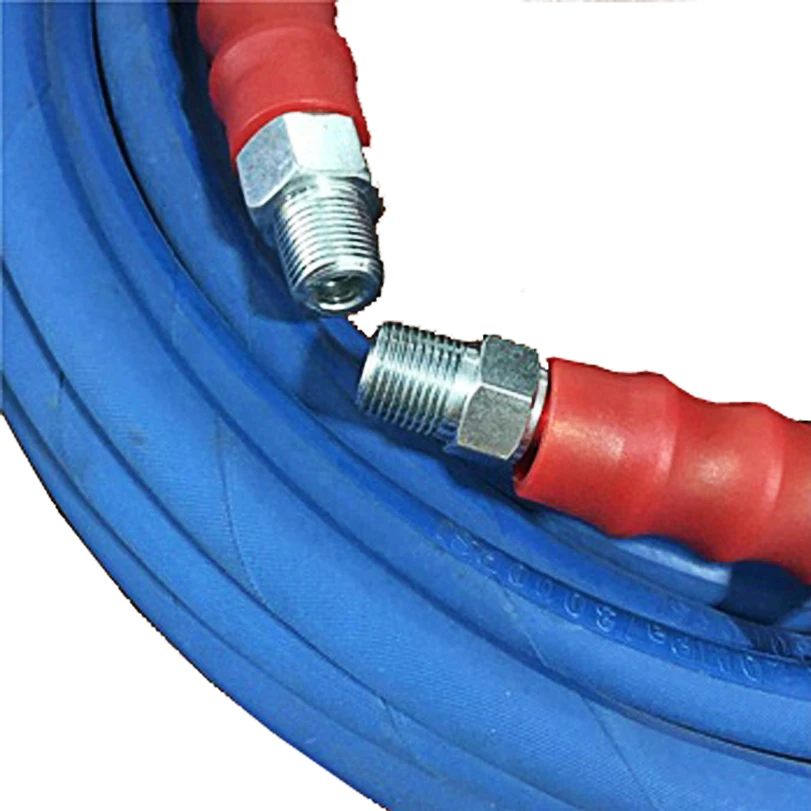
The performance of hydraulic hoses is dictated by several engineering principles. Force analysis focuses on hoop stress within the hose wall under internal pressure. Higher pressure and smaller hose diameters result in increased hoop stress, demanding stronger reinforcement layers. Burst pressure is typically rated at a 4:1 safety factor compared to working pressure. Flexibility is governed by the hose’s bend radius; smaller bend radii increase stress concentrations and reduce hose life. Finite Element Analysis (FEA) is frequently employed to model stress distribution and optimize hose design for specific applications. Environmental resistance is paramount; exposure to UV radiation, ozone, extreme temperatures, and corrosive fluids can degrade hose materials, leading to failure. Selection of appropriate rubber compounds and protective covers is crucial for long-term reliability. Compliance requirements vary by region and application. For example, SAE J517 specifies pressure ratings and performance characteristics for hydraulic hoses in North America, while EN 856 defines similar standards in Europe. Hose assemblies must also comply with relevant safety regulations, such as those related to fluid containment and fire resistance. Furthermore, the compatibility of the hose materials with the hydraulic fluid is vital; incompatible fluids can cause swelling, softening, or degradation of the inner tube, leading to leaks and system failure.
Technical Specifications
| Parameter | Unit | SAE 100R1AT | SAE 100R2AT | DIN EN 856 4SH |
|---|---|---|---|---|
| Working Pressure | MPa | 20.7 | 34.5 | 21 |
| Burst Pressure | MPa | 82.7 | 138 | 84 |
| Temperature Range | °C | -40 to +100 | -40 to +121 | -40 to +100 |
| Reinforcement | - | Single Steel Wire Braid | Double Steel Wire Braid | Spiral Steel Wire |
| Inner Tube | - | NBR | NBR | NBR |
| Outer Cover | - | CR | CR | CR |
Failure Mode & Maintenance
Hydraulic hose failures commonly arise from several mechanisms. Fatigue cracking, induced by repeated pressure cycles and flexing, is a primary failure mode, particularly in applications with high vibration or frequent bending. Delamination, the separation of reinforcement layers from the inner tube or outer cover, occurs due to inadequate bonding or material incompatibility. Oxidation and degradation of rubber compounds, accelerated by exposure to heat, ozone, and UV radiation, reduce material strength and flexibility. Abrasion, caused by contact with abrasive surfaces, wears away the outer cover, exposing the reinforcement to corrosion. Kinking, resulting from excessive bending, damages the inner tube and restricts fluid flow. Improper installation, such as over-tightening fittings or exceeding the minimum bend radius, can also lead to premature failure.
Preventative maintenance is critical for extending hose life. Regular visual inspections should identify signs of cracking, abrasion, swelling, or leaks. Hose assemblies should be replaced at recommended intervals, even if no visible damage is apparent. Fittings should be torqued to the manufacturer’s specifications. Proper hose routing and support are essential to prevent kinking and abrasion. Fluid contamination can accelerate hose degradation; implementing filtration systems and regular fluid analysis is crucial. When replacing hoses, ensure compatibility with the hydraulic fluid and operating conditions. Documenting hose replacement dates and maintenance activities assists in tracking performance and identifying potential issues.
Industry FAQ
Q: What is the significance of impulse testing in hydraulic hose evaluation?
A: Impulse testing simulates the effects of pressure pulsations, which are common in hydraulic systems due to pump delivery and valve switching. It assesses the hose’s ability to withstand repeated pressure surges without failure. A hose with poor impulse resistance will exhibit fatigue cracking at the fittings or along the hose body. Impulse ratings are crucial for applications involving reciprocating machinery or systems with rapidly cycling valves.
Q: How does hose layline marking contribute to traceability and maintenance?
A: Hose layline markings provide critical information about the hose manufacturer, manufacturing date, pressure rating, and hose type. This information enables traceability, allowing for quick identification of the hose’s specifications in case of failure or when ordering replacements. The date code helps track hose age and schedule preventative maintenance.
Q: What are the considerations for selecting a hose cover material in outdoor applications?
A: In outdoor applications, the hose cover material must resist UV radiation, ozone, and weathering. Chloroprene (CR) provides good overall resistance, but polyurethane (PU) offers superior abrasion and ozone resistance, making it a better choice for harsh environments. Darker colors typically offer better UV protection than lighter colors.
Q: How does spiral hose construction differ from braided hose construction in terms of application suitability?
A: Spiral hose construction generally provides higher pressure ratings and greater flexibility than braided hose construction. Spiral hoses are well-suited for high-pressure applications, such as hydraulic machinery and off-highway equipment, where flexibility is also important. Braided hoses are often used in less demanding applications where cost is a primary concern.
Q: What is the impact of hydraulic fluid type on hose material selection?
A: Different hydraulic fluids require different hose materials. Petroleum-based fluids are compatible with nitrile (NBR) rubber, while phosphate ester fluids require ethylene-propylene diene monomer (EPDM) rubber. Aggressive chemicals, such as acids and solvents, necessitate the use of polytetrafluoroethylene (PTFE) lined hoses. Using an incompatible hose material can lead to swelling, softening, or degradation of the inner tube, resulting in leaks and system failure.
Conclusion
Selecting “best price hydraulic hose suppliers” demands a nuanced understanding of material science, manufacturing processes, performance engineering, and industry standards. Cost optimization should not compromise safety or reliability. Thorough evaluation of hose specifications, environmental conditions, and application requirements is essential. Prioritizing quality materials, robust construction, and adherence to recognized standards (SAE, EN, DIN) ensures optimal hose performance and minimizes the risk of costly failures.
The future of hydraulic hose technology will likely focus on developing lighter-weight, higher-strength materials, improving fluid compatibility, and enhancing resistance to environmental degradation. Advancements in smart hose technology, incorporating sensors to monitor pressure, temperature, and hose condition, will enable predictive maintenance and improve system reliability. A collaborative approach between hose manufacturers, distributors, and end-users will be crucial for driving innovation and meeting the evolving needs of the hydraulic industry.