
Apr . 01, 2024 17:55 Back to list
best price hydraulic hose Performance Analysis
Introduction
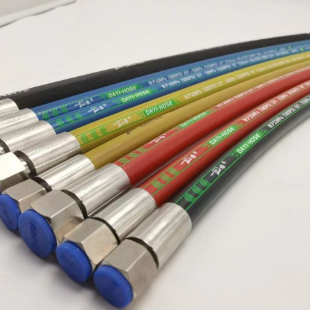
Hydraulic hose, specifically focusing on cost-optimized “best price” offerings, represents a critical component in fluid power systems across diverse industries including construction, agriculture, manufacturing, and automotive. These hoses transmit hydraulic fluid under pressure, enabling the operation of machinery and equipment. The industry demand for competitively priced hoses necessitates a careful balance between material selection, manufacturing processes, and performance characteristics. This guide provides an in-depth technical overview of best price hydraulic hoses, encompassing material science, manufacturing considerations, performance parameters, failure analysis, and relevant industry standards. The core challenge lies in delivering reliability and longevity at a reduced cost point, often requiring trade-offs in material grades or construction complexity. Understanding these trade-offs is paramount for informed procurement and effective system design. Best price hydraulic hoses typically utilize synthetic rubber compounds reinforced with textile or steel braiding, forming a multi-layered structure designed to withstand high pressures, temperature fluctuations, and exposure to various fluids.
Material Science & Manufacturing
The foundation of a best price hydraulic hose lies in its constituent materials. Commonly, the inner tube is constructed from Nitrile Butadiene Rubber (NBR), also known as Buna-N, chosen for its excellent resistance to petroleum-based hydraulic fluids. While more expensive polymers like Fluorocarbon (FKM/Viton) offer superior chemical resistance, they are typically excluded in cost-optimized designs. The reinforcement layer is critical for pressure containment. Textile reinforcement, typically employing multiple plies of high-tenacity polyester or nylon, provides adequate strength for lower-pressure applications. For higher pressures, a single or multi-wire spiral steel reinforcement is employed, although the gauge and quality of the steel are frequently reduced to achieve a lower price point. The outer cover generally utilizes a blend of synthetic rubbers – often a Chloroprene (Neoprene) or EPDM – providing protection against abrasion, weathering, and oil exposure. Manufacturing processes primarily involve extrusion for the inner tube and outer cover, followed by braiding or spiral winding for the reinforcement layer. Critical parameter control includes maintaining consistent rubber compound viscosity during extrusion, precise tension control during braiding, and proper curing temperatures and times to ensure optimal vulcanization. A key cost reduction strategy involves minimizing rubber compound additives and employing lower-cost fillers. Quality control focuses on dimensional accuracy, burst pressure testing, and leak testing, although the frequency and severity of testing may be reduced in best price offerings.
Performance & Engineering
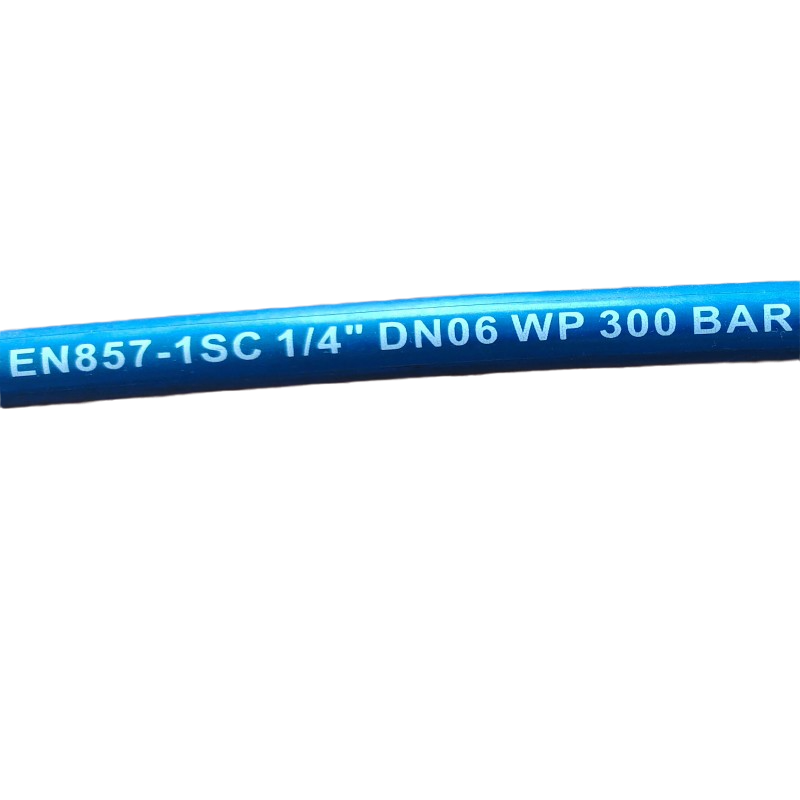
Performance characteristics of best price hydraulic hoses are dictated by design parameters and material properties. Burst pressure, working pressure, temperature range, and fluid compatibility are primary considerations. Working pressure is typically rated as a safety factor (e.g., 4:1) relative to the burst pressure. Engineers must perform force analysis to determine the appropriate reinforcement layer for specific application pressures and cyclic loading conditions. Environmental resistance is also crucial; prolonged exposure to ozone, UV radiation, and extreme temperatures can degrade the rubber compounds, leading to premature failure. Compliance with industry standards – such as SAE J517 – mandates specific performance requirements. One key engineering challenge is mitigating hose expansion under pressure. Excessive expansion can lead to decreased accuracy in hydraulic systems and increased stress on hose fittings. The hose wall thickness and reinforcement structure directly influence expansion characteristics. Furthermore, the hose's bend radius must be carefully considered to avoid kinking or excessive stress concentration. For best price hoses, the choice of materials often impacts long-term performance; for example, NBR inner tubes exhibit limited compatibility with phosphate ester hydraulic fluids, requiring careful fluid selection or the use of alternative inner tube materials.
Technical Specifications
| Parameter | Unit | Typical Value (Low-Cost Hose) | Typical Value (Standard Hose) |
|---|---|---|---|
| Working Pressure | PSI | 1500 | 3000 |
| Burst Pressure | PSI | 4500 | 9000 |
| Temperature Range | °F | -40 to +212 | -40 to +248 |
| Inner Tube Material | - | NBR (Buna-N) | NBR, EPDM, FKM |
| Reinforcement | - | Polyester Braid (2-ply) | Steel Wire Spiral (Single or Multi-Wire) |
| Outer Cover Material | - | Neoprene | Neoprene, EPDM |
Failure Mode & Maintenance
Best price hydraulic hoses are susceptible to several failure modes. Fatigue cracking, particularly at the hose ends near fittings, is a common issue due to cyclic pressure fluctuations and bending stresses. Delamination of the reinforcement layer can occur if bonding between the rubber and reinforcement is inadequate, leading to a sudden loss of pressure containment. Rubber degradation, caused by exposure to ozone, UV radiation, and high temperatures, results in hardening and cracking of the hose material, reducing its flexibility and strength. Abrasion damage to the outer cover can expose the reinforcement layer, accelerating corrosion and eventual failure. Internal erosion due to particulate contamination in the hydraulic fluid can also contribute to hose failure. Maintenance strategies include regular visual inspections for signs of wear, cracks, or leaks. Proper hose routing and support are crucial to minimize bending stress. The use of appropriate hose guards can protect against abrasion. Regularly monitoring hydraulic fluid condition and replacing filters are essential to prevent internal erosion. If a hose shows any signs of damage, it should be replaced immediately. Incorrect installation, such as over-tightening fittings, can also induce premature failure.
Industry FAQ
Q: What is the primary trade-off when selecting a best price hydraulic hose versus a premium hose?
A: The primary trade-off is typically longevity and resistance to harsh operating conditions. Best price hoses often utilize less durable materials (like NBR instead of FKM) and simpler reinforcement structures (textile braid instead of steel spiral) to reduce cost, resulting in a shorter service life and reduced performance in extreme temperatures or with aggressive fluids.
Q: How does the reinforcement material impact the hose's pressure rating?
A: The reinforcement material directly determines the hose's ability to withstand internal pressure. Steel wire reinforcement offers significantly higher pressure ratings than textile braid reinforcement. The number of layers, the wire diameter, and the winding pitch all contribute to the overall pressure capacity.
Q: What are the common causes of hose failure in hydraulic systems?
A: Common causes include exceeding the working pressure, incorrect installation (over-tightening fittings), exposure to incompatible fluids, abrasion damage, ozone/UV degradation, and fatigue cracking due to cyclic loading. Internal contamination can also accelerate wear.
Q: What preventative maintenance steps can be taken to extend the life of a hydraulic hose?
A: Regular visual inspections, proper hose routing and support, the use of hose guards, maintaining clean hydraulic fluid with regular filter changes, and avoiding sharp bends are all crucial preventative maintenance steps.
Q: What impact does temperature have on hydraulic hose performance?
A: Extreme temperatures – both high and low – can significantly degrade hose performance. High temperatures can cause rubber hardening and cracking, while low temperatures can reduce flexibility and increase the risk of cracking during bending. Exceeding the specified temperature range can lead to premature failure.
Conclusion
Best price hydraulic hoses offer a viable solution for applications where cost is a primary concern, but require careful consideration of their limitations. The selection process necessitates a thorough understanding of the operating conditions, fluid compatibility requirements, and acceptable service life expectations. Compromises in material selection and construction directly impact performance and durability, demanding diligent monitoring and preventative maintenance to mitigate potential failure risks.
Ultimately, the optimal choice between a best price hose and a higher-grade alternative depends on a holistic evaluation of total cost of ownership, including replacement frequency, downtime costs, and safety considerations. Engineers and procurement professionals must prioritize a balanced approach that ensures both economic viability and operational reliability.