
Apr . 01, 2024 17:55 Back to list
best price hydraulic hose manufacturers Performance Analysis
Introduction
Hydraulic hoses are a critical component in numerous industrial and mobile applications, responsible for the safe and efficient transmission of fluid power. The designation “best price hydraulic hose manufacturers” frequently prioritizes cost-effectiveness, but a comprehensive understanding necessitates evaluating not only initial acquisition cost, but also lifecycle cost, performance characteristics, and adherence to rigorous industry standards. This guide provides an in-depth technical analysis of hydraulic hose technology, covering material science, manufacturing processes, performance parameters, failure modes, and relevant international standards. The core pain point in the industry lies in balancing affordability with reliability; a premature failure of a hydraulic hose can result in significant downtime, safety hazards, and substantial repair expenses. This guide aims to equip engineers, procurement managers, and maintenance personnel with the knowledge to make informed decisions when selecting and maintaining hydraulic hose assemblies.
Material Science & Manufacturing
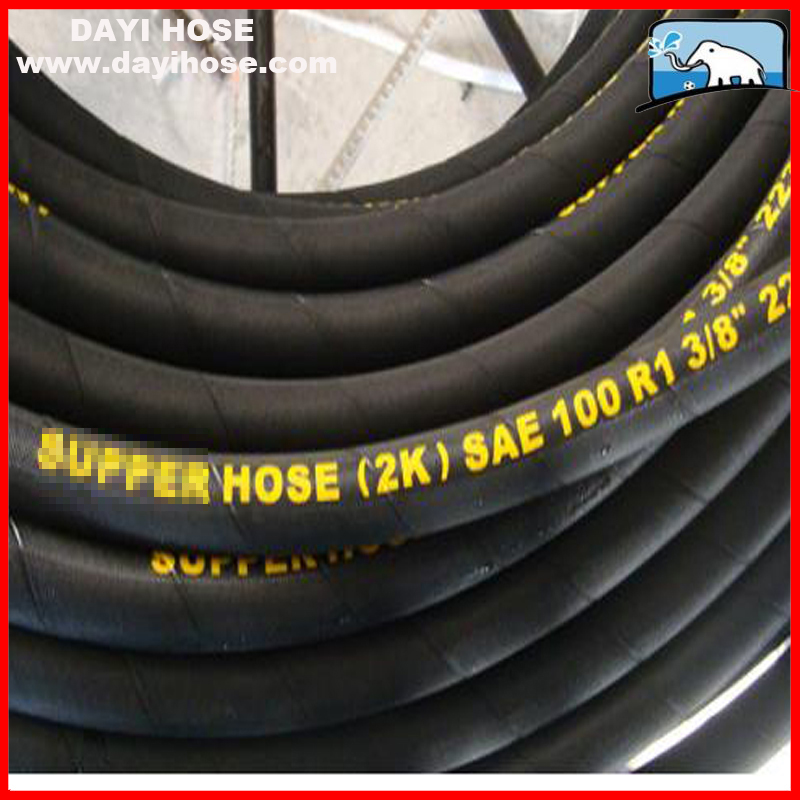
Hydraulic hoses are typically constructed from multiple layers, each contributing to specific performance attributes. The inner tube, in direct contact with the hydraulic fluid, is commonly composed of synthetic rubbers such as nitrile (NBR), ethylene propylene diene monomer (EPDM), or fluorocarbon (FKM – Viton). NBR offers excellent resistance to petroleum-based fluids, while EPDM excels in phosphate ester resistance. FKM provides superior resistance to high temperatures and aggressive chemicals, though at a higher cost. The reinforcement layer provides the hose's pressure-handling capability and is typically constructed from high-tensile steel wire (single or multi-spiral), aramid fiber (Kevlar), or a combination thereof. Steel wire reinforcement offers the highest pressure ratings, while aramid fiber provides flexibility and a reduced weight. The outer cover provides abrasion, weather, and chemical resistance, usually made from synthetic rubber compounds like chloroprene (Neoprene) or polyurethane.
Manufacturing processes vary based on hose construction. Braided hoses involve helically winding reinforcement around the inner tube, followed by vulcanization to bond the layers. Spiral-wound hoses use multiple layers of spirally wound steel wire, offering higher pressure capabilities. Injection molding is used for creating hose ends and fittings. Key parameter control during manufacturing includes maintaining consistent rubber compound formulations, precise wire winding tension, proper vulcanization temperatures and times, and rigorous quality control inspections to ensure dimensional accuracy and absence of defects like pinholes or voids. The curing process is critical, affecting the crosslink density of the rubber and ultimately its resistance to degradation and permeation. Post-curing processes often include pressure testing to verify burst pressure and leak tightness.
Performance & Engineering
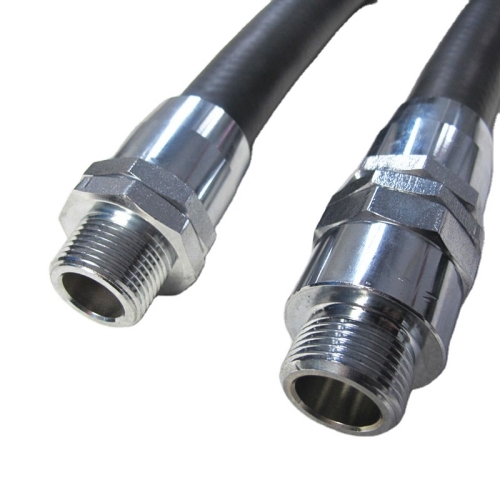
Hydraulic hose performance is governed by several critical engineering considerations. Burst pressure, working pressure, and impulse pressure ratings are paramount. Burst pressure represents the maximum pressure the hose can withstand before failure; working pressure is a fraction of the burst pressure, typically 50-75%, and represents the maximum recommended operating pressure. Impulse pressure represents the hose’s ability to withstand pressure fluctuations. Hose bend radius is also crucial; exceeding the minimum bend radius can cause kinking and premature failure. Temperature range is a significant factor, as both high and low temperatures can degrade rubber compounds and reduce hose life.
Force analysis involves evaluating the tensile strength of the reinforcement layer and the hoop stress in the hose wall under pressure. Environmental resistance encompasses protection against ozone, UV radiation, and chemical attack. Compliance requirements vary by region and application. In the automotive industry, hoses must meet SAE J517 standards. In the aerospace industry, stringent standards are dictated by organizations like SAE Aerospace. Fluid compatibility is crucial; incompatible fluids can cause swelling, degradation, or corrosion of the hose materials. Selecting the correct hose material for the specific hydraulic fluid is essential for long-term reliability. Static electricity buildup can occur in non-conductive hoses when transporting certain fluids, requiring the use of conductive hose constructions to prevent sparks and potential ignition of flammable fluids.
Technical Specifications
| Parameter | SAE 100R1AT | SAE 100R2AT | DIN EN 853 1SN | DIN EN 857 1ST |
|---|---|---|---|---|
| Working Pressure (PSI) | 600 | 1200 | 315 bar (4569 PSI) | 205 bar (2973 PSI) |
| Burst Pressure (PSI) | 2400 | 4800 | 1275 bar (18500 PSI) | 820 bar (11900 PSI) |
| Temperature Range (°F) | -40 to +212 | -40 to +212 | -40 to +100 | -40 to +100 |
| Reinforcement | Single Steel Wire Braid | Two Steel Wire Braids | Single Steel Wire Spiral | Single Steel Wire Braid |
| Inner Tube | NBR | NBR | NBR | NBR |
| Outer Cover | Synthetic Rubber | Synthetic Rubber | Synthetic Rubber | Synthetic Rubber |
Failure Mode & Maintenance
Hydraulic hose failures commonly stem from several modes. Fatigue cracking occurs due to repeated flexing and pressure cycles, initiating at areas of high stress concentration such as fittings or kinks. Abrasion damage arises from contact with abrasive surfaces, compromising the outer cover and exposing the reinforcement layer. Pinholes can develop in the inner tube due to manufacturing defects or corrosion. Chemical degradation results from incompatible fluids attacking the hose material, causing swelling, softening, or cracking. Oxidation and ozone cracking occur due to exposure to environmental elements. Improper installation, such as excessive bending or twisting, can also lead to premature failure.
Preventative maintenance is critical. Regular visual inspections should be conducted to identify signs of abrasion, cracking, swelling, or leaks. Hose assemblies should be replaced based on a predetermined schedule or after experiencing any damage. Proper routing and support are essential to prevent excessive bending and abrasion. Use of appropriate fittings and tightening to the manufacturer's specifications is vital. Systematic fluid analysis can identify contamination or fluid degradation, potentially preventing hose failure. When replacing hoses, it’s recommended to replace the entire assembly (hose and fittings) to ensure compatibility and prevent issues arising from corroded or damaged fittings.
Industry FAQ
Q: What is the difference between a braided and spiral hose, and when should each be used?
A: Braided hoses utilize one or more layers of interwoven steel wire, providing excellent flexibility but typically lower pressure ratings. Spiral hoses employ a continuously wound steel wire, resulting in significantly higher pressure capabilities but reduced flexibility. Braided hoses are suitable for low to medium pressure applications where flexibility is paramount, such as mobile equipment steering systems. Spiral hoses are preferred for high-pressure systems like heavy machinery and hydraulic presses.
Q: How does temperature affect hydraulic hose performance?
A: Temperature extremes can significantly impact hose life. High temperatures accelerate rubber degradation, reducing flexibility and increasing the risk of cracking. Low temperatures can cause rubber to stiffen and become brittle, making it more susceptible to damage. It's crucial to select a hose material rated for the operating temperature range of the application and avoid exceeding those limits.
Q: What are the common causes of hydraulic hose leaks?
A: Common causes include improper fitting installation (over-tightening or under-tightening), damaged threads, corrosion, abrasion, and internal degradation of the hose material. Pinholes can also develop due to manufacturing defects or fluid contamination. Regular inspection and proper maintenance practices are crucial for preventing leaks.
Q: What is the importance of fluid compatibility?
A: Fluid incompatibility can cause the hose material to swell, soften, or degrade, leading to premature failure. Using the wrong hose with a specific hydraulic fluid can significantly shorten its lifespan and compromise system performance. Always verify the hose material's compatibility with the fluid before installation.
Q: How should hydraulic hoses be stored to maximize their lifespan?
A: Hoses should be stored in a cool, dry, and dark environment, away from direct sunlight, ozone sources, and extreme temperatures. They should be coiled loosely, avoiding sharp bends or kinks. Avoid storing hoses in contact with incompatible materials or chemicals. Proper storage helps to prevent degradation and maintain their flexibility and performance.
Conclusion
Selecting “best price hydraulic hose manufacturers” requires a nuanced approach beyond simply identifying the lowest initial cost. A thorough understanding of material science, manufacturing processes, performance parameters, and potential failure modes is paramount to ensuring reliable operation, minimizing downtime, and maximizing lifecycle cost-effectiveness. Prioritizing hoses that meet or exceed relevant industry standards (SAE, DIN EN, ISO) is non-negotiable.
Future trends in hydraulic hose technology are focused on developing advanced materials with enhanced resistance to degradation, higher pressure ratings, and reduced weight. The integration of sensor technology for real-time condition monitoring is also gaining traction, enabling proactive maintenance and preventing catastrophic failures. Ultimately, a well-informed selection process combined with diligent maintenance practices will yield the most cost-effective and dependable hydraulic hose solution.