
Apr . 01, 2024 17:55 Back to list
best price hydraulic hose factory Performance Analysis
Introduction
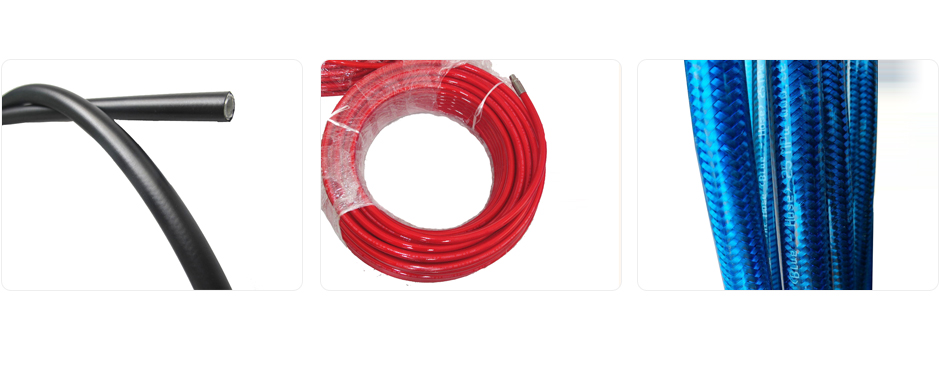
Hydraulic hoses are critical components in fluid power systems, responsible for transmitting pressurized hydraulic fluid to actuators and other components. The "best price hydraulic hose factory" designation represents a market segment focused on providing cost-effective solutions without compromising fundamental performance and safety requirements. These hoses are utilized across a diverse range of industries including construction, agriculture, manufacturing, mining, and oil & gas. Their technical position within the supply chain places them as a Tier 2 or Tier 3 supplier, directly impacting the efficiency and reliability of larger hydraulic systems. Core performance parameters include pressure rating, temperature range, fluid compatibility, and burst strength. A prevalent industry pain point is balancing cost reduction with maintaining necessary safety factors and longevity, often requiring careful material selection and rigorous quality control.
Material Science & Manufacturing
Hydraulic hoses are typically constructed from several layers, each contributing to specific performance characteristics. The inner tube, in direct contact with the fluid, is commonly made from synthetic rubbers like nitrile (NBR), ethylene propylene diene monomer (EPDM), or fluorocarbon (FKM, Viton). NBR offers excellent resistance to petroleum-based fluids, EPDM provides superior heat and weather resistance, and FKM exhibits broad chemical compatibility and high-temperature stability. The reinforcement layer provides burst strength and pressure resistance. Materials used here include braided steel wire (typically high tensile steel), spiral steel wire, or synthetic fiber (aramid or polyester). The outer cover protects the reinforcement layer from abrasion, environmental degradation, and oil contamination, often employing materials like chloroprene rubber (CR) or polyurethane (PU).
Manufacturing processes vary depending on hose type. Braided hoses are produced by interlacing steel wire around a mandrel, followed by rubber extrusion. Spiral hoses involve winding high-tensile steel wire around a mandrel in a continuous spiral, again followed by rubber extrusion. Injection molding is utilized for coupling attachment. Critical parameter control during manufacturing includes maintaining consistent rubber compound ratios, precise wire winding tension, proper vulcanization (curing) time and temperature, and accurate dimensional control. Vulcanization is crucial for achieving desired rubber properties like elasticity, tensile strength, and resistance to degradation. Failure to control these parameters can lead to premature hose failure. Hose testing is performed to ensure compliance with pressure, impulse, and temperature specifications.
Performance & Engineering
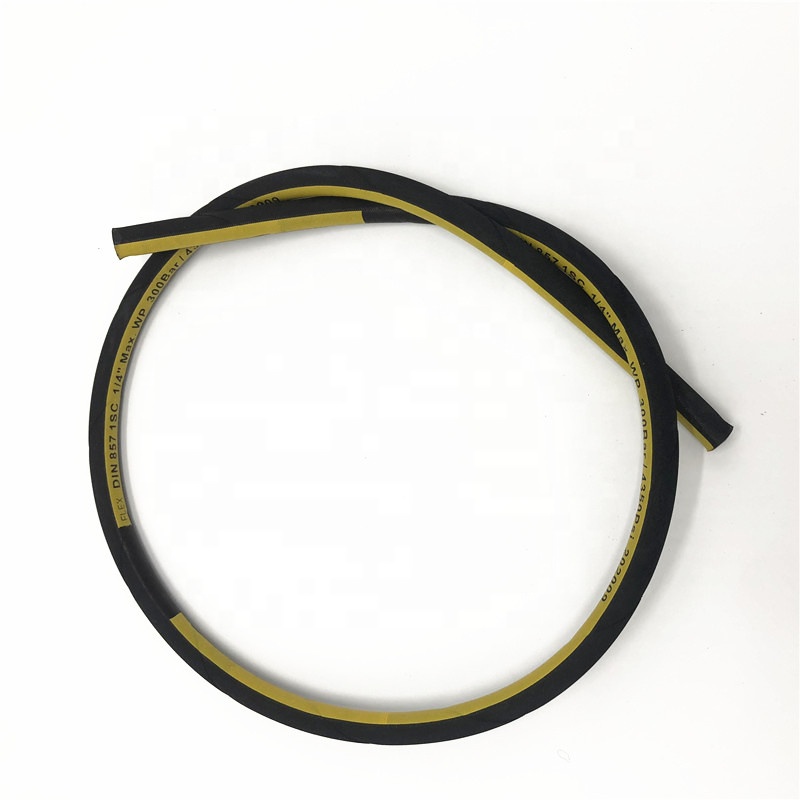
Hydraulic hose performance is governed by several engineering principles. Force analysis dictates the required reinforcement layer strength based on operating pressure and safety factors. Hose wall thickness and material selection influence the burst pressure, which is typically four times the working pressure. Impulse pressure, caused by pulsating flow, requires consideration of hose flexibility and fatigue resistance. Environmental resistance is critical; exposure to UV radiation, ozone, and extreme temperatures can degrade rubber compounds, leading to cracking and reduced flexibility. Fluid compatibility is paramount to prevent swelling, softening, or chemical attack of the inner tube. Compliance requirements, such as those stipulated by SAE (Society of Automotive Engineers) and EN (European Norms), mandate specific testing procedures and performance standards. Furthermore, bending radius significantly impacts hose life; exceeding the minimum bend radius induces stress concentration and premature failure. Proper hose routing and support are therefore essential.
Technical Specifications
| Parameter | Unit | Standard SAE 100R2AT | Standard EN 853 2SN |
|---|---|---|---|
| Working Pressure | MPa | 20.7 | 16 |
| Burst Pressure | MPa | 82.7 | 64 |
| Temperature Range | °C | -40 to +100 | -40 to +100 |
| Inner Tube | Material | NBR | NBR |
| Reinforcement | Material | 2AT Braided Steel | 2SN Steel Wire Spiral |
| Outer Cover | Material | Synthetic Rubber | Synthetic Rubber |
Failure Mode & Maintenance
Hydraulic hose failure can occur through several mechanisms. Fatigue cracking, initiated by repeated bending and pressure cycling, is a common failure mode. Delamination, the separation of reinforcement layers from the rubber matrix, reduces burst strength. Rubber degradation, caused by ozone cracking, UV exposure, and chemical attack, leads to loss of flexibility and eventual rupture. Abrasion from external contact can wear through the outer cover, exposing the reinforcement layer to corrosion. Internal corrosion can occur if incompatible fluids are used or if moisture penetrates the hose. Impulsive pressure spikes can exceed the hose’s surge pressure rating and lead to catastrophic failure.
Preventative maintenance includes regular visual inspections for cracks, abrasions, and leaks. Checking hose routing to avoid sharp bends and contact with hot surfaces is crucial. Proper fluid filtration prevents internal contamination and erosion. Maintaining appropriate system pressure within the hose’s rating extends its service life. When replacing hoses, ensure compatibility with the hydraulic fluid and operating conditions. Proper crimping of couplings is essential for a leak-free and reliable connection. Retirement of hoses should occur based on a preventative schedule, or upon discovery of any degradation symptoms.
Industry FAQ
Q: What is the impact of hydraulic fluid type on hose lifespan?
A: The hydraulic fluid type significantly impacts hose lifespan. Incompatible fluids can cause swelling, softening, or chemical degradation of the inner tube, leading to premature failure. Using the fluid specified by the hose manufacturer is critical. For example, using petroleum-based fluid in a hose designed for synthetic fluids will cause rapid deterioration. Also, maintaining fluid cleanliness is essential, as abrasive particles can cause internal erosion.
Q: How does temperature affect hydraulic hose performance?
A: Temperature extremes negatively impact hydraulic hose performance. High temperatures accelerate rubber degradation, reducing flexibility and increasing the risk of cracking. Low temperatures can cause rubber to become brittle and less resistant to impact. Exceeding the hose's specified temperature range compromises its structural integrity and can lead to failure. Thermal expansion and contraction also need to be considered in hose routing.
Q: What are the key differences between braided and spiral hoses?
A: Braided hoses offer excellent flexibility and are suitable for applications with tight bends. They typically have lower pressure ratings compared to spiral hoses. Spiral hoses provide higher burst strength and are better suited for high-pressure applications. However, they are generally less flexible. The choice between the two depends on the specific application requirements.
Q: What is the correct procedure for attaching hose couplings?
A: Proper crimping is crucial for a reliable hose-to-coupling connection. The crimp must be dimensionally accurate and provide sufficient compression to prevent leakage. Using the correct crimping machine and die set for the specific hose and coupling size is essential. Damaged or improperly crimped couplings are a significant source of hose failures.
Q: What safety precautions should be taken when handling hydraulic hoses?
A: Hydraulic fluid under pressure can cause serious injury. Never disconnect a pressurized hose. Relieve pressure before disconnecting any component. Wear appropriate personal protective equipment (PPE), including safety glasses and gloves. Inspect hoses regularly for leaks or damage. If a hose ruptures, immediately shut down the system and address the issue before resuming operation.
Conclusion
The selection and maintenance of hydraulic hoses are critical for ensuring the reliable and safe operation of hydraulic systems. “Best price hydraulic hose factory” offerings necessitate a careful balance between cost optimization and adherence to essential performance and safety standards. Understanding the material science, manufacturing processes, and potential failure modes is crucial for procurement managers and engineers alike. Proper material selection, rigorous quality control, and adherence to industry standards are paramount for maximizing hose lifespan and minimizing downtime.
Future advancements in hydraulic hose technology will likely focus on developing more durable and chemically resistant rubber compounds, as well as exploring alternative reinforcement materials to enhance burst strength and reduce weight. Implementing predictive maintenance strategies, based on sensor data and machine learning, can further optimize hose replacement schedules and prevent unexpected failures. Continuing to prioritize safety and reliability will remain paramount in this critical component of fluid power systems.