
Apr . 01, 2024 17:55 Back to list
best price hydraulic hose factories Performance Analysis
Introduction
Hydraulic hoses are critical components in fluid power systems, transmitting hydraulic fluid to actuate machinery across diverse industries including construction, agriculture, manufacturing, and automotive. “Best price hydraulic hose factories” represent a segment focused on cost-effective production without necessarily compromising essential performance characteristics. However, the term ‘best price’ necessitates careful scrutiny of material selection, manufacturing processes, and quality control to ensure long-term reliability and safety. This guide provides an in-depth technical analysis of hydraulic hose construction, performance considerations, failure modes, and relevant industry standards, targeted towards procurement managers and engineers evaluating options from various manufacturers. Core performance metrics center around pressure rating, temperature range, fluid compatibility, and resistance to abrasion and kinking. The industry consistently grapples with balancing cost reduction initiatives with the need to maintain acceptable levels of safety and operational longevity in demanding applications.
Material Science & Manufacturing
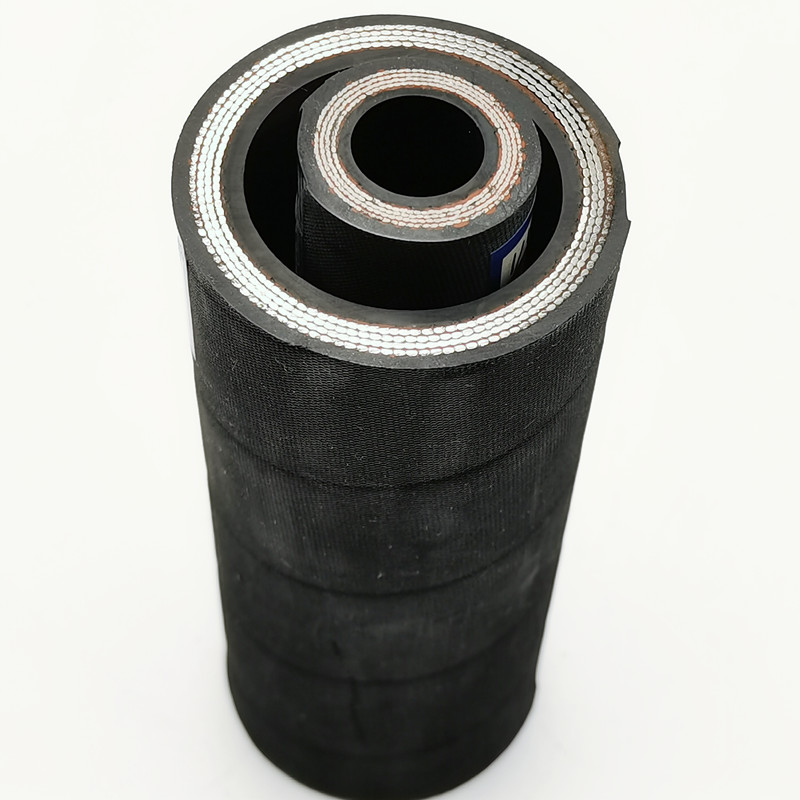
Hydraulic hose construction typically involves four key layers: the inner tube, reinforcement, cover, and sometimes an intermediate layer. The inner tube, in contact with the hydraulic fluid, is commonly composed of synthetic rubbers like nitrile (NBR), chloroprene (CR), or ethylene propylene diene monomer (EPDM). NBR excels in oil resistance, CR offers good heat and weather resistance, and EPDM demonstrates superior resistance to phosphate ester fluids. The reinforcement layer provides the pressure-containing strength and is usually constructed from multiple plies of high-tensile steel wire, textile braids (typically polyester or aramid), or a spiral-wound steel wire. Steel wire reinforcement offers the highest pressure capacity, while textile braids provide flexibility. The hose cover protects the reinforcement from abrasion, environmental degradation, and chemical attack. Common cover materials include CR, polyurethane, and nylon. Manufacturing processes vary based on hose type. Braided hoses are produced by interlacing reinforcement fibers around a mandrel forming the inner tube. Spiral hoses are manufactured by helically winding steel wire around the inner tube. Key parameters controlling hose performance include wire diameter, braid angle, ply count, rubber compound formulation (polymer type, filler content, plasticizer type and concentration), and vulcanization temperature and time. Precise control of these parameters is crucial for achieving consistent mechanical properties and fluid resistance.
Performance & Engineering
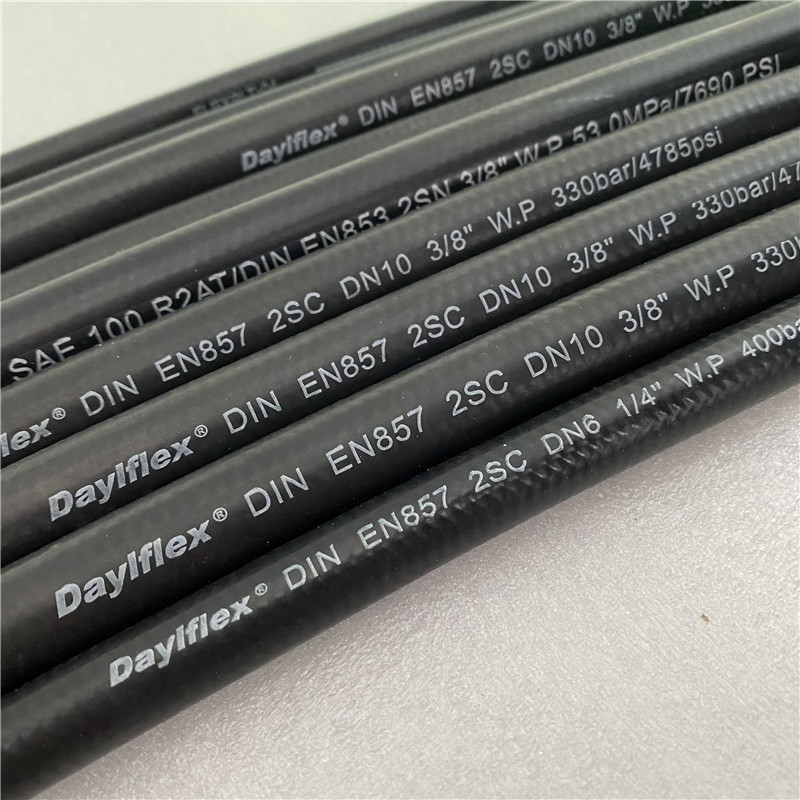
Hydraulic hose performance is dictated by several engineering principles. Burst pressure, defined as the pressure at which the hose fails catastrophically, is a primary performance metric. Working pressure is typically a fraction (e.g., 1/4 or 1/3) of the burst pressure, providing a safety factor. Hose flexibility, or bend radius, is critical in confined spaces. Tight bend radii increase stress concentrations and reduce hose life. Force analysis involves calculating hoop stress in the reinforcement layer under pressure, considering material properties (Young’s modulus, tensile strength) and geometry. Environmental resistance is paramount; hoses must withstand temperature fluctuations, UV exposure, and contact with oils, fuels, and other chemicals. Compliance requirements often include adherence to ISO standards (e.g., ISO 6899 for textile reinforced hoses, ISO 10076 for spiral wire reinforced hoses), SAE standards (e.g., SAE J517 for performance characteristics), and industry-specific regulations. Chemical compatibility must be carefully assessed; incompatible fluids can cause swelling, degradation, and ultimately, hose failure. Dynamic performance, including pulse pressure resistance and vibration damping, also necessitates engineering consideration, particularly in applications like hydraulic hammers and injection molding machines.
Technical Specifications
| Parameter | Unit | Typical Range (NBR/Steel Wire) | Typical Range (EPDM/Textile) |
|---|---|---|---|
| Working Pressure | MPa | 0.5 - 35 | 0.3 - 16 |
| Burst Pressure | MPa | 2.0 - 140 | 1.2 - 64 |
| Temperature Range | °C | -40 to +100 | -40 to +135 |
| Inner Tube Material | - | Nitrile Rubber (NBR) | Ethylene Propylene Diene Monomer (EPDM) |
| Reinforcement Type | - | Spiral Steel Wire | Braided Textile (Polyester/Aramid) |
| Cover Material | - | Chloroprene Rubber (CR) | Chloroprene Rubber (CR) |
Failure Mode & Maintenance
Common hydraulic hose failure modes include burst, leakage, kinking, abrasion, and degradation. Burst failures typically occur due to exceeding the working pressure or fatigue weakening of the reinforcement. Leakage can result from pinholes in the inner tube, damaged seals, or corrosion. Kinking restricts flow and increases pressure drop, often caused by tight bend radii or improper support. Abrasion damages the cover, exposing the reinforcement to corrosion. Degradation stems from chemical attack, UV exposure, or thermal aging, leading to loss of flexibility and strength. Failure analysis involves examining the fractured surface (using microscopy to identify failure origin), assessing the fluid compatibility, and evaluating the hose’s age and service history. Preventive maintenance includes regular visual inspections for abrasion, kinking, and leakage; checking hose connections for tightness; and ensuring proper routing and support. Replacement intervals should be based on application severity, fluid type, and manufacturer’s recommendations. Proper storage is also crucial; hoses should be stored in a cool, dry, dark environment to prevent degradation. Regular pressure testing is advised in critical applications.
Industry FAQ
Q: What are the key differences between spiral and braided hydraulic hoses, and which is more suitable for high-pressure applications?
A: Spiral hoses, utilizing a continuously wound steel wire, offer significantly higher pressure ratings and greater flexibility than braided hoses, which employ textile or steel wire braiding. The spiral construction distributes stress more evenly, allowing for higher burst pressures. Braided hoses are generally more cost-effective and suitable for lower-pressure applications where flexibility is paramount. For high-pressure systems exceeding 3000 psi, spiral hoses are the preferred choice.
Q: How does the choice of inner tube material impact hose performance and fluid compatibility?
A: The inner tube material is critical for fluid compatibility. NBR provides excellent resistance to petroleum-based oils, making it a common choice for general hydraulic applications. EPDM is preferred for phosphate ester fluids and offers superior resistance to heat and weathering. Incorrect material selection can lead to swelling, cracking, and premature failure. Always verify compatibility with the specific hydraulic fluid being used.
Q: What is the significance of the hose cover material in relation to abrasion resistance and environmental protection?
A: The hose cover protects the reinforcement layer from damage. Polyurethane covers offer exceptional abrasion resistance, making them ideal for harsh environments where hoses are exposed to abrasive particles. CR covers provide good resistance to oil, weathering, and heat. Nylon covers are commonly used for general-purpose applications.
Q: What are the common causes of hydraulic hose leaks, and how can they be prevented?
A: Common causes include damaged seals, corrosion, pinholes in the inner tube, and improper connection tightening. Prevention involves using appropriate connection methods, maintaining proper torque specifications, protecting hoses from abrasion and corrosion, and regularly inspecting for damage.
Q: How do temperature extremes affect hydraulic hose performance and lifespan?
A: Extreme temperatures can degrade the rubber compounds in the inner tube and cover, reducing flexibility and strength. High temperatures accelerate aging and can cause hardening or cracking. Low temperatures can cause brittleness and increase the risk of cracking upon bending. Selecting a hose with an appropriate temperature range for the application is crucial.
Conclusion
Selecting the appropriate hydraulic hose necessitates a thorough understanding of application requirements, material properties, and manufacturing processes. “Best price hydraulic hose factories” can offer cost-effective solutions, but it is paramount to rigorously evaluate their adherence to industry standards and quality control protocols. A comprehensive analysis of working pressure, temperature range, fluid compatibility, and environmental factors is essential to prevent premature failure and ensure safe, reliable operation.
Future advancements in hydraulic hose technology will likely focus on developing more durable materials, reducing weight, and improving resistance to harsh chemicals and extreme temperatures. Implementation of predictive maintenance strategies, leveraging sensor data and machine learning, will also play an increasingly important role in optimizing hose lifespan and minimizing downtime. Prioritizing a holistic approach encompassing material science, engineering design, and robust quality assurance remains central to achieving optimal performance and value.