
Apr . 01, 2024 17:55 Back to list
best price high pressure hydraulic hose suppliers Performance Analysis
Introduction
High-pressure hydraulic hoses are critical components in fluid power systems across diverse industries, including construction, agriculture, manufacturing, and oil & gas. These hoses are engineered to safely and efficiently transmit hydraulic fluid under extreme pressure and challenging operating conditions. The sourcing of “best price” hydraulic hoses, however, must be carefully balanced with considerations for performance, reliability, and adherence to stringent safety standards. This guide provides an in-depth technical overview of high-pressure hydraulic hoses, covering material science, manufacturing processes, performance characteristics, failure modes, and relevant industry standards. The focus will be on understanding the factors that contribute to both cost-effectiveness and long-term operational integrity. The key performance indicators (KPIs) considered in hose selection include working pressure, burst pressure, temperature range, fluid compatibility, and abrasion resistance. This document is intended for procurement managers, engineers, maintenance personnel, and anyone involved in the specification, installation, and maintenance of hydraulic hose systems.
Material Science & Manufacturing
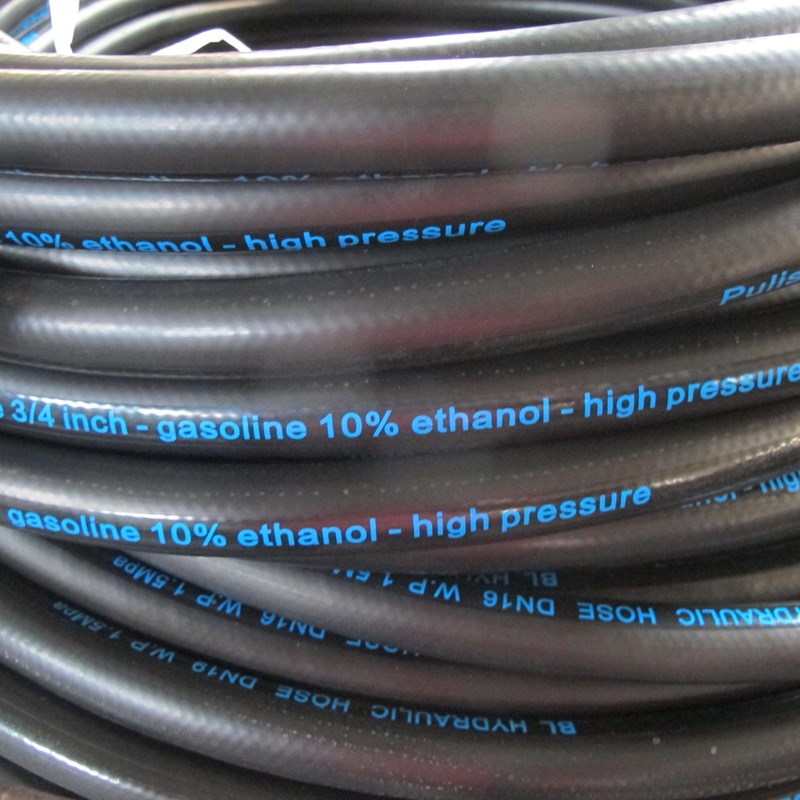
High-pressure hydraulic hoses are typically constructed from multiple layers, each serving a specific function. The inner tube, which comes into direct contact with the hydraulic fluid, is commonly made from nitrile rubber (NBR), also known as Buna-N, due to its excellent resistance to petroleum-based oils and fuels. For applications requiring compatibility with phosphate ester fluids, fluorocarbon rubber (FKM), like Viton, is preferred. The reinforcement layer provides the structural strength to withstand high pressures. This layer traditionally consists of multiple braids of high-tensile steel wire. The number of braids directly correlates to the hose’s pressure rating. Synthetic fiber reinforcements, such as polyester or aramid, are also utilized, particularly in non-metallic hoses. The outer cover, designed to protect the reinforcement layers from abrasion, weathering, and chemical exposure, is typically made from a synthetic rubber compound, such as chloroprene (CR) or polyurethane (PU).
Manufacturing processes involve extrusion for the inner tube and outer cover, followed by precisely winding and braiding the reinforcement layers. Parameter control is critical at each stage. Extrusion temperature, screw speed, and die geometry affect the tube's dimensional accuracy and material properties. Braiding tension and braid angle directly influence the hose’s burst pressure. Post-processing includes vulcanization, a curing process that cross-links the rubber polymers, enhancing their elasticity, strength, and chemical resistance. Precise control of vulcanization time and temperature is crucial to achieve optimal material properties. Quality control measures include hydrostatic testing, where the hose is subjected to pressures significantly exceeding its working pressure to verify its integrity, and impulse testing to assess its resistance to pressure pulsations.
Performance & Engineering
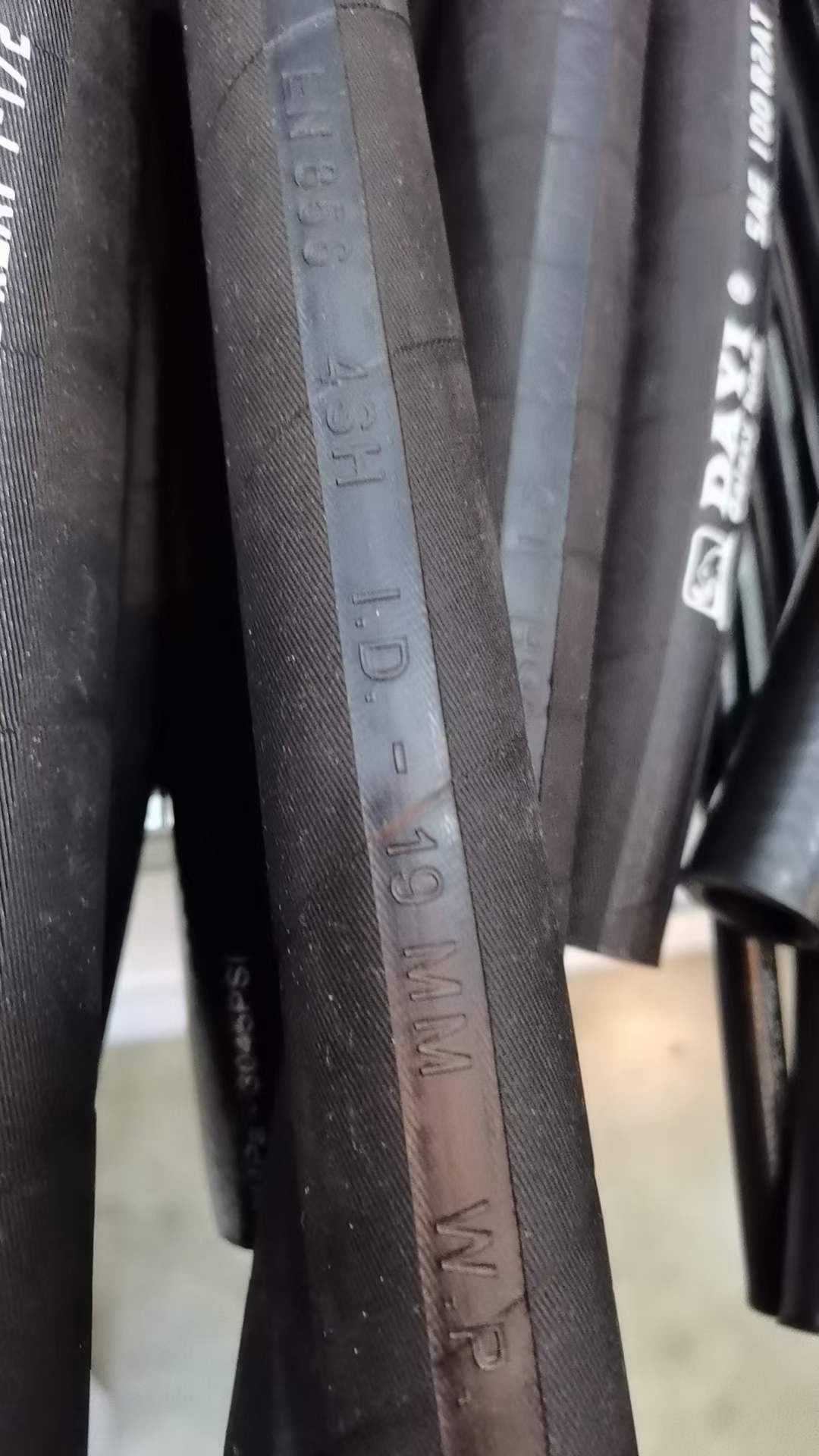
The performance of a high-pressure hydraulic hose is governed by several engineering principles. Force analysis dictates the required reinforcement strength to withstand the internal pressure. Hoop stress, calculated using the Barlow’s formula (σ = PD/2t, where σ is hoop stress, P is pressure, D is diameter, and t is wall thickness), is a primary consideration. Fatigue life is another critical factor, particularly in applications involving cyclical loading and pressure pulsations. Hose manufacturers employ finite element analysis (FEA) to simulate stress distributions and predict fatigue failure. Environmental resistance is paramount, with operating temperature range significantly impacting hose performance. Extreme temperatures can cause rubber compounds to become brittle or degrade, reducing their flexibility and strength.
Compliance requirements vary depending on the industry and application. SAE J517, for instance, defines performance standards for hydraulic hoses used in mobile hydraulics. These standards specify requirements for working pressure, burst pressure, temperature range, and fluid compatibility. Specific applications may necessitate additional certifications, such as those related to flame resistance or electrostatic dissipative properties. The selection of appropriate hose end fittings is also crucial for ensuring a leak-free and reliable connection. Fitting materials must be compatible with the hose and the hydraulic fluid, and they must be properly crimped or swaged to achieve a secure seal. Improperly installed fittings are a common cause of hydraulic hose failures.
Technical Specifications
| Parameter | Unit | Typical Value (DN20 - 1/2" ID Hose) | Test Standard |
|---|---|---|---|
| Working Pressure | MPa | 20 | SAE J517 |
| Burst Pressure | MPa | 80 | SAE J517 |
| Temperature Range | °C | -40 to +100 | SAE J517 |
| Inner Tube Material | - | Nitrile Rubber (NBR) | ASTM D2000 |
| Reinforcement | Layers | 2 Steel Wire Braid | SAE J517 |
| Outer Cover Material | - | Chloroprene (CR) | ASTM D2000 |
Failure Mode & Maintenance
Hydraulic hose failures can occur due to a variety of factors. Fatigue cracking, caused by repeated flexing and pressure pulsations, is a common failure mode, especially in hoses that are subjected to high levels of vibration. Pinholes, resulting from corrosion or abrasion, can lead to fluid leakage. Hose twisting, which introduces stress concentrations in the reinforcement layers, can also cause premature failure. External damage, such as cuts or abrasions, can compromise the hose’s integrity. Internal degradation of the rubber compounds, due to incompatible fluids or extreme temperatures, can lead to swelling, softening, or cracking.
Preventive maintenance is crucial for extending hose life and preventing catastrophic failures. Regular visual inspections should be conducted to identify any signs of damage, such as cracks, abrasions, or bulges. Hose routing should be carefully planned to minimize bending and twisting. Properly sized and installed guards should be used to protect hoses from external damage. Fluid compatibility should be verified before use. Hose assemblies should be replaced according to the manufacturer’s recommendations or after a predetermined service life. When replacing hoses, it’s essential to use compatible fittings and ensure proper crimping. Regular pressure testing can also help identify potential weaknesses before they lead to failure. A documented maintenance schedule and trained personnel are vital for proactive hose management.
Industry FAQ
Q: What is the difference between a 2-wire and a 4-wire hydraulic hose, and when should I use each?
A: The primary difference lies in the pressure rating. A 4-wire braid hose provides significantly higher burst pressure and is more suitable for applications with higher system pressures or more severe operating conditions. 2-wire hoses are typically used for lower-pressure applications. Selecting the appropriate hose depends on the maximum system pressure, safety factor requirements, and the severity of the application.
Q: How does temperature affect the performance of a hydraulic hose?
A: Extreme temperatures can degrade the rubber compounds used in the hose, impacting its flexibility, strength, and fluid resistance. High temperatures can cause the rubber to swell and soften, while low temperatures can make it brittle and prone to cracking. Always select a hose with a temperature range that is appropriate for the operating environment.
Q: What are the common causes of hydraulic hose leaks?
A: Common causes include damaged or improperly crimped fittings, internal hose degradation due to fluid incompatibility, external abrasion or cuts, and fatigue cracking. Regular inspections and proper maintenance can help prevent leaks.
Q: What is the importance of selecting the correct hydraulic fluid for the hose?
A: Fluid incompatibility can cause the inner tube material to swell, soften, or crack, leading to premature hose failure. Always verify that the hose’s inner tube material is compatible with the hydraulic fluid being used.
Q: How can I determine the appropriate working pressure for a hydraulic hose?
A: The working pressure should be based on the maximum system pressure, plus a safety factor. A common safety factor is 4:1, meaning the hose’s working pressure should be at least four times the maximum system pressure. Consult the hose manufacturer's specifications for detailed guidance.
Conclusion
The selection and maintenance of high-pressure hydraulic hoses are critical for ensuring the safe and reliable operation of hydraulic systems. A thorough understanding of material science, manufacturing processes, and performance characteristics is essential for choosing the right hose for a specific application. Balancing “best price” with long-term durability and safety is paramount. Neglecting these considerations can lead to costly downtime, equipment damage, and potential safety hazards.
Future trends in hydraulic hose technology include the development of more durable and lightweight materials, such as thermoplastic composites, and the integration of smart sensors for real-time condition monitoring. Implementing a proactive maintenance program, coupled with ongoing training for maintenance personnel, will continue to be essential for maximizing hose life and preventing failures. Continued adherence to relevant industry standards, such as SAE J517, will ensure the continued safety and reliability of hydraulic hose systems.