
Apr . 01, 2024 17:55 Back to list
best price high pressure hydraulic hose manufacturers Performance Analysis
Introduction
High-pressure hydraulic hoses are critical components in fluid power systems, responsible for the safe and efficient transmission of hydraulic fluid to actuators and other components. The “best price” designation, within this industry, is intrinsically linked to a complex interplay between material selection, manufacturing precision, and performance characteristics. These hoses find application across diverse sectors including construction, agriculture, manufacturing, oil & gas, and material handling. The primary function is to convey pressurized fluid, typically hydraulic oil, under potentially extreme conditions. The market for these hoses is heavily influenced by the demand for durable, reliable, and cost-effective solutions, particularly in emerging economies. This guide provides a comprehensive technical overview of high-pressure hydraulic hoses, encompassing material science, manufacturing processes, performance criteria, failure analysis, and relevant industry standards. A key pain point in the industry is balancing cost optimization with maintaining critical performance metrics like burst pressure, working pressure, and service life, particularly given the demands for extended operational intervals and minimized downtime.
Material Science & Manufacturing
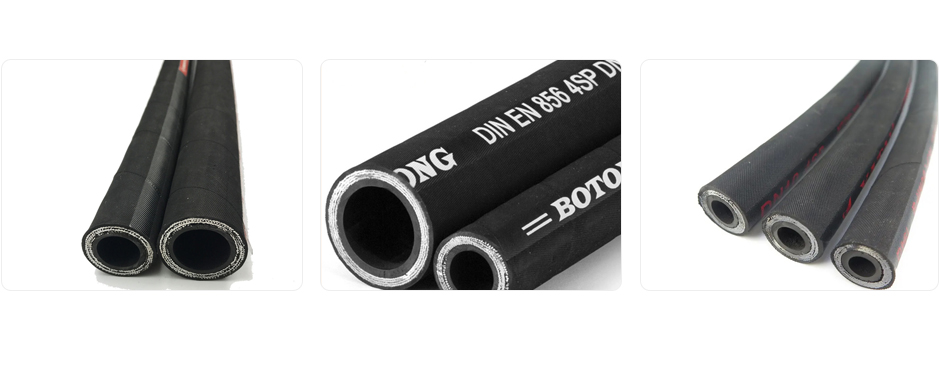
The construction of high-pressure hydraulic hoses typically involves four key layers: the inner tube, reinforcement layers, outer cover, and often, an adhesive layer binding these components. The inner tube, which directly contacts the hydraulic fluid, is commonly manufactured from nitrile rubber (NBR), also known as Buna-N, due to its excellent resistance to petroleum-based fluids. Alternative materials like chlorinated polyethylene (CPE) are used for improved resistance to ozone and weathering. Reinforcement layers are critical for withstanding high pressures and are typically composed of multiple braids or spirals of high-tensile steel wire. The number of layers and wire diameter directly impact the hose's working pressure and burst pressure. Outer covers are usually made from synthetic rubbers like polyurethane or chloroprene (Neoprene), providing abrasion resistance, weather protection, and resistance to oil and chemicals. Manufacturing processes vary based on hose type. Braided hoses utilize a helical winding of steel wire around a mandrel, followed by vulcanization. Spiral hoses employ a continuous winding of steel wire, also followed by vulcanization. Key process parameters include wire tension, winding angle, vulcanization temperature, and pressure, all of which must be precisely controlled to ensure consistent hose performance. Adhesive bonding between layers is crucial for load sharing and preventing separation under pressure, with epoxy resins frequently employed. Steel wire pre-treatment (cleaning and coating) is vital to prevent corrosion and ensure adhesion.
Performance & Engineering
Hydraulic hose performance is governed by several key engineering principles. Burst pressure, working pressure, and safety factor are paramount. Burst pressure is the pressure at which the hose fails catastrophically, while working pressure is the maximum continuous operating pressure, typically determined as a fraction (e.g., 1/4) of the burst pressure. The safety factor provides a margin for transient pressure spikes and dynamic loading. Hose flexibility and bend radius are also critical considerations, influencing ease of installation and minimizing stress concentrations. Force analysis involves evaluating hoop stress within the hose wall due to internal pressure, and axial stress due to tensile loads. Environmental resistance is crucial; hoses must withstand exposure to temperature extremes, UV radiation, ozone, and various chemicals. Compliance with industry standards (detailed in the footer) mandates specific testing procedures for pressure testing, impulse testing (simulating pulsating pressure), and temperature cycling. Hose end fittings (crimped or swaged onto the hose) represent a significant failure point, requiring careful selection based on pressure rating, fluid compatibility, and connection type (e.g., SAE J1926 straight thread, SAE J514 flange). Finite Element Analysis (FEA) is increasingly used to optimize hose designs and predict stress distribution under complex loading conditions.
Technical Specifications
| Parameter | Unit | Typical Value (EN 853 1SN Hose) | Typical Value (SAE 100R2AT Hose) |
|---|---|---|---|
| Working Pressure | MPa | 16 | 14 |
| Burst Pressure | MPa | 48 | 42 |
| Minimum Bend Radius | mm | 4D (D=Hose ID) | 6D (D=Hose ID) |
| Temperature Range | °C | -40 to +100 | -40 to +100 |
| Reinforcement | - | 1 Spiral of Steel Wire | 2 Wire Braids |
| Inner Tube | - | NBR (Acrylonitrile Butadiene Rubber) | Synthetic Rubber |
Failure Mode & Maintenance
Common failure modes in high-pressure hydraulic hoses include burst failure (due to exceeding working pressure or fatigue), pinhole leaks (caused by internal degradation or abrasion), and end fitting failure (resulting from corrosion, improper crimping, or excessive load). Fatigue cracking is a significant concern, particularly in applications with pulsating pressures. Delamination occurs when the reinforcement layers separate from the inner tube or outer cover, typically due to inadequate bonding or prolonged exposure to harsh environments. Oxidation of the rubber compounds can lead to hardening and cracking, reducing flexibility and increasing susceptibility to failure. External abrasion, particularly in construction and mining applications, can wear through the outer cover, exposing the reinforcement layers. Maintenance practices should include regular visual inspections for signs of wear, cracking, or leaks. Hose routing should minimize bending and abrasion. Proper end fitting selection and installation are critical. Fluid contamination should be minimized through filtration. When replacing hoses, always use the correct specifications (pressure rating, size, and fluid compatibility). Periodically check crimp connections for tightness and corrosion. A proactive maintenance schedule based on operating hours and environmental conditions can significantly extend hose service life and prevent catastrophic failures.
Industry FAQ
Q: What is the difference between 1SN and 2SN hydraulic hoses, and how does it impact cost?
A: 1SN hoses have a single layer of steel wire reinforcement, while 2SN hoses have two. This doubling of reinforcement significantly increases the hose’s working and burst pressure ratings, enhancing its safety and durability. Consequently, 2SN hoses are more expensive due to the increased material cost and manufacturing complexity. Choosing between the two depends on the application's specific pressure requirements. For lower-pressure systems, 1SN may suffice, offering a cost-effective solution.
Q: How does temperature affect the performance and lifespan of a hydraulic hose?
A: Extreme temperatures, both high and low, can significantly impact hose performance. High temperatures accelerate rubber degradation, reducing flexibility and increasing the risk of cracking. Low temperatures can cause rubber to become brittle, making it more susceptible to damage. The specified temperature range for a hose should always be observed. Selecting a hose material with a wider operating temperature range can mitigate these risks.
Q: What is the importance of proper hose end fitting crimping?
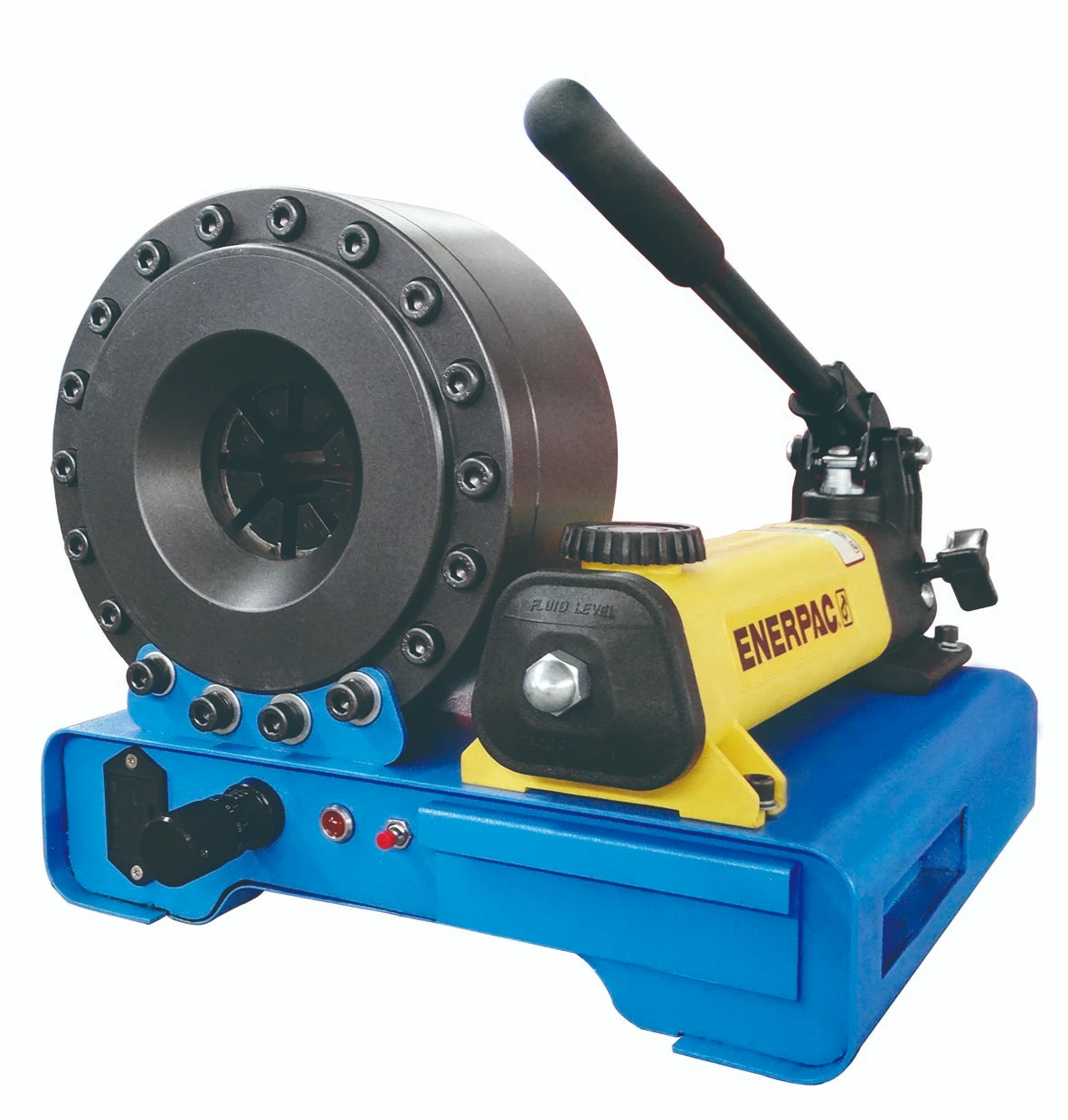
A: Proper crimping is paramount for a secure and leak-proof connection. Undercrimping can lead to fitting blow-off under pressure, while overcrimping can damage the hose reinforcement, compromising its integrity. Using the correct crimping die and following the manufacturer’s specifications are critical. Regular inspection of crimped connections for signs of corrosion or loosening is also essential.
Q: How does fluid compatibility affect hydraulic hose selection?
A: Selecting a hose with an inner tube material compatible with the hydraulic fluid is crucial. Incompatible fluids can cause swelling, softening, or degradation of the inner tube, leading to leaks and premature failure. For example, using a hose designed for petroleum-based fluids with phosphate ester fluids will likely result in rapid degradation. Always verify fluid compatibility before installation.
Q: What are the key considerations when specifying a hose for a pulsating pressure application?
A: Pulsating pressure creates dynamic stress on the hose, accelerating fatigue. For such applications, a hose with a higher impulse rating (number of pressure cycles it can withstand) is essential. Spiral-wound hoses generally perform better under pulsating pressure than braided hoses due to their more flexible construction. Proper hose routing to minimize bending and vibration is also important.
Conclusion
High-pressure hydraulic hoses are vital components demanding careful consideration of material science, manufacturing precision, and operational parameters. The pursuit of “best price” must not compromise essential performance attributes such as burst pressure, working pressure, and longevity. Understanding the nuances of hose construction, including inner tube materials, reinforcement layer configurations, and outer cover properties, is critical for selecting the optimal hose for a given application.
Future advancements in hydraulic hose technology will likely focus on the development of lighter-weight materials, improved abrasion resistance, and enhanced fluid compatibility. The integration of smart sensors within hoses for real-time monitoring of pressure, temperature, and wear will also become increasingly prevalent, enabling predictive maintenance and minimizing downtime. Adherence to stringent industry standards and rigorous quality control processes remain fundamental to ensuring the safe and reliable operation of hydraulic systems.