
Apr . 01, 2024 17:55 Back to list
best price high pressure hydraulic hose manufacturer Performance Analysis

Introduction
High-pressure hydraulic hoses are critical components in fluid power systems, facilitating the transmission of force via pressurized fluids. Positioned within the industrial chain as a final component impacting system performance and reliability, these hoses are subject to stringent requirements in sectors ranging from construction and agriculture to manufacturing and aerospace. Their primary function is to reliably convey hydraulic fluid under substantial pressure, enabling the operation of hydraulic machinery. Core performance characteristics center around burst pressure, working pressure, temperature range, and fluid compatibility. The demand for "best price" solutions must be carefully balanced against critical safety and longevity considerations. Selecting an appropriate hose requires detailed understanding of application parameters, fluid type, operating environment and adherence to relevant industry standards. Failure in a hydraulic hose can lead to system downtime, environmental hazards, and potential personnel injury, highlighting the importance of robust design and material selection.
Material Science & Manufacturing
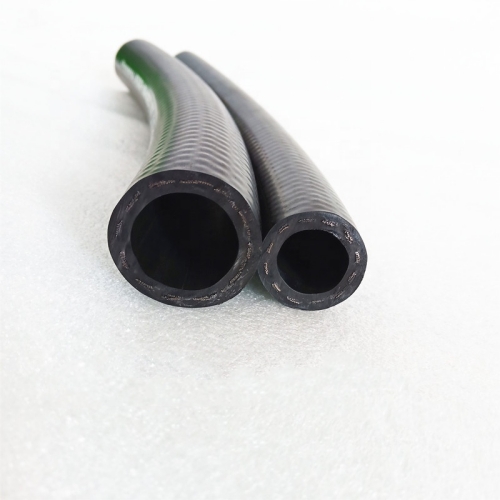
The construction of high-pressure hydraulic hoses typically involves four key layers: the inner tube, reinforcement layers, and the outer cover. The inner tube, which directly contacts the hydraulic fluid, is commonly composed of synthetic rubbers like nitrile (NBR), ethylene propylene diene monomer (EPDM), or fluorocarbon (FKM – Viton). NBR provides excellent resistance to petroleum-based oils, while EPDM excels in phosphate ester fluid compatibility and high-temperature applications. FKM delivers superior resistance to a broad range of aggressive fluids and extreme temperatures. Reinforcement layers provide the structural strength to withstand high pressures. These are commonly braided or spiraled from high-tensile steel wire, or increasingly, aramid fiber for applications demanding weight reduction and flexibility. The outer cover, typically made from synthetic rubbers like polyurethane or chloroprene, offers abrasion, ozone, and weathering resistance. Manufacturing processes begin with extrusion of the inner tube and outer cover. Reinforcement layers are then applied via automated winding or braiding machines. Precise control of reinforcement layer density and angle is critical for achieving the specified pressure ratings. The hose assembly is then cured using vulcanization – a process that cross-links the rubber polymers, enhancing its strength, elasticity, and resistance to degradation. Quality control checks throughout the process, including pressure testing to 1.5 times the working pressure, are essential to ensure product integrity. Parameter control focuses on rubber compound formulation, extrusion temperature, reinforcement tension, and curing time/temperature profiles.
Performance & Engineering
Hydraulic hose performance is dictated by a complex interplay of mechanical stresses, fluid dynamics, and environmental factors. Force analysis centers on hoop stress within the hose wall, which is directly proportional to the internal pressure and hose diameter, and inversely proportional to the wall thickness. Reinforcement layers are engineered to resist this stress and prevent hose rupture. Fatigue analysis is crucial, particularly in applications involving cyclical pressure loading. Repeated pressure fluctuations can lead to fatigue cracking and eventual failure. Environmental resistance is another key consideration. Exposure to extreme temperatures, UV radiation, ozone, and corrosive chemicals can degrade the rubber materials, reducing their flexibility and strength. Compliance requirements vary by region and industry. For instance, SAE J517 (USA) and EN 853/857 (Europe) define performance standards for hydraulic hoses, specifying burst pressure, working pressure, temperature range, and fluid compatibility. Functional implementation involves selecting the appropriate hose end fittings – commonly crimped, swaged, or threaded – to ensure a leak-free and mechanically secure connection. The fitting material must be compatible with both the hose and the hydraulic fluid, and the crimp dimensions must be carefully controlled to prevent loosening or damage to the hose reinforcement.
Technical Specifications
| Parameter | Unit | SAE 100R2AT | SAE 100R6 |
|---|---|---|---|
| Working Pressure | MPa | 31.5 | 21.0 |
| Burst Pressure | MPa | 105 | 63 |
| Temperature Range | °C | -40 to +100 | -40 to +82 |
| Inner Tube Material | - | Synthetic Rubber (NBR) | Synthetic Rubber (NBR) |
| Reinforcement | - | Two Steel Wire Braids | Single Steel Wire Braid |
| Outer Cover | - | Synthetic Rubber (SBR) | Synthetic Rubber (SBR) |
Failure Mode & Maintenance
High-pressure hydraulic hoses are susceptible to several failure modes. Fatigue cracking, initiated by cyclical pressure loading, is a common cause of failure, often starting at the fitting crimp or within the reinforcement layers. Delamination occurs when the reinforcement layers separate from the inner tube or outer cover, reducing the hose's ability to withstand pressure. Degradation of the rubber materials, caused by exposure to heat, ozone, UV radiation, or incompatible fluids, leads to loss of flexibility and cracking. Oxidation, particularly in unsaturated rubbers, causes hardening and embrittlement. External damage, such as abrasion, cuts, or punctures, can compromise the hose's integrity. Maintenance involves regular visual inspections for signs of wear, cracking, or swelling. Hoses should be replaced immediately if any damage is detected. Proper routing and support are crucial to prevent abrasion and kinking. Avoid sharp bends and ensure adequate clearance from moving parts. Fluid compatibility should be verified before use, and regular fluid analysis can help identify contaminants that could accelerate hose degradation. Crimped fittings should be inspected for tightness and corrosion. For long-term storage, hoses should be stored in a cool, dry, and dark environment to minimize degradation.
Industry FAQ
Q: What is the impact of fluid velocity on hydraulic hose life?
A: Higher fluid velocity increases frictional heat generation and can accelerate the erosion of the inner tube, particularly with abrasive fluids. It also increases the risk of cavitation, which can cause pitting and damage to the hose lining. Maintaining fluid velocity within recommended limits, typically specified by the hose manufacturer, is crucial for maximizing hose life.
Q: How does temperature affect the working pressure of a hydraulic hose?
A: Elevated temperatures reduce the tensile strength of the rubber materials, lowering the hose's ability to withstand pressure. Working pressure ratings are typically specified at a standard temperature (e.g., 70°C). Derating factors are applied to adjust the working pressure for higher operating temperatures. Consult the hose manufacturer's specifications for specific derating curves.
Q: What are the advantages of using aramid reinforcement versus steel wire reinforcement?
A: Aramid fiber reinforcement offers a significant weight reduction compared to steel wire, improving system efficiency and handling. It also provides excellent flexibility, making it suitable for tight bends and confined spaces. However, aramid reinforcement typically has a lower burst pressure capacity than steel wire.
Q: How do I select the correct hose end fittings?
A: The fitting material must be compatible with the hose and the hydraulic fluid to prevent corrosion or degradation. The fitting type (e.g., crimped, swaged, threaded) must be appropriate for the hose construction and application requirements. The crimp dimensions must be precise to ensure a leak-free and mechanically secure connection. Always follow the hose manufacturer's recommendations for fitting selection and installation.
Q: What is the role of hose guards in extending hose life?
A: Hose guards provide physical protection against abrasion, cuts, punctures, and other external damage. They are particularly important in applications where hoses are exposed to harsh environments or operate near moving parts. Properly installed hose guards can significantly extend hose life and prevent catastrophic failures.
Conclusion
The selection and implementation of high-pressure hydraulic hoses are critical engineering considerations, demanding a comprehensive understanding of material science, manufacturing processes, and performance characteristics. Achieving optimal “best price” solutions requires balancing cost-effectiveness with long-term reliability, safety, and compliance with industry standards. A thorough assessment of application parameters, including pressure, temperature, fluid compatibility, and environmental conditions, is paramount.
Continual monitoring, proactive maintenance, and adherence to recommended operating procedures are essential for maximizing hose life and preventing costly downtime. As material technologies advance, with the development of more durable and chemically resistant polymers and reinforcement materials, the performance and longevity of hydraulic hoses will continue to improve. Future trends include the increasing use of smart hoses with integrated sensors for real-time monitoring of pressure, temperature, and leakage.