
Apr . 01, 2024 17:55 Back to list
best price high pressure hydraulic hose factory Performance Analysis
Introduction
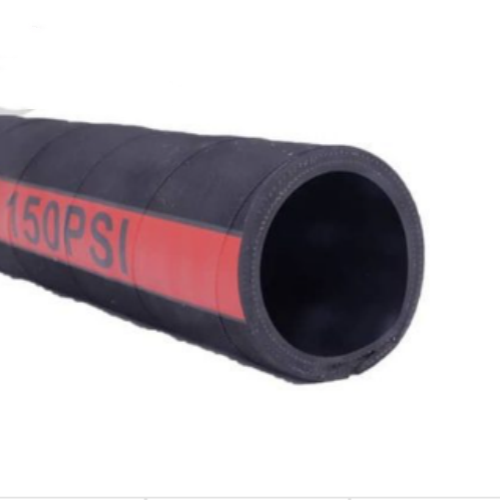
High-pressure hydraulic hose constitutes a critical component within fluid power systems, responsible for the safe and efficient transmission of hydraulic fluid to actuators and other system components. This guide provides an in-depth technical analysis of best price high pressure hydraulic hose factory’s offerings, encompassing material science, manufacturing processes, performance characteristics, failure modes, and relevant industry standards. Hydraulic hoses are differentiated by working pressure, burst pressure, temperature range, fluid compatibility, and hose construction (e.g., wire-braided, spiral-wrapped). The increasing demands for higher operating pressures in heavy equipment, industrial machinery, and mobile hydraulics necessitate hoses capable of withstanding extreme conditions while maintaining long-term reliability. The core challenge within the industry centers around balancing cost-effectiveness with performance requirements and ensuring adherence to stringent safety regulations. This document serves as a resource for procurement managers, engineers, and maintenance personnel involved in the specification, installation, and maintenance of hydraulic hose systems.
Material Science & Manufacturing
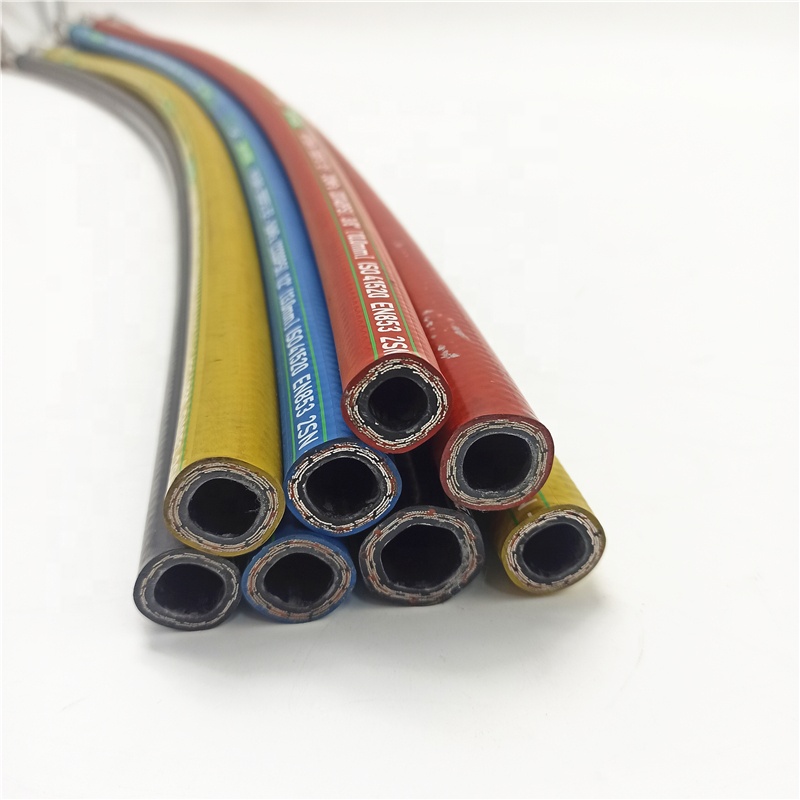
The primary materials used in high-pressure hydraulic hose construction are synthetic rubbers for the inner tube, reinforcement layers typically comprised of high-tensile steel wire, and an outer cover providing abrasion and environmental protection. Common inner tube materials include nitrile rubber (NBR) for petroleum-based fluids, ethylene propylene diene monomer (EPDM) for phosphate ester fluids, and fluorocarbon rubber (FKM/Viton) for aggressive chemicals and high temperatures. The selection of the inner tube material is critical for ensuring fluid compatibility and preventing degradation. Reinforcement layers are crucial for withstanding internal pressure. Steel wire is commonly used in single or multiple braid configurations. Spiral reinforcement, using high-tensile steel wire wound in a spiral, offers increased flexibility and higher pressure ratings. Outer covers are usually made of synthetic rubbers like polyurethane, providing resistance to abrasion, oil, ozone, and weathering.
Manufacturing processes include extrusion of the inner tube and outer cover, calendaring of reinforcement layers, and assembly using a winding or braiding process. Extrusion parameters – temperature, screw speed, and die design – are meticulously controlled to ensure consistent tube dimensions and material properties. Braiding involves interlacing steel wires at a specific angle, impacting hose flexibility and burst pressure. Spiral winding involves continuously wrapping steel wire around the inner tube under tension. Quality control measures at each stage are vital, including dimensional checks, tensile testing of materials, and pressure testing of finished hoses. Post-curing processes are employed to enhance the rubber’s mechanical properties and dimensional stability. Proper vulcanization is vital for achieving optimal rubber crosslinking and preventing premature failure. The consistency of the reinforcement layer’s wire diameter and winding/braiding tension directly impacts the hose’s ability to withstand pressure fluctuations and fatigue.
Performance & Engineering
The performance of a high-pressure hydraulic hose is dictated by its ability to withstand internal pressure, external damage, and environmental factors. Force analysis involves calculating the hoop stress within the hose wall due to internal pressure, considering the material properties and reinforcement configuration. Burst pressure, typically four times the working pressure, is a critical safety parameter. Fatigue life is determined by repeated pressure cycling, which can lead to crack initiation and propagation in the reinforcement layers or rubber compounds. Environmental resistance, including temperature extremes, ozone exposure, and chemical attack, impacts hose longevity. The hose must maintain its flexibility and dimensional stability across the specified operating temperature range.
Engineering considerations include hose bend radius, which affects the stress concentration at the bend point. Exceeding the minimum bend radius can cause kinking and premature failure. Hose assembly practices, including the selection of appropriate fittings and crimping procedures, are crucial for ensuring a secure and leak-free connection. Fittings must be compatible with both the hose material and the hydraulic fluid. Crimping pressure must be optimized to create a robust mechanical interlock without damaging the hose. Compliance requirements, such as those outlined in SAE J517 and EN 853, mandate specific performance criteria and testing procedures for hydraulic hoses. Electrostatic discharge (ESD) is also a consideration when handling certain fluids, requiring the use of conductive hoses and fittings.
Technical Specifications
| Parameter | Unit | Specification (Typical) | Testing Standard |
|---|---|---|---|
| Working Pressure | MPa | 25 | SAE J517 |
| Burst Pressure | MPa | 100 | SAE J517 |
| Temperature Range | °C | -40 to +100 | SAE J517 |
| Inner Tube Material | - | Nitrile Rubber (NBR) | ASTM D2000 |
| Reinforcement | - | Two Steel Wire Braids | ASTM A938 |
| Outer Cover Material | - | Polyurethane | ASTM D2000 |
Failure Mode & Maintenance
Common failure modes for high-pressure hydraulic hoses include burst failure due to exceeding the working pressure, pinhole leaks resulting from abrasion or chemical attack, and fitting failure due to improper crimping or corrosion. Fatigue cracking, initiated by repeated pressure cycling and bending, can propagate in the reinforcement layers leading to catastrophic failure. External damage, such as cuts or abrasions, can compromise the hose’s integrity. Internal degradation of the rubber compounds due to fluid incompatibility or oxidation can reduce the hose’s flexibility and strength.
Preventive maintenance is crucial for extending hose life and preventing failures. Regular visual inspections should be conducted to identify signs of damage, such as cracks, abrasions, and leaks. Hose assemblies should be replaced periodically based on manufacturer recommendations and operating conditions. Proper routing and support are essential to prevent excessive bending and abrasion. Avoid sharp bends and ensure adequate clearance between the hose and surrounding components. When replacing hoses, use only compatible fittings and follow the manufacturer’s recommended crimping procedures. Fluid contamination can accelerate hose degradation; therefore, maintain proper filtration and fluid cleanliness. For hoses exposed to harsh environments, consider using protective sleeves or guards. Implementing a documented hose management program, including hose identification, inspection records, and replacement schedules, can significantly reduce the risk of failures and improve system reliability.
Industry FAQ
Q: What is the impact of impulse pressure on hydraulic hose life?
A: Impulse pressure, or pressure surges, significantly reduces hose fatigue life. Each surge imparts a dynamic stress on the hose reinforcement, accelerating crack initiation and propagation. Mitigation strategies include using hoses specifically designed for high-impulse applications (typically featuring enhanced reinforcement), employing accumulators to dampen pressure fluctuations, and implementing slow-close valves to reduce shock loads.
Q: How does fluid temperature affect hose performance and selection?
A: Elevated temperatures accelerate rubber degradation and reduce the hose’s strength and flexibility. Conversely, low temperatures can cause rubber to stiffen and become brittle. The hose material must be compatible with the fluid’s operating temperature range. FKM/Viton hoses are preferred for high-temperature applications, while specific NBR compounds are formulated for low-temperature flexibility.
Q: What are the key considerations when selecting hose fittings?
A: Fitting material must be compatible with both the hose and the fluid being conveyed. Fitting pressure ratings must exceed the hose’s working pressure. Crimping procedures must be precise to ensure a secure and leak-free connection. Thread type and size must match the port on the hydraulic system. Consider using anti-vibration fittings in applications with significant vibration.
Q: What is the difference between wire-braided and spiral-wrapped hoses?
A: Wire-braided hoses offer excellent pressure ratings and abrasion resistance but are less flexible. Spiral-wrapped hoses provide greater flexibility and are suitable for applications requiring tight bends. Spiral hoses generally have higher pressure ratings than braided hoses of comparable size. The choice depends on the specific application requirements.
Q: How do I determine the proper hose length for an application?
A: Hose length should account for the distance between connection points, the required bend radius, and any potential movement or vibration in the system. Avoid excessive hose length, as this can lead to whip and increased pressure drop. It’s recommended to add a small amount of slack to accommodate thermal expansion and contraction.
Conclusion
High-pressure hydraulic hose selection and maintenance are critical to the reliable operation of hydraulic systems. Understanding the interplay between material science, manufacturing processes, and performance parameters is essential for specifying the appropriate hose for a given application. The failure modes discussed highlight the importance of preventative maintenance and adherence to industry best practices.
Advancements in hose technology continue to focus on developing materials with improved temperature resistance, chemical compatibility, and fatigue life. Furthermore, the increasing adoption of predictive maintenance techniques, utilizing sensor data to monitor hose condition, promises to enhance system reliability and reduce downtime. Ultimately, a comprehensive approach to hydraulic hose management, encompassing careful selection, proper installation, and diligent maintenance, is the key to maximizing performance and ensuring safety.