
Apr . 01, 2024 17:55 Back to list
best price high pressure hydraulic hose factories Performance Analysis
Introduction
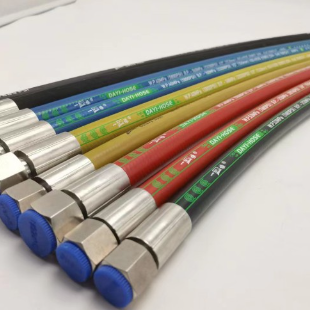
High-pressure hydraulic hoses are critical components in fluid power systems, facilitating the transmission of energy in a wide range of industrial and mobile applications. The market for best price high-pressure hydraulic hose factories is driven by demand from construction, agriculture, manufacturing, oil & gas, and material handling sectors. These hoses must reliably withstand extreme pressures, temperatures, and exposure to harsh chemicals. Performance is dictated by hose construction – materials, reinforcement layers, and end fitting compatibility – impacting operational safety and system efficiency. The core challenge for purchasers lies in balancing cost-effectiveness with long-term durability, safety standards adherence, and application-specific performance requirements. This guide provides an in-depth analysis of the materials, manufacturing processes, performance characteristics, potential failure modes, and industry standards governing high-pressure hydraulic hoses, specifically focusing on considerations relevant to sourcing from best price manufacturers.
Material Science & Manufacturing
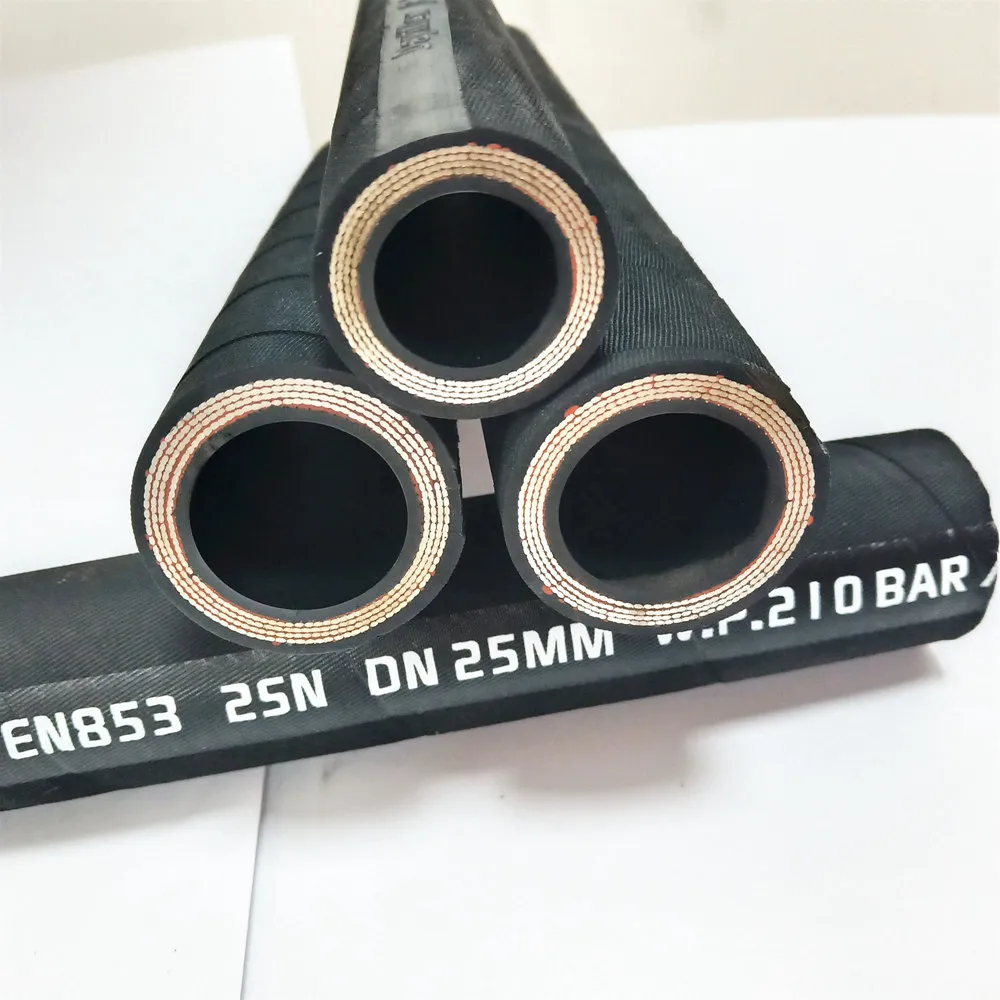
The construction of a high-pressure hydraulic hose typically involves four key layers: the inner tube, reinforcement layers, outer cover, and end fittings. The inner tube, in direct contact with the hydraulic fluid, is commonly composed of synthetic rubbers such as Nitrile (NBR), Ethylene Propylene Diene Monomer (EPDM), or Fluorocarbon (FKM – Viton). NBR provides excellent resistance to petroleum-based fluids, making it a prevalent choice for general hydraulic applications. EPDM excels in phosphate ester fluid compatibility and high-temperature resistance, finding use in specialized systems. FKM offers superior resistance to a broad spectrum of chemicals and extreme temperatures, making it ideal for aerospace and corrosive environments. Reinforcement layers provide the necessary strength to withstand high pressures. These layers are typically constructed from braided steel wire (single or multiple layers), spiral wound steel wire, or synthetic fiber braids. Steel braid offers high tensile strength and burst pressure resistance, while spiral wound construction provides greater flexibility. The outer cover, protecting the reinforcement layers from abrasion, weathering, and chemical attack, is usually made from a synthetic rubber compound like Polyurethane (PU) or Chlorinated Polyethylene (CPE). PU provides excellent abrasion and oil resistance, while CPE offers superior weather and ozone resistance. Manufacturing processes include extrusion for the inner tube and outer cover, braiding or winding for reinforcement, and vulcanization to bond the layers. Precise control of temperature, pressure, and cure time during vulcanization is critical to achieving optimal material properties and hose performance. End fitting attachment is typically achieved through swaging or crimping, requiring precise tooling and quality control to ensure a secure and leak-proof connection.
Performance & Engineering
High-pressure hydraulic hose performance is governed by several critical parameters. Burst pressure, the maximum pressure the hose can withstand before rupture, is a primary safety metric, typically tested per SAE J517 standards. Working pressure, significantly lower than burst pressure, represents the recommended operating pressure for extended service life, often specified as a fraction of burst pressure (e.g., 1/4). Tensile strength, the resistance to axial force, is crucial for applications involving bending and pulling. Flex impulse, the hose’s ability to withstand repeated pressure pulses, is particularly important in dynamic systems. Temperature range dictates the operating limits of the hose; exceeding these limits can lead to material degradation and failure. Fluid compatibility is paramount, as incompatible fluids can cause swelling, softening, or cracking of the inner tube. Hose assembly integrity – the connection between the hose and end fittings – is critical for preventing leaks and ensuring safety. Finite element analysis (FEA) is frequently employed in the design process to optimize hose geometry and reinforcement layer configuration to maximize performance and minimize weight. Consideration must also be given to environmental factors, such as exposure to UV radiation, ozone, and salt spray, which can degrade the outer cover and reduce hose lifespan. Proper hose routing and support are essential to prevent kinking, abrasion, and excessive bending, which can compromise structural integrity.
Technical Specifications
| Parameter | Unit | Typical Value (NBR/Steel Braid) | Typical Value (FKM/Spiral Steel) |
|---|---|---|---|
| Working Pressure | MPa | 31.5 | 48.3 |
| Burst Pressure | MPa | 126 | 193 |
| Temperature Range | °C | -40 to +100 | -26 to +204 |
| Inner Diameter | mm | 12.7 | 19.1 |
| Outer Diameter | mm | 19.1 | 25.4 |
| Minimum Bend Radius | mm | 152 | 203 |
Failure Mode & Maintenance
Hydraulic hose failures can stem from various factors. Fatigue cracking, caused by repeated flexing and pressure cycles, is a common failure mode, particularly in applications with high dynamic loads. Abrasion, resulting from contact with abrasive surfaces, can damage the outer cover, exposing the reinforcement layers to corrosion. Corrosion, triggered by exposure to moisture, salt, or corrosive fluids, can weaken the reinforcement layers and lead to rupture. Improper installation, such as over-tightening or incorrect routing, can create stress concentrations and accelerate fatigue failure. Fluid incompatibility can cause the inner tube to swell, soften, or crack, resulting in leaks. Kinking, caused by excessive bending, can restrict fluid flow and lead to localized pressure build-up, potentially causing rupture. To mitigate these failures, regular inspection is crucial. Look for signs of cracking, abrasion, swelling, or leaks. Maintain proper fluid levels and ensure fluid compatibility. Route hoses to avoid sharp bends and abrasive surfaces. Properly support hoses to prevent sagging and excessive stress. Replace hoses at recommended intervals or whenever damage is detected. When replacing hoses, always use compatible end fittings and ensure proper crimping or swaging procedures are followed. Records of hose replacement and inspection should be maintained for traceability and proactive maintenance scheduling.
Industry FAQ
Q: What is the significance of the SAE J517 standard in hydraulic hose selection?
A: SAE J517 is a critical standard for hydraulic hose performance. It defines testing procedures and performance requirements for hose burst pressure, working pressure, and temperature range. Compliance with SAE J517 ensures a baseline level of safety and reliability. Manufacturers quoting hoses based on this standard provide a common benchmark for comparison. Different performance classes within J517 cater to varying pressure and temperature demands.
Q: How does the reinforcement layer impact hose flexibility and burst pressure?
A: The reinforcement layer directly affects both flexibility and burst pressure. Steel braid reinforcement provides high tensile strength and burst resistance but typically results in lower flexibility. Spiral wound steel reinforcement offers higher flexibility while still maintaining excellent burst pressure capabilities. Synthetic fiber braids (e.g., aramid) provide good flexibility and moderate burst pressure resistance, often used in applications where weight reduction is important.
Q: What are the implications of using an incompatible hydraulic fluid with a specific hose material?
A: Using an incompatible fluid can lead to severe hose degradation. Incompatible fluids can cause the inner tube to swell, soften, or crack, leading to leaks and potential failure. For example, using petroleum-based fluids with an EPDM inner tube can cause swelling and reduced lifespan. Always consult a fluid compatibility chart to ensure the hose material is compatible with the intended fluid.
Q: What preventative measures can be taken to minimize hose fatigue failure?
A: To minimize fatigue failure, several preventative measures are essential. Proper hose routing to avoid sharp bends and abrasion is critical. Utilize hose guards or supports to prevent sagging and excessive stress. Select a hose with an appropriate bend radius for the application. Avoid excessive pressure spikes and maintain stable operating pressures. Regularly inspect hoses for signs of cracking or wear.
Q: How important is proper crimping technique when attaching end fittings?
A: Proper crimping is paramount for hose assembly integrity. Incorrect crimping – either under-crimping or over-crimping – can significantly reduce the hose’s burst pressure and lead to premature failure. Under-crimping may result in leakage, while over-crimping can damage the hose reinforcement and reduce its strength. Utilize calibrated crimping tools and follow manufacturer’s recommendations for crimp specifications.
Conclusion
The selection of high-pressure hydraulic hoses requires a comprehensive understanding of material science, manufacturing processes, performance characteristics, and potential failure modes. Sourcing from "best price" manufacturers necessitates a rigorous evaluation process, focusing not solely on initial cost but also on long-term reliability, compliance with industry standards, and application-specific performance. Optimizing hose selection and implementing preventative maintenance practices are crucial for maximizing operational efficiency and ensuring the safety of hydraulic systems.
Continued advancements in hydraulic hose technology are focused on developing lighter-weight, more durable, and more chemically resistant hoses. Future trends include the use of advanced polymer materials, improved reinforcement layer designs, and smart hose technologies with integrated sensors for real-time monitoring of hose condition. A proactive approach to hose management, incorporating regular inspection, data analysis, and predictive maintenance, will be essential for minimizing downtime and maximizing return on investment.