
Apr . 01, 2024 17:55 Back to list
balflex hydraulic hose Performance Analysis
Introduction
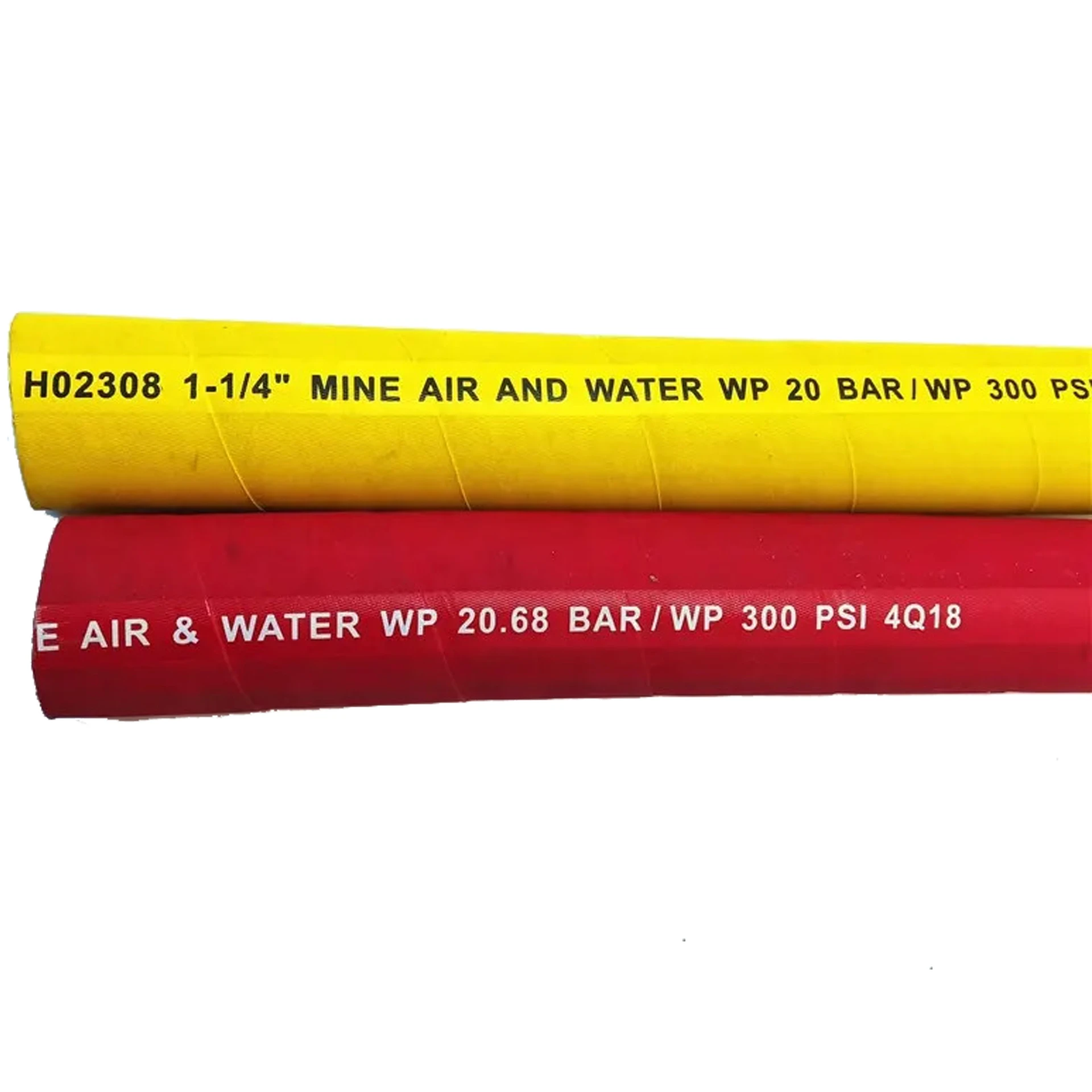
Balflex hydraulic hose represents a critical component in fluid power systems across a diverse range of industrial applications, including construction machinery, agricultural equipment, material handling, and manufacturing. Positioned within the hydraulic system as the conduit for transmitting pressurized hydraulic fluid, its primary function is to efficiently and safely transfer power from the pump to the actuators. Unlike rigid piping, Balflex hose offers flexibility and resilience, accommodating dynamic movement and vibration inherent in many operational environments. Core performance characteristics are defined by its working pressure rating, temperature range, fluid compatibility, and resistance to abrasion and external damage. The performance is directly tied to the internal hose construction, reinforcement layers, and external cover materials. A key pain point in the industry involves selecting a hose capable of withstanding the specific pressures, fluids, and environmental conditions of the application to prevent catastrophic failure and costly downtime. Furthermore, ensuring compliance with international safety standards is paramount.
Material Science & Manufacturing
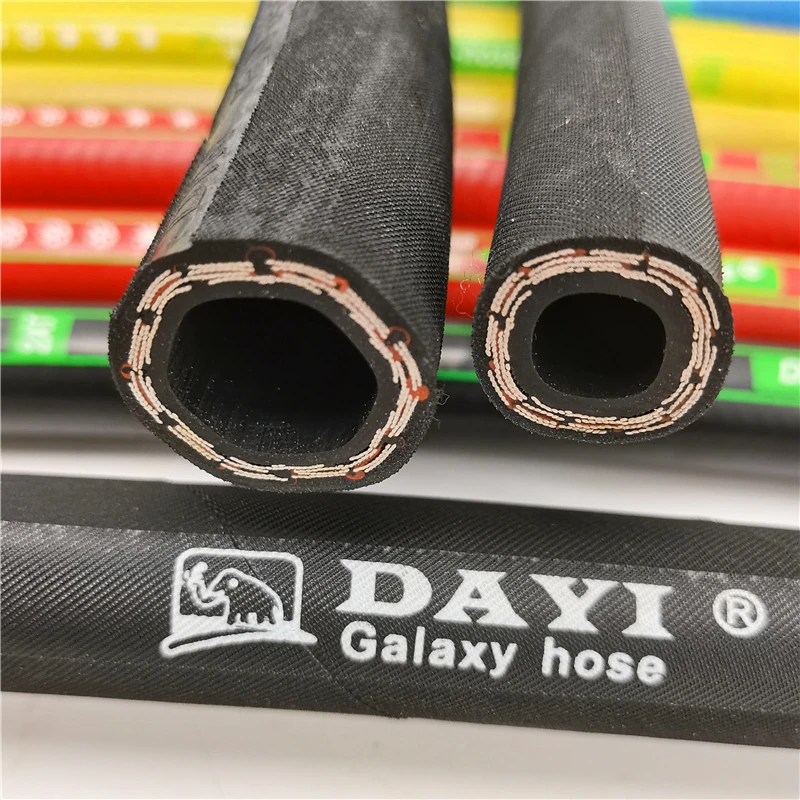
Balflex hydraulic hose construction typically involves several key materials. The inner tube, in direct contact with the hydraulic fluid, is commonly composed of a synthetic rubber compound – often a blend of Nitrile (NBR), Ethylene Propylene Diene Monomer (EPDM), or Fluorocarbon (FKM/Viton) – selected based on fluid compatibility. NBR provides excellent resistance to petroleum-based fluids, while EPDM excels with phosphate ester fluids. FKM is preferred for aggressive fluids and high-temperature environments. The reinforcement layer dictates the hose’s pressure capacity and flexibility. This typically consists of multiple layers of high-tensile steel wire, spirally wound or braided, providing burst and kink resistance. The quantity and type of steel wire (high tensile or stainless) directly correlate with the working pressure rating. The outer cover, providing protection against abrasion, weathering, and chemical attack, is usually a synthetic rubber, such as Chloroprene (CR) or Polyurethane (PU). Manufacturing processes begin with the extrusion of the inner tube. The reinforcement layers are then applied using specialized winding or braiding machinery, maintaining precise tension control. Following reinforcement, the outer cover is extruded. Critical parameters include maintaining consistent rubber compound ratios, precise wire tension during reinforcement, and proper vulcanization (curing) temperature and time, crucial for achieving optimal material properties and bonding between layers. Post-extrusion quality control involves hydrostatic pressure testing to verify burst pressure, impulse testing to assess fatigue life, and dimensional checks to ensure adherence to specifications.
Performance & Engineering
The performance of Balflex hydraulic hose is dictated by several engineering principles. Force analysis considers both static and dynamic pressures within the system. The hose must withstand the maximum system pressure with an adequate safety factor. Impulse pressures – rapid pressure fluctuations – create fatigue stress on the reinforcement layers, demanding high cycle fatigue resistance. Environmental resistance is crucial; exposure to extreme temperatures, UV radiation, and corrosive chemicals can degrade the rubber compounds, reducing flexibility and increasing the risk of failure. Compliance requirements are stringent, with standards like ISO 6897 and SAE J517 dictating performance criteria. Functional implementation necessitates careful consideration of hose bend radius; exceeding the minimum bend radius induces stress concentration, weakening the hose. Fitting selection is also paramount. Improperly installed or incompatible fittings can cause leakage or premature failure. The hose’s elasticity plays a role in dampening vibrations within the hydraulic system. Finite Element Analysis (FEA) is increasingly used during the design phase to predict stress distribution and optimize hose construction for specific applications. Leakage control is a critical performance parameter, often assessed through hydrostatic testing and visual inspection. Degradation of the internal tube material also significantly impacts performance.
Technical Specifications
| Parameter | Unit | Specification (Example - Series 4SP, 1" ID) | Typical Application |
|---|---|---|---|
| Working Pressure | MPa | 21.0 | Hydraulic Excavators, Loaders |
| Burst Pressure | MPa | 63.0 | Emergency Pressure Relief Systems |
| Temperature Range | °C | -40 to +100 | General Industrial Use |
| Inner Tube | Material | NBR (Nitrile Rubber) | Petroleum-Based Fluids |
| Reinforcement | Layers | 4 Spiral Steel Wire | High-Pressure Applications |
| Outer Cover | Material | CR (Chloroprene Rubber) | Abrasion and Weather Resistance |
Failure Mode & Maintenance
Balflex hydraulic hose is susceptible to several failure modes. Fatigue cracking, occurring within the reinforcement layers, results from repeated pressure cycling. This is accelerated by excessive bending or exposure to corrosive environments. Delamination, the separation of layers, compromises the hose’s structural integrity. This often stems from inadequate bonding during manufacturing or prolonged exposure to high temperatures. Degradation of the inner tube, caused by chemical attack or thermal oxidation, leads to reduced fluid compatibility and potential leakage. Abrasion damage to the outer cover exposes the reinforcement layers to corrosion, initiating a progressive failure. Kink failure occurs when the hose is bent beyond its minimum bend radius, causing localized stress and cracking. Maintenance is crucial for extending hose life. Regular visual inspections should identify signs of abrasion, cracking, or swelling. Fluid contamination must be minimized through proper filtration. Hose connections should be inspected for leaks and tightened as necessary. Avoid sharp bends and twisting during installation. Replace hoses that exhibit any signs of damage or degradation. Recommended preventative maintenance schedules vary depending on the application and operating conditions. Utilizing protective sleeves and guards can mitigate abrasion damage.
Industry FAQ
Q: What is the impact of fluid compatibility on hose lifespan?
A: Incorrect fluid compatibility is a leading cause of inner tube degradation. Using a hose not rated for the specific hydraulic fluid can result in swelling, softening, or cracking of the inner tube, leading to leakage and eventual failure. It's crucial to consult fluid compatibility charts and select a hose with an inner tube material resistant to the fluid in use.
Q: How does temperature affect hose performance and what are the limitations?
A: Temperature extremes significantly impact rubber compound properties. High temperatures accelerate degradation and reduce flexibility, while low temperatures can cause the rubber to become brittle. Exceeding the specified temperature range reduces the hose’s working pressure capacity and increases the risk of cracking. The stated temperature range on the hose is a critical operational limit.
Q: What are the best practices for hose routing to minimize stress and prolong life?
A: Avoid sharp bends, twisting, and direct contact with hot surfaces or abrasive materials. Maintain adequate clearance between the hose and moving parts. Support the hose at regular intervals to prevent sagging and reduce stress on the fittings. Ensure the hose is routed away from potential impact zones.
Q: What is the significance of impulse pressure ratings, and how are they determined?
A: Impulse pressure ratings indicate the hose’s ability to withstand repeated pressure surges. These ratings are determined through rigorous cyclic pressure testing, simulating the dynamic pressures experienced in real-world applications. A higher impulse pressure rating signifies greater resistance to fatigue failure.
Q: What are the common causes of fitting failure, and how can they be prevented?
A: Common causes of fitting failure include improper installation (over-tightening, under-tightening, or incorrect assembly), corrosion, and damage to the fitting threads. Prevention measures include using correctly sized fittings, applying appropriate sealant, regularly inspecting fittings for corrosion or damage, and following manufacturer’s recommended torque specifications.
Conclusion
Balflex hydraulic hose, as a vital component in fluid power transmission, necessitates a thorough understanding of its material science, manufacturing processes, and performance characteristics. Proper selection, installation, and maintenance are paramount to ensuring reliable operation and preventing catastrophic failures. The performance is intimately linked to the hose’s construction – the selection of inner tube material for fluid compatibility, the number and type of reinforcement layers for pressure capacity, and the outer cover for environmental protection.
As hydraulic systems become more sophisticated and operate in increasingly demanding environments, the importance of selecting and maintaining high-quality hydraulic hose will only increase. Future advancements in materials science will likely lead to the development of hoses with improved temperature resistance, chemical compatibility, and fatigue life, further enhancing the reliability and efficiency of hydraulic systems. Proactive preventative maintenance and rigorous adherence to industry standards remain the cornerstones of long-term performance.