
Apr . 01, 2024 17:55 Back to list
apache hydraulic hose Performance Analysis
Introduction
Apache hydraulic hose represents a critical component in fluid power systems across diverse industrial applications. Positioned within the hydraulic system as the conduit for transmitting pressurized fluid – typically hydraulic oil – it facilitates the transfer of power to actuators and other hydraulic devices. These hoses are engineered to withstand high pressures, resist abrasion, and maintain flexibility under dynamic conditions. Core performance characteristics include burst pressure, working pressure, temperature range, and fluid compatibility. A primary industry pain point is premature hose failure due to improper specification, installation, or maintenance, leading to costly downtime and potential safety hazards. Understanding the interplay between material science, manufacturing processes, and operational parameters is therefore crucial for ensuring reliable and long-lasting performance.
Material Science & Manufacturing
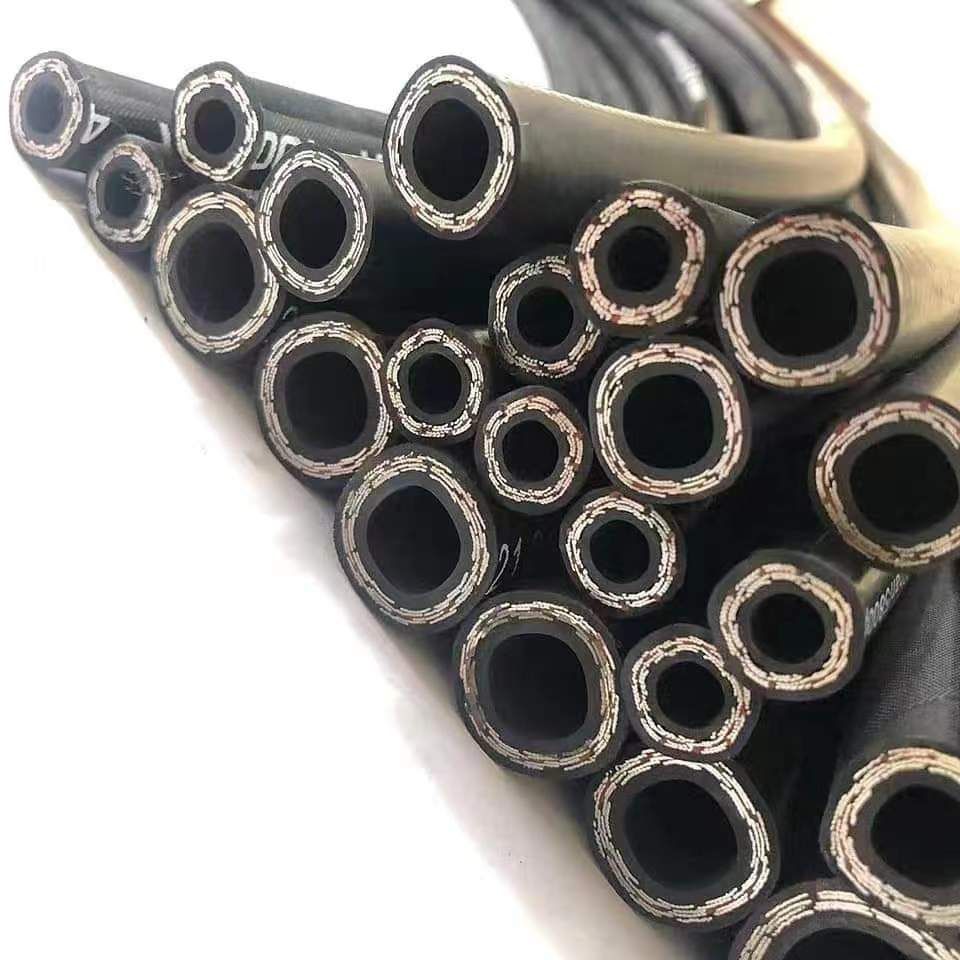
The construction of Apache hydraulic hose typically involves multiple layers, each contributing to specific performance characteristics. The innermost layer, or tube, is generally constructed from a synthetic rubber compound, such as nitrile (NBR), ethylene propylene diene monomer (EPDM), or fluorocarbon (FKM – Viton). NBR offers good resistance to petroleum-based fluids, while EPDM excels in applications involving water-based hydraulic fluids. FKM provides superior resistance to high temperatures and aggressive chemicals. The reinforcement layer is critical for withstanding pressure and preventing hose collapse. Common reinforcement materials include one or multiple layers of high-tensile steel wire braid, or spiral-wound steel wire. The number and configuration of these layers directly influence the hose’s burst pressure rating. The outer cover provides protection against abrasion, weathering, and oil degradation. Common cover materials include synthetic rubbers such as chloroprene (Neoprene) and polyurethane.
Manufacturing processes begin with the extrusion of the inner tube. Precise control of extrusion parameters – temperature, pressure, and screw speed – is essential to ensure consistent wall thickness and surface finish. Reinforcement layers are then applied, typically through a braiding or winding process. Steel wire is carefully wound or braided around the inner tube under controlled tension. Proper tension control is vital to achieving the desired reinforcement density and hose flexibility. Finally, the outer cover is extruded over the reinforcement layer. Post-extrusion processes include vulcanization (curing), where the rubber compounds are cross-linked to enhance their strength, elasticity, and chemical resistance. Quality control measures at each stage, including dimensional checks, pressure testing, and material analysis, are paramount to ensure conformance to industry standards.
Performance & Engineering
The performance of Apache hydraulic hose is dictated by several key engineering considerations. Burst pressure, defined as the pressure at which the hose fails, is a critical safety parameter. Working pressure, typically 50-75% of burst pressure, represents the maximum recommended operating pressure. Hose selection must account for the system’s maximum pressure, pressure surges (hydraulic shocks), and safety factors. Flexibility is also a key consideration, particularly in applications requiring dynamic bending. Hose bend radius should be carefully considered to avoid kinking or excessive stress concentration. Temperature resistance is critical, as both high and low temperatures can degrade rubber compounds and reduce hose life. Fluid compatibility is paramount; the hose material must be resistant to the specific hydraulic fluid being used to prevent swelling, cracking, or leaching.
Force analysis during operation involves assessing internal pressure forces, tensile stresses due to bending, and external loads. Finite element analysis (FEA) is often employed to simulate stress distributions and optimize hose design. Compliance requirements vary depending on the application and region. For example, SAE J517 specifies performance requirements for hydraulic hoses used in mobile machinery, while EN 856 defines standards for hydraulic hoses in industrial applications. Proper hose assembly, including the correct selection and installation of fittings, is essential to ensure leak-free operation and prevent premature failure. Fittings must be rated for the hose’s working pressure and compatible with the hydraulic fluid.
Technical Specifications
| Parameter | Unit | Typical Value (NBR Tube, Steel Wire Braid, Neoprene Cover) | Typical Value (FKM Tube, Spiral Steel Wire, Polyurethane Cover) |
|---|---|---|---|
| Working Pressure | psi | 2000 | 4000 |
| Burst Pressure | psi | 8000 | 16000 |
| Temperature Range | °F | -40 to +212 | -4 to +248 |
| Inner Diameter | in | 0.5 - 2.0 | 0.5 - 4.0 |
| Outer Diameter | in | 0.75 - 2.5 | 1.0 - 5.0 |
| Minimum Bend Radius | in | 6-12 | 8-16 |
Failure Mode & Maintenance
Common failure modes of Apache hydraulic hose include burst failure due to exceeding pressure limits, kink failure caused by excessive bending, abrasion failure from external contact with abrasive surfaces, and degradation failure due to chemical attack or UV exposure. Fatigue cracking can occur in the reinforcement layers due to repeated pressure cycles and flexing. Delamination, the separation of layers, can result from improper bonding during manufacturing or exposure to harsh chemicals. Oxidation of the rubber compounds can lead to hardening, cracking, and loss of flexibility.
Preventive maintenance is crucial for maximizing hose life. Regular visual inspections should be conducted to check for signs of abrasion, cracking, swelling, or leaks. Hose assemblies should be properly supported to prevent sagging and excessive bending. Pressure surges should be minimized through the use of accumulators or pulsation dampeners. Hydraulic fluid should be regularly analyzed for contamination and degradation. When replacing hoses, it's essential to use compatible fittings and ensure proper assembly techniques. Damaged hoses should be immediately replaced. A well-documented hose management program, including tracking hose replacement schedules and failure data, can help identify recurring problems and improve system reliability.
Industry FAQ
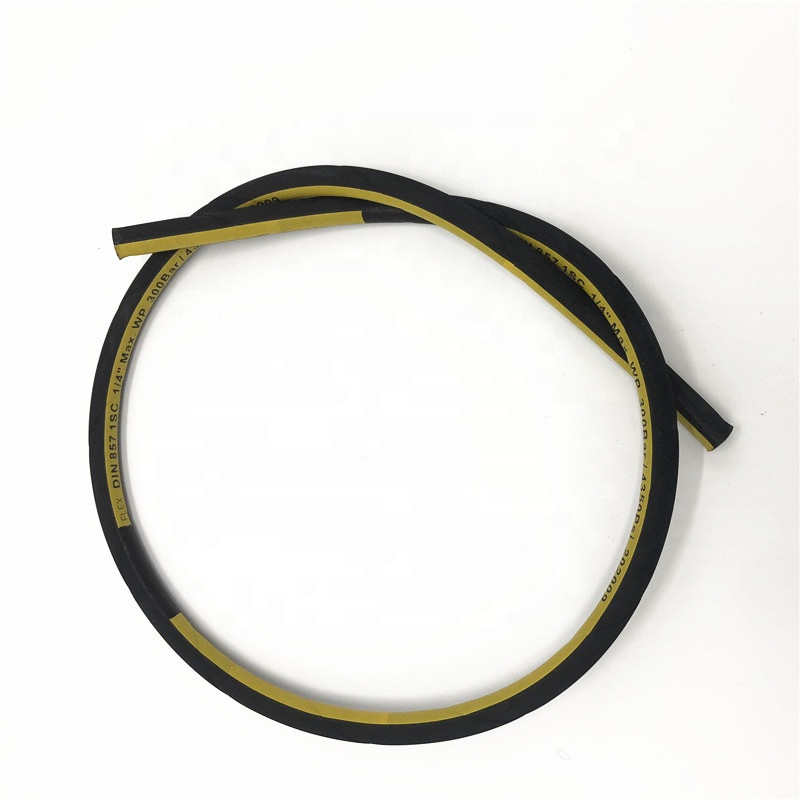
Q: What is the impact of hose layline markings on traceability and maintenance?
A: Hose layline markings, typically including manufacturer, date of manufacture, and pressure rating, are crucial for traceability. They allow for accurate identification of the hose and facilitate tracking of its service history. This information is vital for warranty claims, failure analysis, and proactive maintenance scheduling. Without clear layline markings, it becomes difficult to determine the hose's age and specifications, potentially leading to improper replacement or continued use beyond its service life.
Q: How does the choice of fitting material (e.g., carbon steel, stainless steel) affect hose performance and longevity?
A: The fitting material plays a significant role in hose performance. Carbon steel fittings are generally more cost-effective but are susceptible to corrosion, particularly in harsh environments. Stainless steel fittings offer superior corrosion resistance, making them ideal for applications involving exposure to moisture, chemicals, or saltwater. The compatibility between the fitting material and the hydraulic fluid is also critical to prevent galvanic corrosion. Incorrect fitting selection can lead to leaks, reduced hose life, and potential safety hazards.
Q: What considerations should be made when selecting hydraulic hose for pulsating pressure applications?
A: Pulsating pressure applications, common in pumps and hydraulic motors, induce cyclic stresses in the hose. To mitigate these stresses, hoses with reinforced construction, such as spiral-wound wire reinforcement, are recommended. The hose should be sized appropriately to minimize pressure drop and heat generation. Additionally, pulsation dampeners can be installed to reduce pressure fluctuations and extend hose life. The hose’s fatigue resistance rating should be carefully evaluated to ensure it can withstand the expected number of pressure cycles.
Q: Can different hydraulic fluids be used interchangeably in the same hose assembly? What are the risks?
A: Using incompatible hydraulic fluids in the same hose assembly is highly discouraged. Different fluids have varying chemical compositions and can cause swelling, softening, or degradation of the hose material. This can lead to leaks, reduced burst pressure, and premature failure. It's essential to consult the hose manufacturer's compatibility chart to ensure the hose material is compatible with the specific hydraulic fluid being used. Changing fluids requires a complete hose flushing and potential replacement depending on the fluids involved.
Q: What are the best practices for storing hydraulic hoses to prevent degradation during periods of non-use?
A: Proper storage is crucial for preserving hose integrity. Hoses should be stored in a cool, dry, and well-ventilated area, away from direct sunlight, heat sources, and ozone. They should be coiled loosely to avoid kinking and stored off the floor to prevent contact with moisture or contaminants. Avoid storing hoses in contact with incompatible materials. Periodically inspect stored hoses for signs of degradation and rotate stock to ensure older hoses are used first. Protective caps should be used on hose ends to prevent contamination.
Conclusion
Apache hydraulic hose, as a vital component in fluid power systems, demands careful consideration of material science, manufacturing quality, and operational parameters. Selecting the appropriate hose based on pressure requirements, fluid compatibility, temperature range, and application-specific needs is paramount for ensuring reliable and safe performance. Understanding potential failure modes and implementing a robust preventive maintenance program are equally essential for maximizing hose life and minimizing costly downtime.
The ongoing development of advanced materials and manufacturing techniques promises to further enhance the performance and durability of hydraulic hoses. Future trends include the use of thermoplastic hoses for increased flexibility and chemical resistance, as well as the integration of sensor technologies for real-time monitoring of hose condition. Continuous improvement in hose design, coupled with proactive maintenance strategies, will remain crucial for optimizing hydraulic system efficiency and reliability.