
Apr . 01, 2024 17:55 Back to list
air hose pipe Performance Analysis
Introduction
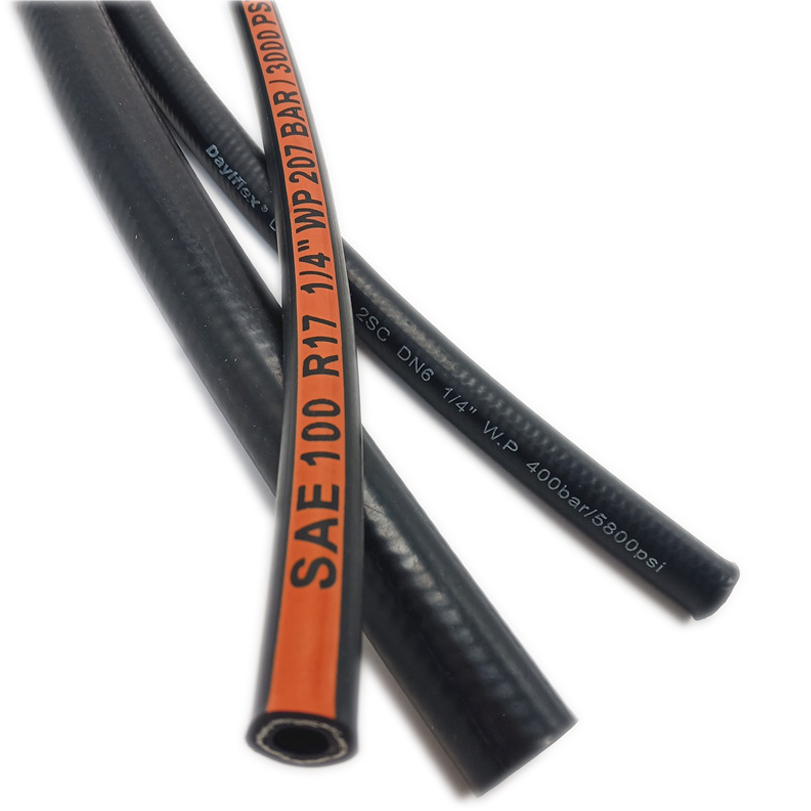
Air hose pipe, fundamental to pneumatic systems across diverse industries, facilitates the transmission of compressed air for powering tools, operating machinery, and performing various industrial processes. Positioned as a critical component within the broader fluid power industry, air hose performance directly impacts operational efficiency, safety, and equipment longevity. These hoses are typically constructed from a combination of polymeric materials reinforced with textiles or steel wire, providing the necessary flexibility and pressure resistance. Core performance characteristics center around burst pressure, working pressure, flexibility, temperature range, and resistance to abrasion and chemical exposure. The selection of appropriate air hose is dictated by application-specific demands, including air pressure, temperature, and the presence of potential contaminants like oil or solvents. Failure to properly specify air hose can lead to catastrophic system failures, resulting in downtime, injury, and significant financial losses. This guide provides an in-depth examination of air hose pipe, covering material science, manufacturing processes, performance parameters, failure modes, and relevant industry standards.
Material Science & Manufacturing
Air hose construction typically involves a layered system utilizing several key materials. The inner tube, critical for maintaining fluid compatibility, is often composed of synthetic rubbers such as nitrile (NBR), styrene-butadiene rubber (SBR), or polyethylene (PE). NBR offers excellent resistance to oils and fuels, making it ideal for automotive and industrial applications. SBR provides good abrasion resistance and general-purpose performance. PE is commonly used in lower-pressure applications due to its flexibility and low cost. The reinforcement layer, providing tensile strength and burst resistance, usually consists of textile braiding (polyester, nylon) or spiraled steel wire. Steel wire reinforcement is preferred for high-pressure applications and provides superior dimensional stability. The outer cover, protecting the hose from abrasion, UV exposure, and chemical attack, is typically made from EPDM (ethylene propylene diene monomer) rubber or PVC (polyvinyl chloride). EPDM exhibits excellent resistance to weathering and ozone, while PVC offers good abrasion resistance and cost-effectiveness.
Manufacturing processes vary depending on the hose construction. Rubber hoses are commonly produced through extrusion, where the rubber compound is forced through a die to create a continuous tube. Reinforcement layers are then applied through braiding or spiraling machines. The outer cover is similarly extruded and bonded to the reinforcement layer using adhesive or vulcanization. PVC hoses are typically manufactured through a similar extrusion process, followed by cooling and sizing. Key parameter control during manufacturing includes precise temperature control during extrusion to ensure proper material flow and bonding, accurate tension control during reinforcement layering to maintain dimensional stability, and rigorous quality control checks for defects like pinholes, voids, and uneven wall thickness. Vulcanization, a critical process for rubber hoses, involves cross-linking the polymer chains using heat and sulfur, enhancing strength, elasticity, and chemical resistance.

Performance & Engineering
The performance of air hose pipe is governed by several key engineering principles. Burst pressure, the maximum pressure the hose can withstand before failure, is a critical safety parameter determined by the material strength, reinforcement configuration, and hose diameter. Working pressure, typically a fraction of the burst pressure (often 1/4 or 1/3), represents the maximum permissible operating pressure. Flexibility, essential for ease of handling and routing, is influenced by the hose material and construction. The bend radius, the minimum radius to which the hose can be bent without kinking or damaging the reinforcement, is a crucial design consideration. Environmental resistance, including temperature range, UV exposure, and chemical compatibility, is vital for ensuring long-term reliability. Fatigue resistance, the ability to withstand repeated pressure cycles, is critical in applications involving pulsating airflow.
Force analysis involves evaluating the hoop stress (circumferential stress) and longitudinal stress within the hose wall under internal pressure. Hoop stress is significantly higher than longitudinal stress, making the reinforcement layer particularly important for preventing burst failure. Compliance requirements, dictated by regulatory bodies such as OSHA (Occupational Safety and Health Administration) and MSHA (Mine Safety and Health Administration), mandate specific safety standards for air hose, including minimum burst pressure, labeling requirements, and hose inspection protocols. Functional implementation dictates specific hose characteristics; for example, food-grade applications require hoses manufactured from FDA-compliant materials, while applications in hazardous environments necessitate static dissipation and flame resistance.
Technical Specifications
| Parameter | Unit | Typical Value (1/4" ID Hose) | Typical Value (1/2" ID Hose) |
|---|---|---|---|
| Working Pressure | PSI | 300 | 200 |
| Burst Pressure | PSI | 900 | 600 |
| Temperature Range | °F | -40 to +212 | -40 to +212 |
| Inner Tube Material | - | NBR | EPDM |
| Reinforcement | - | Polyester Braid | Steel Spiral Wire |
| Outer Cover Material | - | EPDM | PVC |
Failure Mode & Maintenance
Air hose pipe is susceptible to several failure modes. Fatigue cracking, resulting from repeated pressure cycles, often initiates at areas of stress concentration, such as fittings or bends. Abrasion, caused by contact with rough surfaces, can wear away the outer cover, exposing the reinforcement layer. Kinking, resulting from excessive bending, can damage the reinforcement and restrict airflow. Chemical degradation, caused by exposure to incompatible fluids, can compromise the hose material. Oxidation, particularly in EPDM rubber, can lead to cracking and embrittlement over time. Delamination, the separation of layers, can occur due to poor bonding during manufacturing or exposure to harsh environments.
Preventative maintenance is crucial for maximizing air hose lifespan. Regular visual inspections should be conducted to identify signs of wear, damage, or degradation. Hoses should be properly stored when not in use, avoiding exposure to direct sunlight, extreme temperatures, and corrosive substances. Kinks should be avoided, and hoses should be routed to minimize stress and abrasion. Fittings should be securely tightened to prevent leaks. Damaged hoses should be immediately replaced. Periodic pressure testing can help identify hoses nearing the end of their service life. Implementing a hose management program, including tagging and tracking, can facilitate regular inspections and replacements.
Industry FAQ
Q: What is the primary difference between a braided hose and a spiral wire reinforced hose?
A: Braided hoses, typically using polyester or nylon, offer good flexibility and are suitable for moderate pressure applications. Spiral wire reinforced hoses, using high-tensile steel wire, provide significantly higher burst pressures and improved dimensional stability, making them ideal for heavy-duty applications and situations demanding resistance to kinking.
Q: How does temperature affect air hose performance?
A: Extreme temperatures can significantly impact hose performance. High temperatures can reduce the hose's pressure rating and accelerate degradation, while low temperatures can reduce flexibility and increase the risk of cracking. It is crucial to select a hose with a temperature range appropriate for the application.
Q: What are the key considerations when selecting a hose for oil-filled pneumatic systems?
A: Oil resistance is paramount. Hoses constructed with NBR or specialized oil-resistant compounds are essential to prevent swelling, degradation, and premature failure. Compatibility charts should be consulted to ensure the hose material is compatible with the specific oil used in the system.
Q: What is the importance of proper hose fitting selection and installation?
A: Improperly sized or installed fittings are a common cause of hose failure. Fittings must be compatible with the hose material and pressure rating. Over-tightening can damage the hose, while under-tightening can lead to leaks. Proper crimping or swaging techniques are essential for ensuring a secure and reliable connection.
Q: What are the common methods for identifying hose degradation?
A: Visual inspection is the first line of defense. Look for cracks, abrasions, swelling, discoloration, or signs of delamination. Flexing the hose can reveal internal damage. Pressure testing can also help identify hoses nearing the end of their service life. A consistent hose inspection and replacement schedule is recommended.
Conclusion
Air hose pipe remains a critical, yet often overlooked, component in numerous industrial applications. The performance and longevity of these hoses are dictated by a complex interplay of material science, manufacturing precision, and operational considerations. Understanding the underlying principles governing hose selection, installation, and maintenance is paramount for ensuring system safety, optimizing efficiency, and minimizing downtime. Selecting the correct hose, based on pressure requirements, chemical compatibility, temperature range, and environmental factors, is fundamental to preventing catastrophic failures and maximizing return on investment.
Future advancements in air hose technology are likely to focus on developing lighter-weight materials with enhanced strength and durability, as well as incorporating smart sensing capabilities for real-time monitoring of hose condition. The increasing demand for sustainable materials will also drive innovation in bio-based polymers and recyclable hose designs. By embracing these advancements and adhering to best practices for hose management, industries can further enhance the reliability and performance of pneumatic systems.

