
Apr . 01, 2024 17:55 Back to list
Air Hose Performance Analysis
Introduction
Air hose, a flexible conduit for compressed air, is a critical component across diverse industrial and commercial applications. Positioned as a downstream element within pneumatic systems – following compressors, filters, and regulators – it delivers pressurized air to power tools, operate machinery, and facilitate automated processes. Its core performance characteristics revolve around pressure capacity, flexibility, temperature resistance, and durability. Selection hinges on matching hose properties to the specific application demands, considering factors such as air pressure, temperature fluctuations, exposure to chemicals, and the required length and diameter. The evolution of air hose materials from natural rubber to synthetic compounds like PVC, nitrile, and polyurethane reflects the ongoing pursuit of enhanced performance, safety, and longevity. Common pain points in industry include premature failure due to abrasion, kinking, and chemical degradation, demanding careful material selection and consistent maintenance.
Material Science & Manufacturing
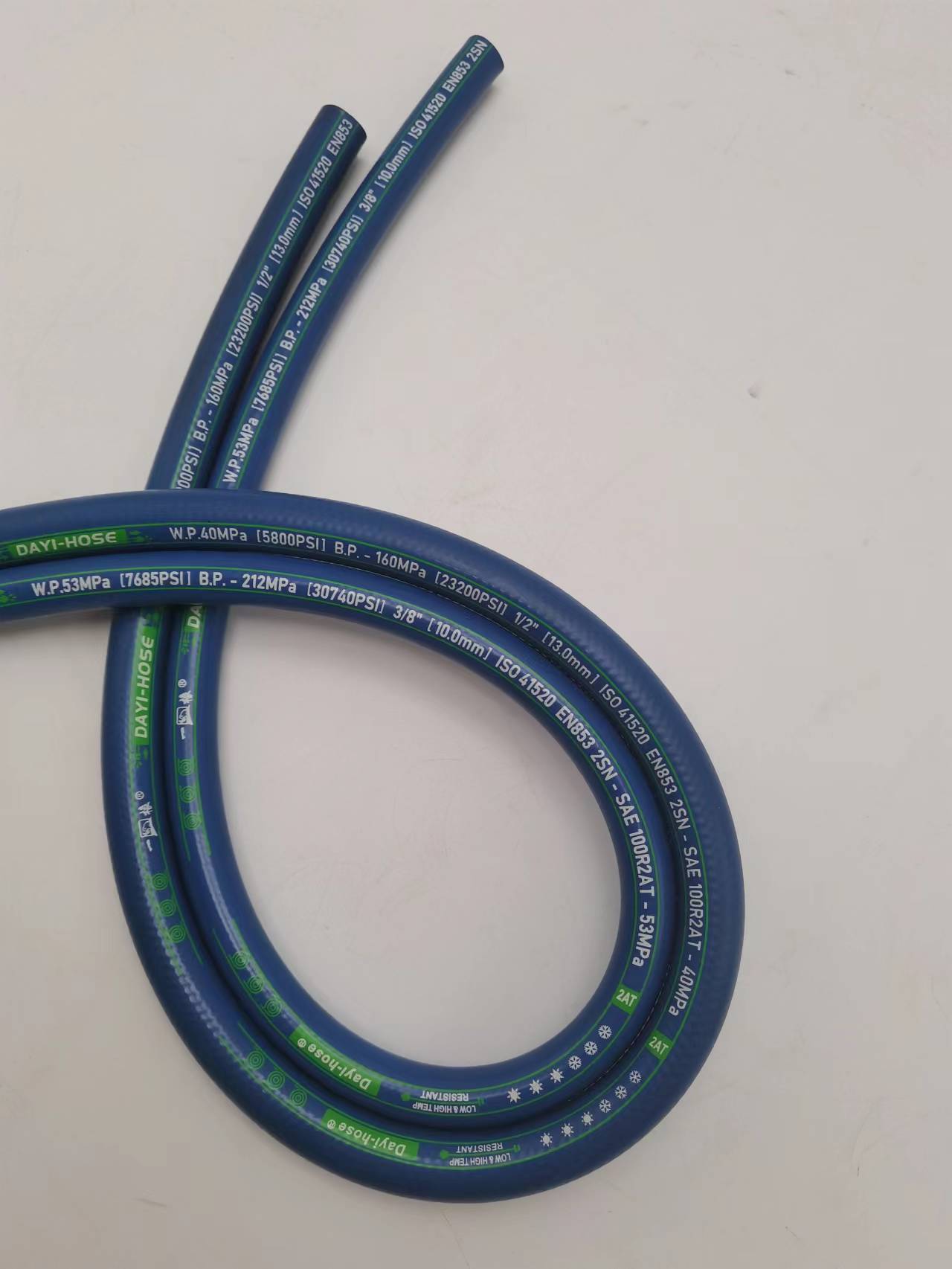
Air hose construction typically involves several layers utilizing distinct material properties. The inner tube, directly exposed to compressed air, often comprises nitrile rubber (NBR) for oil resistance or thermoplastic polyurethane (TPU) for flexibility and abrasion resistance. The reinforcement layer, providing strength and preventing bursting, commonly uses high-tensile textile braids (typically polyester or nylon) or spirally wound steel wire for high-pressure applications. The outer cover, protecting against environmental factors and abrasion, frequently employs polyvinyl chloride (PVC) for general purpose use, or EPDM rubber for ozone and weathering resistance. Manufacturing processes vary based on hose type. Rubber hoses are produced through extrusion, where the compound is forced through a die to create a continuous tube, followed by curing through vulcanization—a chemical process using heat and sulfur to cross-link the polymer chains, enhancing strength and elasticity. PVC hoses are similarly extruded and may undergo calendaring for surface texture. Braiding is achieved using automated braiding machines, precisely interlacing the reinforcement fibers. Quality control involves rigorous testing of material properties (tensile strength, elongation at break, hardness) and dimensional accuracy, along with pressure testing to verify burst strength. Critical parameters during manufacturing include maintaining consistent compound viscosity, precise temperature control during curing, and accurate braiding tension.
Performance & Engineering
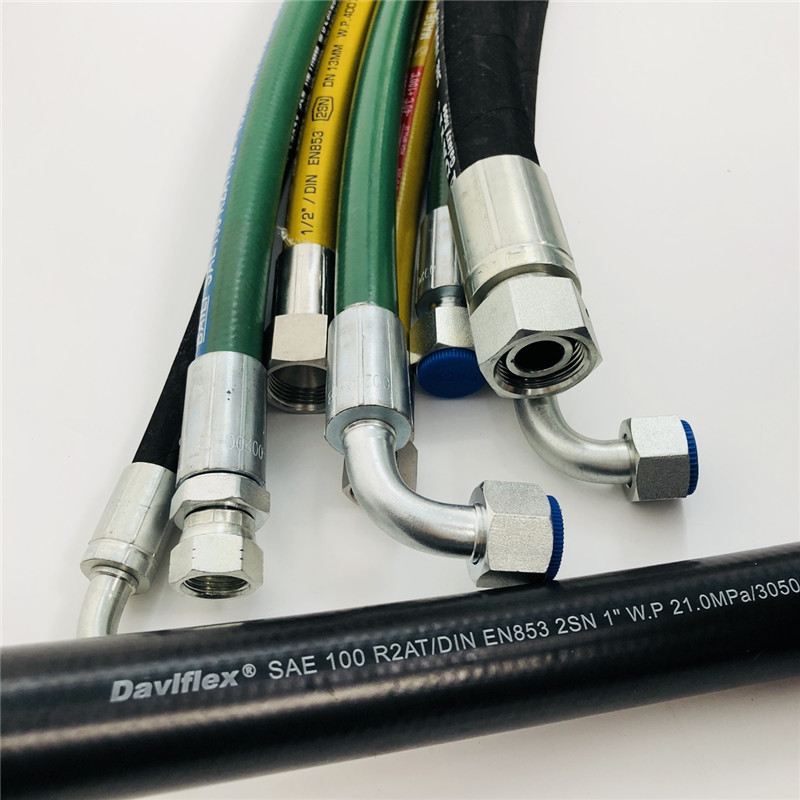
The performance of air hose is governed by fundamental engineering principles. Burst pressure, a critical safety parameter, is dictated by the reinforcement layer’s tensile strength and the inner tube’s wall thickness, calculated using Barlow's formula (P = 2St/D, where P is pressure, S is tensile strength, t is wall thickness, and D is diameter). Flexibility is affected by the material’s Young’s modulus and the hose’s diameter; smaller diameters generally offer greater flexibility. Kink resistance is improved through the use of spiral reinforcement or specialized hose constructions. Environmental resistance – to ozone, UV radiation, and chemical exposure – is determined by the outer cover material’s formulation. Temperature range is limited by the softening point of the inner tube and the embrittlement temperature of the outer cover. Compliance with industry standards, such as OSHA regulations regarding hose inspection and maintenance, is paramount. Failure analysis often reveals stress concentrations at fittings, necessitating proper crimping and secure attachment. Force analysis considers the internal pressure acting on the hose walls, the external forces during bending and handling, and the dynamic loads from pulsating airflow. The selection of fittings must match the hose material and pressure rating to prevent leaks and failures.
Technical Specifications
| Working Pressure (PSI) | Burst Pressure (PSI) | Temperature Range (°F) | Inner Diameter (in) |
|---|---|---|---|
| 300 | 900 | -40 to +150 | 1/4 |
| 200 | 600 | -20 to +180 | 3/8 |
| 400 | 1200 | -40 to +176 | 1/2 |
| 600 | 1800 | -40 to +176 | 3/4 |
| 300 | 900 | -40 to +150 | 1 |
| 500 | 1500 | -40 to +176 | 1 1/4 |
Failure Mode & Maintenance
Air hose failures are commonly attributed to several modes. Abrasion, caused by contact with rough surfaces, wears down the outer cover, exposing the reinforcement layer. Kinking, resulting from sharp bends, restricts airflow and can cause internal damage. Oil contamination degrades the inner tube material, leading to swelling and cracking. UV exposure causes embrittlement of PVC and other polymers. Fatigue cracking occurs from repeated bending and flexing, particularly at stress concentrations. Delamination involves separation of the layers due to inadequate bonding. Oxidation degrades rubber compounds over time, reducing their elasticity. Maintenance is crucial for extending hose lifespan. Regular visual inspections should identify cuts, abrasions, bulges, and kinks. Hoses should be replaced immediately if any damage is detected. Proper storage – coiled loosely and protected from sunlight and extreme temperatures – minimizes stress and degradation. Avoid exposing hoses to incompatible chemicals. Ensure fittings are securely attached and properly crimped. Periodic pressure testing can detect hidden weaknesses. Implement a hose management program with defined inspection intervals and replacement criteria. Following manufacturer recommendations regarding pressure limits and operating conditions is essential.
Industry FAQ
Q: What is the difference between PVC and rubber air hose, and which is better for a workshop environment?
A: PVC air hose is generally more cost-effective and resistant to oils and chemicals, making it suitable for general-purpose use. However, rubber (particularly nitrile or EPDM) hoses offer superior flexibility, especially in colder temperatures, and are less prone to kinking. For a workshop environment, rubber hose is often preferred for its durability and ability to withstand frequent bending and temperature fluctuations, despite the higher initial cost. Consider the specific chemicals present in the workshop when making your final selection; nitrile is best for oil resistance.
Q: How do I determine the correct working pressure for an air hose application?
A: Always select a hose with a working pressure rating at least 4:1 greater than the maximum pressure generated by your air compressor. Consider any pressure spikes or surges that may occur during operation. Never exceed the hose's working pressure, as this can lead to catastrophic failure. Factor in the pressure requirements of the tools or machinery being powered by the hose.
Q: What causes air hose to crack, and how can I prevent it?
A: Cracking is often caused by ozone degradation, UV exposure, or repeated bending. Use hoses rated for outdoor use if exposed to sunlight. Store hoses in a cool, dark, and dry location. Avoid bending hoses sharply or repeatedly in the same spot. Consider using a hose reel to prevent kinking and twisting. Regularly inspect hoses for signs of cracking and replace them promptly.
Q: What is the impact of hose diameter on airflow?
A: Airflow is directly related to hose diameter; smaller diameters create higher friction loss, reducing airflow. Larger diameters deliver more airflow but are less flexible. Selecting the appropriate diameter depends on the length of the hose run and the air consumption of the connected tool. Longer hose runs require larger diameters to maintain adequate pressure and airflow.
Q: What are the best practices for connecting fittings to air hose?
A: Always use fittings specifically designed for air hose applications. Ensure the fittings are compatible with the hose material. Use a proper crimping tool to securely attach the fittings. Avoid over-tightening, as this can damage the hose. Regularly inspect fittings for leaks and replace any damaged components. Consider using thread sealant to prevent air leaks at the connection points.
Conclusion
Air hose represents a vital, yet often overlooked, component of pneumatic systems. Its selection and maintenance directly impact system performance, safety, and operational efficiency. Understanding the interplay of material science, manufacturing processes, and engineering principles is crucial for choosing the appropriate hose for specific applications. Factors like working pressure, temperature resistance, chemical compatibility, and flexibility must be carefully considered.
Proactive maintenance, including regular inspections and timely replacement, is paramount to preventing failures and ensuring continued operation. Adhering to industry standards and best practices in hose handling and storage will maximize lifespan and minimize downtime. Continuous advancements in materials and manufacturing techniques promise to deliver even more durable, reliable, and efficient air hose solutions in the future.