
Apr . 01, 2024 17:55 Back to list
air hose industrial Performance Analysis
Introduction
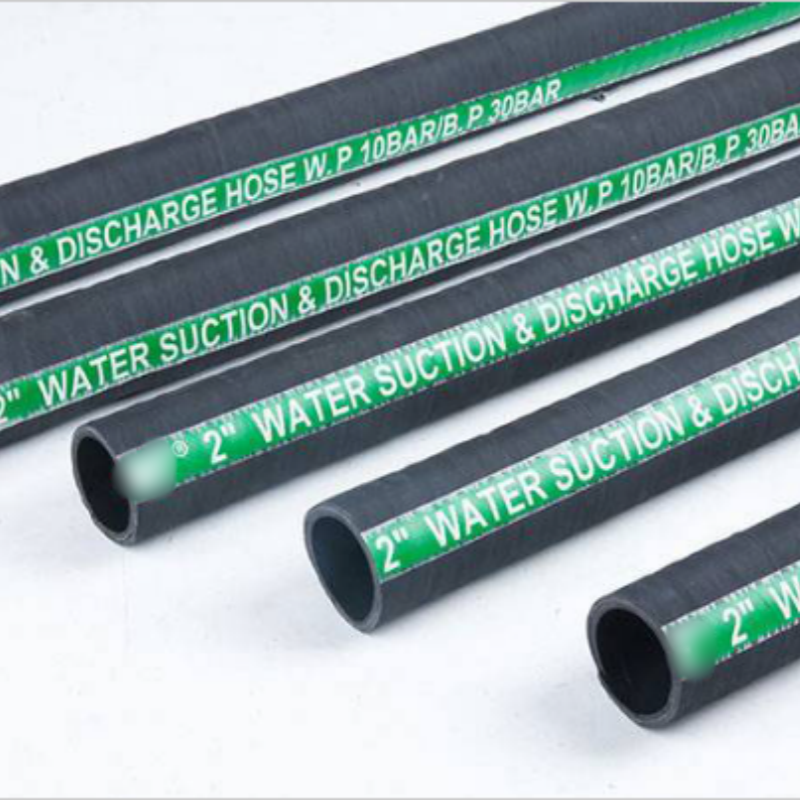
Air hose, in the industrial context, refers to flexible tubes designed to convey compressed air for powering pneumatic tools, machinery, and various automated processes. Positioned within the broader pneumatics and fluid power supply chain, air hoses represent a critical interface between the compressed air source (compressor) and the end application. Core performance characteristics are defined by working pressure, burst pressure, temperature range, flexibility, and resistance to abrasion and chemical exposure. The selection of appropriate air hose is paramount for operational efficiency, worker safety, and preventing costly downtime due to failures. A key pain point in the industry is ensuring consistent performance across a wide spectrum of industrial environments, including exposure to oils, solvents, and extreme temperatures, while maintaining compliance with stringent safety regulations.
Material Science & Manufacturing
Industrial air hoses are typically constructed from several layers of materials, each contributing to specific performance attributes. The inner tube, crucial for compatibility with compressed air, is commonly made from synthetic rubbers such as Nitrile Rubber (NBR), Styrene-Butadiene Rubber (SBR), or Polyurethane (PU). NBR offers excellent resistance to oils and fuels, while SBR is cost-effective for general-purpose applications. PU provides superior abrasion resistance and flexibility. The reinforcement layer, vital for withstanding high pressures, usually consists of a braided textile structure (polyester or nylon) or a spiraled high-tensile steel wire. The outer cover provides environmental protection and abrasion resistance, often utilizing materials like Chloroprene Rubber (CR) for weather resistance and EPDM for ozone and UV resistance.
Manufacturing processes vary depending on hose type and material. Rubber hoses are often produced via extrusion, where the rubber compound is forced through a die to create the inner tube and outer cover. Braiding is typically achieved using automated braiding machines, meticulously interlacing the reinforcement fibers around the inner tube. Wire spiraling involves wrapping high-tensile steel wire around the inner tube under tension. Critical parameters include extrusion temperature, braiding tension, curing time and temperature (for rubber components), and wire pitch. Precise control of these parameters is essential to ensure dimensional accuracy, consistent wall thickness, and optimal mechanical properties. Post-production, hoses undergo pressure testing to verify burst strength and leak tightness. Proper vulcanization of rubber compounds is fundamental for achieving the desired elasticity and durability.
Performance & Engineering
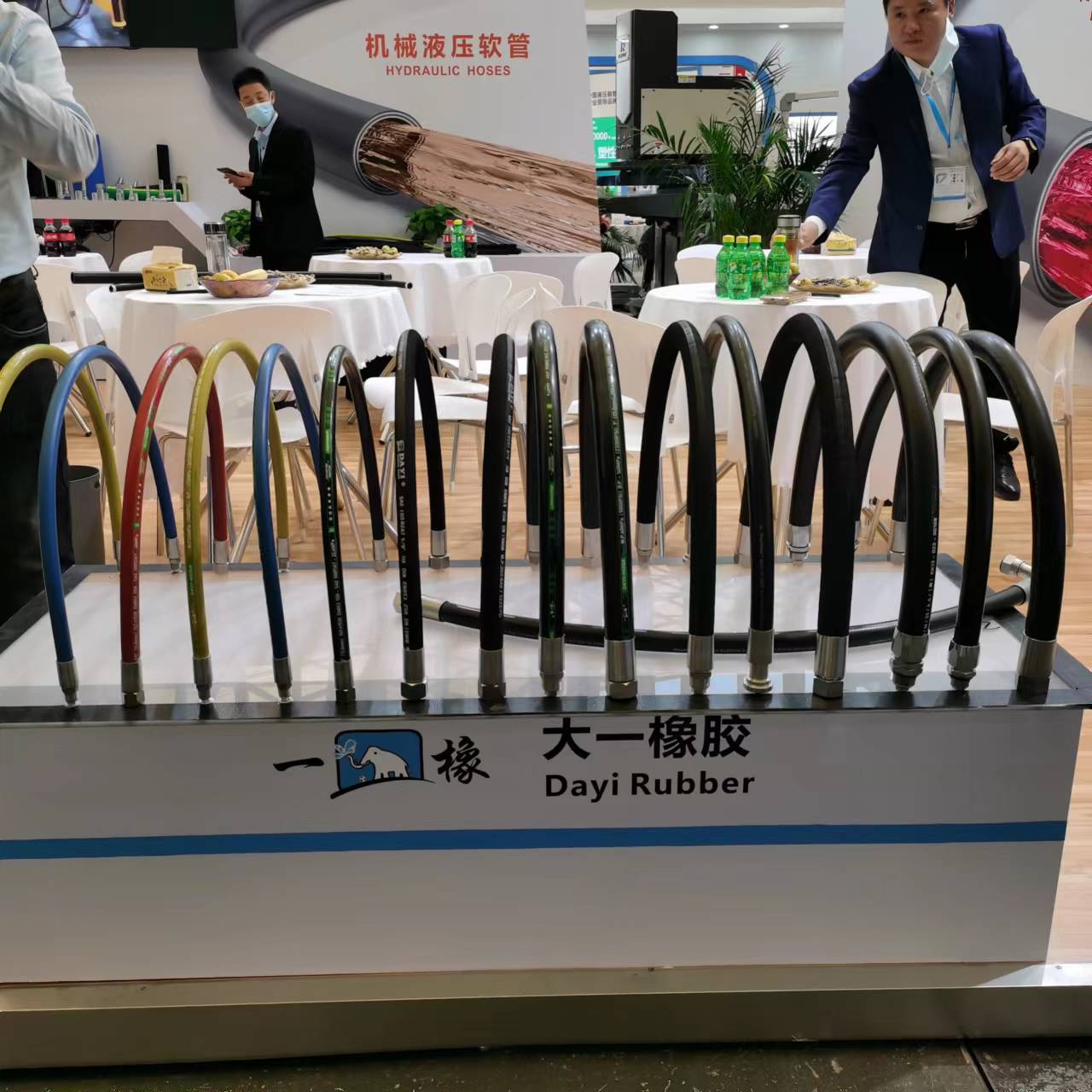
The performance of an industrial air hose is governed by several key engineering principles. Burst pressure, a critical safety parameter, is determined by the tensile strength of the reinforcement layer and the bonding between layers. Working pressure is typically specified as a fraction of the burst pressure, providing a safety margin. Flexibility is essential for ease of handling and maneuverability, particularly in confined spaces. This is influenced by the material properties of the inner tube and outer cover, as well as the hose diameter and wall thickness.
Environmental resistance is a major concern. Exposure to oils, solvents, and extreme temperatures can degrade the rubber components, leading to loss of flexibility, cracking, and eventual failure. Chemical compatibility must be carefully considered when selecting a hose for a specific application. Furthermore, air hoses must conform to relevant safety standards, such as those related to electrical conductivity (to prevent static build-up) and flame resistance. Force analysis is crucial in determining the appropriate reinforcement structure to withstand internal pressure and external stresses. Fatigue resistance, or the ability to withstand repeated flexing and pressure cycles, is also a critical performance parameter. The hose’s bending radius is also a critical engineering consideration, as exceeding the minimum bending radius can induce stress concentrations and lead to premature failure.
Technical Specifications
| Parameter | Unit | Typical Value (NBR Hose) | Typical Value (PU Hose) |
|---|---|---|---|
| Working Pressure | psi | 300 | 400 |
| Burst Pressure | psi | 900 | 1200 |
| Temperature Range | °F | -40 to +212 | -40 to +176 |
| Inner Diameter | in | 0.25 - 1.0 | 0.25 - 0.75 |
| Outer Diameter | in | 0.375 - 1.25 | 0.375 - 0.9 |
| Tensile Strength (Reinforcement) | psi | 4000 | 6000 |
Failure Mode & Maintenance
Common failure modes in industrial air hoses include burst failures due to exceeding pressure limits, cracking and degradation from exposure to oils, solvents, and UV radiation, abrasion damage from rubbing against surfaces, and leakage through damaged fittings. Fatigue cracking can occur in the reinforcement layer due to repeated flexing, particularly in applications with high-frequency vibration. Delamination, or separation of layers, can also occur due to poor bonding or exposure to extreme temperatures. Oxidation of rubber components can lead to hardening and loss of flexibility over time.
Preventive maintenance is critical for extending hose life and preventing failures. Regular visual inspections should be conducted to check for cracks, abrasions, bulges, and leaks. Hoses should be properly stored when not in use, protected from direct sunlight and extreme temperatures. Connections should be inspected for tightness and corrosion. Hoses should be replaced if they show signs of damage or degradation. Avoid sharp bends and excessive stretching. When using compressed air, ensure the air is clean and dry to prevent internal corrosion. Periodic pressure testing can also help identify potential weaknesses before a catastrophic failure occurs.
Industry FAQ
Q: What is the impact of oil contamination on the lifespan of a standard NBR air hose?
A: Oil contamination significantly reduces the lifespan of NBR hoses. Oils cause the rubber to swell and soften, leading to a loss of tensile strength and flexibility. This increases the risk of cracking, leakage, and ultimately, catastrophic failure. Regular inspection and replacement are crucial in oily environments.
Q: How does temperature affect the working pressure rating of an air hose?
A: Elevated temperatures generally reduce the working pressure rating of an air hose. As temperature increases, the material properties of the rubber degrade, reducing its ability to withstand pressure. Consult the manufacturer’s specifications for derating factors at different temperatures.
Q: What are the key differences between a braided and spiraled reinforced air hose in terms of application suitability?
A: Braided hoses offer greater flexibility and are well-suited for applications requiring frequent bending and movement. Spiraled hoses provide higher burst pressure capability and are ideal for applications with high internal pressure or occasional bending. Spiraled hoses are also generally more resistant to kinking.
Q: What is the significance of electrical conductivity in an air hose, and how is it achieved?
A: Electrical conductivity is important to dissipate static electricity, preventing sparks that could ignite flammable materials. Conductivity is achieved by incorporating conductive materials, such as carbon black, into the rubber compound or by using a conductive helix within the hose construction.
Q: What are the advantages of polyurethane (PU) hoses compared to traditional rubber hoses?
A: PU hoses offer superior abrasion resistance, cut resistance, and resistance to many chemicals. They are also typically lighter and more flexible than rubber hoses. However, they generally have a lower temperature range and can be more expensive.
Conclusion
The selection and maintenance of industrial air hoses are critical aspects of ensuring safe and efficient pneumatic operations. Understanding the material science behind hose construction, the engineering principles governing their performance, and the potential failure modes is essential for procurement professionals and maintenance personnel. Proper hose selection, based on application-specific requirements (pressure, temperature, chemical exposure, flexibility), coupled with a robust preventive maintenance program, will minimize downtime, reduce operational costs, and enhance workplace safety.
Future developments in air hose technology will likely focus on advanced materials with enhanced chemical resistance, increased flexibility, and improved durability. Integration of sensor technologies for real-time pressure and temperature monitoring will enable predictive maintenance and further improve reliability. Furthermore, the development of environmentally friendly materials and sustainable manufacturing processes will become increasingly important in meeting evolving industry standards and environmental regulations.