
Apr . 01, 2024 17:55 Back to list
8mm hydraulic hose Performance Analysis
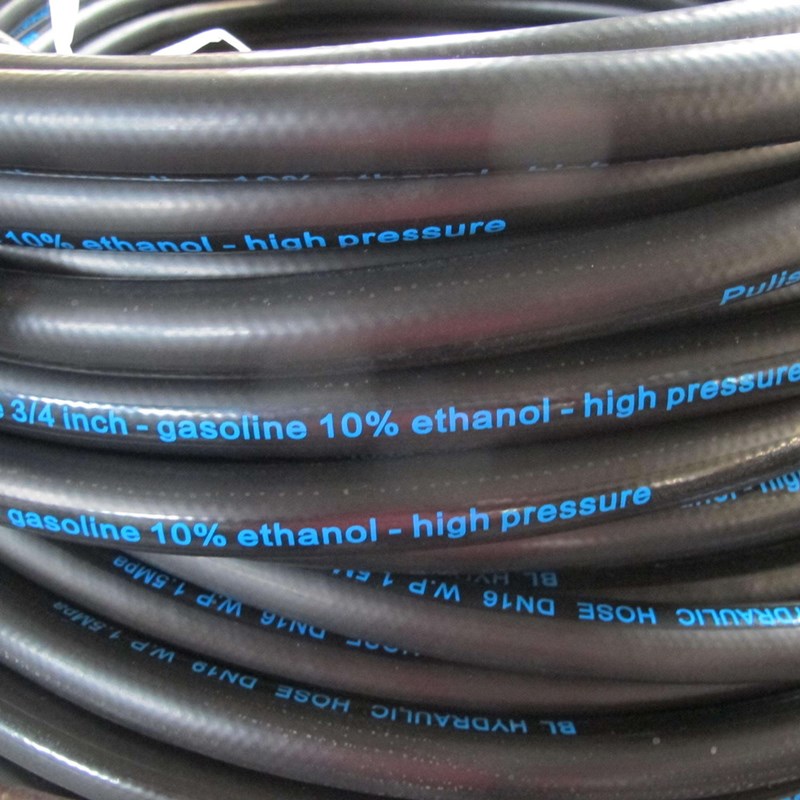
Introduction
8mm hydraulic hose constitutes a critical component in fluid power systems across diverse industrial applications, including construction equipment, agricultural machinery, manufacturing processes, and automotive systems. Defined by its 8mm internal diameter, this hose facilitates the transmission of hydraulic fluid under significant pressure, enabling the operation of actuators, motors, and other hydraulic components. Its technical position within the industry chain lies between the hydraulic pump/reservoir and the end application's actuators, representing a vital link in power delivery. Core performance characteristics are dictated by its pressure rating, burst pressure, temperature range, fluid compatibility, and bend radius, all of which are paramount for ensuring system efficiency, reliability, and safety. The selection of an appropriate 8mm hydraulic hose is crucial to minimize downtime, prevent catastrophic failures, and optimize overall system performance. This guide provides a detailed technical overview of 8mm hydraulic hose, encompassing material science, manufacturing processes, performance criteria, failure modes, and relevant industry standards.
Material Science & Manufacturing
8mm hydraulic hose construction typically involves several layers, each contributing to specific performance characteristics. The innermost layer, or tube, is commonly composed of synthetic rubber compounds like nitrile (NBR), ethylene propylene diene monomer (EPDM), or fluorocarbon (FKM/Viton), selected based on fluid compatibility requirements. NBR provides good resistance to petroleum-based fluids, EPDM excels in phosphate ester fluids and high-temperature applications, and FKM offers superior chemical resistance, particularly to aggressive fluids. The reinforcement layer, crucial for pressure containment, typically consists of multiple braids of high-tensile steel wire. The number of braids directly influences the hose’s maximum working pressure; a single braid hose is suitable for lower pressure applications, while multiple braids (e.g., two, four, or six) accommodate higher pressures. An outer cover, generally made of synthetic rubber like chloroprene (CR) or polyurethane (PU), provides abrasion resistance, weather protection, and resistance to oil and ozone.
Manufacturing begins with extrusion of the inner tube to achieve the 8mm internal diameter with precise tolerances. This is followed by the application of the reinforcement braid through a winding process, ensuring consistent coverage and tension. The outer cover is then extruded over the braided structure. Key parameters controlled during manufacturing include rubber compound formulation (durometer, tensile strength, elongation), braid wire diameter and ply count, and curing temperature/time. Quality control checks involve burst pressure testing, impulse testing (to assess fatigue resistance), dimensional accuracy verification, and fluid compatibility assessments. Specialized manufacturing techniques, such as spiral wrapping with aramid fibers, are employed for hoses requiring exceptionally high flexibility and kink resistance. Post-manufacturing processes include cutting to length, applying fittings (using crimping or swaging techniques), and final inspection.
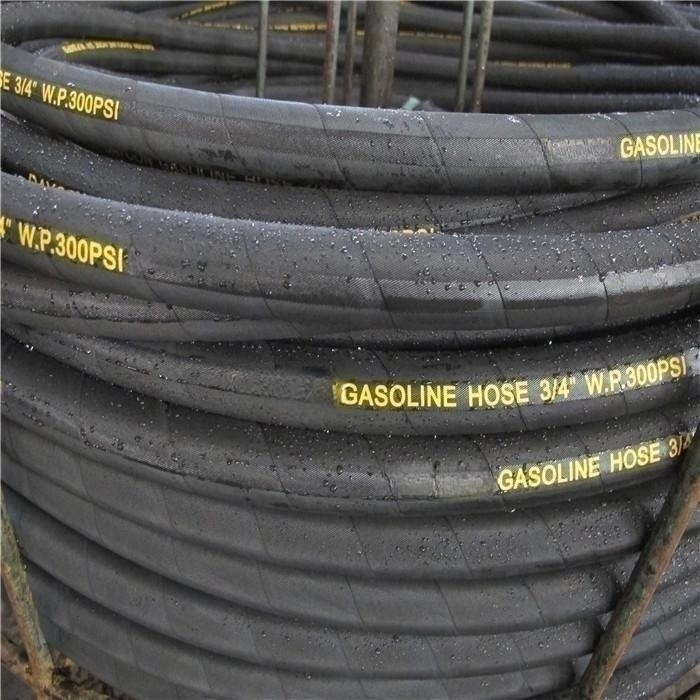
Performance & Engineering
The performance of 8mm hydraulic hose is governed by several critical engineering considerations. Force analysis focuses on hoop stress within the hose wall under internal pressure. The reinforcement braids are engineered to withstand this stress and prevent hose rupture. Higher working pressures necessitate increased braid ply count or the use of higher tensile strength wire. Environmental resistance is another key aspect. Temperature extremes can affect rubber compound properties, leading to decreased flexibility and increased susceptibility to cracking. Exposure to UV radiation, ozone, and corrosive fluids can also degrade the hose material over time. Therefore, selecting a hose with appropriate chemical compatibility and UV protection is essential for long-term reliability.
Compliance requirements vary by region and application. Hydraulic hoses used in safety-critical applications, such as braking systems in automotive or heavy equipment, must meet stringent safety standards. Bend radius is a crucial engineering parameter; exceeding the minimum recommended bend radius can cause kinking, restricting fluid flow and potentially leading to hose failure. Impulse pressure testing simulates the pressure fluctuations inherent in hydraulic systems, assessing the hose’s ability to withstand cyclical loading without fatigue cracking. Fittings play a vital role in hose performance; incorrect fitting selection or improper crimping can lead to leakage or catastrophic failure. Hydraulic analysis, including pressure drop calculations, is used to optimize hose size and minimize energy losses within the system.
Technical Specifications
| Parameter | Unit | Typical Value (NBR/Steel Wire/CR Cover) | Typical Value (FKM/Steel Wire/PU Cover) |
|---|---|---|---|
| Internal Diameter | mm | 8.0 ± 0.2 | 8.0 ± 0.2 |
| Working Pressure | MPa | 20 | 30 |
| Burst Pressure | MPa | 60 | 90 |
| Temperature Range | °C | -40 to +100 | -20 to +150 |
| Reinforcement | - | Single Steel Wire Braid | Double Steel Wire Braid |
| Outer Diameter | mm | 16 | 18 |
| Minimum Bend Radius | mm | 48 | 54 |
Failure Mode & Maintenance
8mm hydraulic hose failure can manifest in several forms. Fatigue cracking, primarily in the reinforcement braids, is a common mode resulting from prolonged exposure to cyclical pressure fluctuations and vibration. This is exacerbated by improper hose routing or excessive bending. Abrasion damage to the outer cover can compromise the hose’s protective layer, leading to reinforcement corrosion and eventual failure. Chemical attack from incompatible fluids can cause swelling, softening, or cracking of the inner tube. Kinking, caused by exceeding the minimum bend radius, restricts fluid flow and can induce stress concentrations leading to failure. Improper installation, such as over-tightening or incorrect fitting selection, can damage the hose and fittings, resulting in leakage or rupture.
Preventative maintenance is critical for extending hose life. Regular visual inspections should be conducted to identify signs of abrasion, cracking, swelling, or leakage. Hose routing should be optimized to minimize bending and contact with abrasive surfaces. Fluid compatibility should be verified to ensure the hose material is suitable for the intended application. Fittings should be inspected for corrosion and proper crimping. Hose replacement should be performed at regular intervals, based on manufacturer recommendations and operating conditions. If a hose exhibits any signs of damage, it should be immediately replaced. Proper storage of hoses in a cool, dry, and dark environment can prevent degradation during periods of non-use. Flushing the hydraulic system periodically can remove contaminants that can accelerate hose wear.
Industry FAQ
Q: What is the impact of impulse pressure on the lifespan of an 8mm hydraulic hose?
A: Impulse pressure, the rapid pressure fluctuations within a hydraulic system, significantly reduces hose lifespan. Each impulse creates stress waves within the hose wall, leading to fatigue cracking in the reinforcement braids over time. Hoses specifically designed for high impulse applications incorporate specialized construction features, such as tighter braid windings and optimized rubber compounds, to mitigate this effect. The severity of the impulse (amplitude and frequency) dictates the required hose specification.
Q: How does fluid compatibility affect the selection of the inner tube material?
A: Fluid compatibility is paramount. Using an incompatible fluid can cause the inner tube to swell, soften, or degrade, leading to leakage and eventual failure. Nitrile rubber (NBR) is suitable for petroleum-based fluids, while ethylene propylene diene monomer (EPDM) is better for phosphate ester fluids. Fluorocarbon (FKM/Viton) offers the broadest chemical resistance, particularly against aggressive fluids like acids and solvents. Always consult a fluid compatibility chart before selecting a hose.
Q: What is the importance of proper crimping when attaching fittings to an 8mm hydraulic hose?
A: Proper crimping is critical for creating a leak-proof and reliable connection. Insufficient crimping can allow the fitting to slip or rotate, leading to leakage. Excessive crimping can damage the hose reinforcement, reducing its pressure capacity. Crimping should be performed using a calibrated crimping machine with the correct die set for the hose and fitting combination. Regular inspection and maintenance of the crimping machine are essential.
Q: How does temperature affect the performance of 8mm hydraulic hose?
A: Temperature significantly impacts hose performance. High temperatures can reduce the rubber compound’s tensile strength and elongation, increasing susceptibility to cracking and reducing burst pressure. Low temperatures can cause the rubber to become stiff and brittle, reducing flexibility and increasing the risk of kinking. Hose selection should consider the operating temperature range of the application.
Q: What are the best practices for storing 8mm hydraulic hose to maximize its shelf life?
A: Store hoses in a cool, dry, and dark environment, away from direct sunlight, ozone sources, and heat. Avoid storing hoses bent or kinked, as this can induce stress and damage the reinforcement. Store hoses in a vertical position to prevent compression. Keep hoses clean and free from dust and debris. Regularly inspect stored hoses for signs of degradation.
Conclusion
The 8mm hydraulic hose, while seemingly a simple component, is a highly engineered product vital to the safe and efficient operation of countless hydraulic systems. Its performance relies on a complex interplay of material science, precise manufacturing processes, and careful engineering considerations. Selecting the appropriate hose requires a thorough understanding of application requirements, including pressure, temperature, fluid compatibility, and environmental factors.
Ignoring these factors can lead to premature failure, costly downtime, and potentially hazardous situations. Implementing a robust preventative maintenance program, including regular inspections and timely replacements, is crucial for maximizing hose lifespan and ensuring system reliability. As hydraulic technology continues to evolve, advancements in hose materials and manufacturing techniques will further enhance performance and durability, driving increased efficiency and safety across a wide range of industries.