
Apr . 01, 2024 17:55 Back to list
5mm hydraulic hose Performance Analysis
Introduction
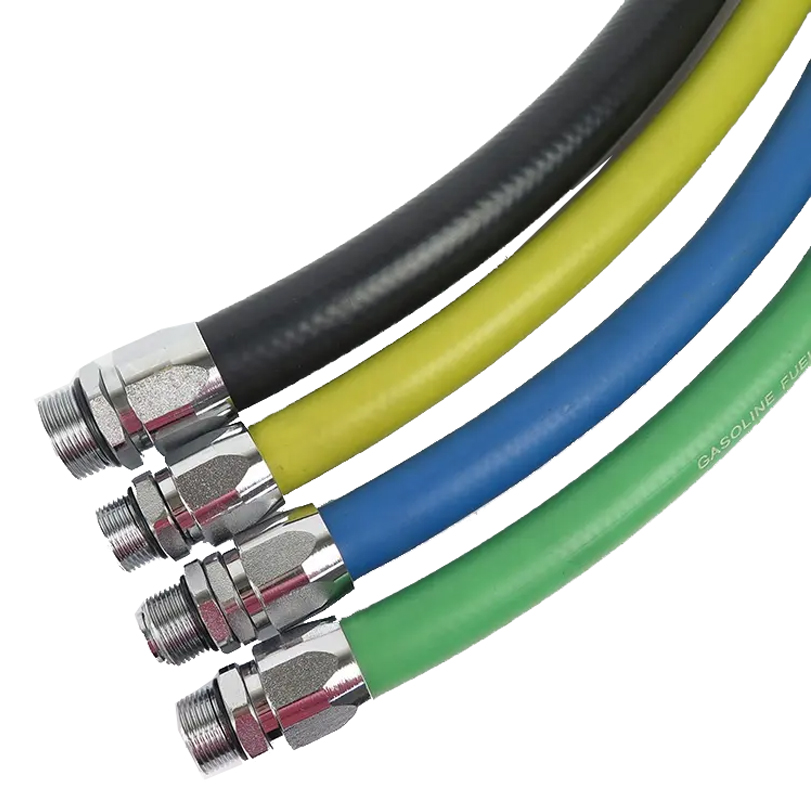
5mm hydraulic hose represents a critical component in fluid power systems, facilitating the transmission of pressurized hydraulic fluid to operate machinery across diverse industrial sectors. Defined by its internal diameter of 5 millimeters, it falls within a common size range utilized in applications requiring moderate flow rates and working pressures. This guide provides a comprehensive technical overview, encompassing material science, manufacturing processes, performance characteristics, failure modes, and relevant industry standards. Core performance attributes include burst pressure, working pressure, temperature range, and fluid compatibility. The industry faces persistent challenges related to hose longevity, particularly concerning abrasion resistance, chemical degradation, and maintaining consistent dimensional accuracy during operation. Addressing these issues is paramount for minimizing downtime and ensuring operational safety.
Material Science & Manufacturing
The construction of a 5mm hydraulic hose fundamentally relies on a multi-layered system. The innermost layer, the tube, is typically composed of synthetic rubber compounds such as nitrile rubber (NBR), chlorinated polyethylene rubber (CM), or fluorocarbon elastomers (FKM/Viton) depending on the intended fluid compatibility. NBR offers good resistance to petroleum-based fluids, while CM exhibits superior resistance to heat and aging. FKM provides exceptional resistance to a broad range of chemicals and high temperatures. The reinforcement layer, critical for pressure containment, usually consists of one or more braids of high-strength steel wire. The number of braids directly correlates with the hose’s working and burst pressure capabilities. The exterior cover is generally made of synthetic rubber, often a blend of SBR (styrene-butadiene rubber) and NBR, providing abrasion resistance, weather protection, and resistance to oil and ozone.
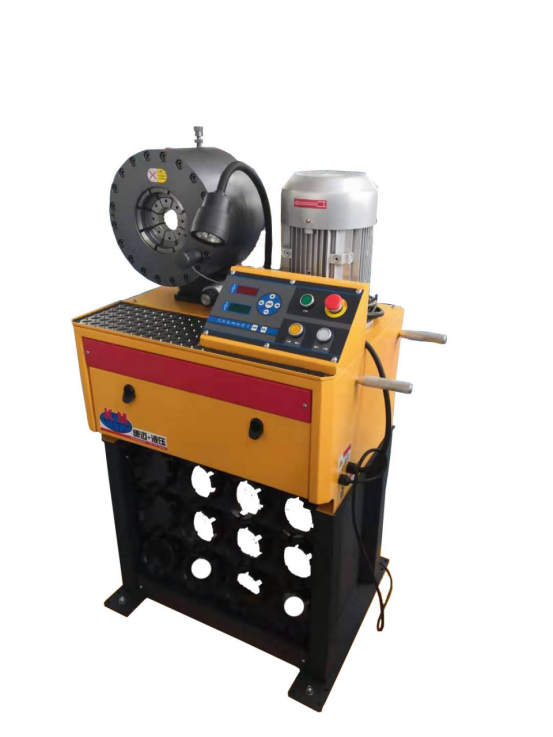
The manufacturing process begins with extrusion of the inner tube. Precise control of temperature and pressure is essential to ensure dimensional accuracy and consistent rubber density. Following extrusion, the reinforcement braids are applied via a specialized braiding machine, carefully controlling the braid angle and tension to optimize pressure resistance. The outer cover is then extruded over the braided reinforcement. Post-extrusion, the hose undergoes curing, a vulcanization process that chemically crosslinks the rubber compounds, imparting elasticity and strength. Quality control checks throughout the process, including dimensional measurements, pressure testing, and visual inspection for defects, are vital. Parameter control focuses on maintaining consistent rubber compound ratios, braid density, and curing temperatures.
Performance & Engineering
Performance of a 5mm hydraulic hose is primarily dictated by its ability to withstand internal pressure without failure. Force analysis focuses on hoop stress within the tube and the tensile stress within the reinforcement braids. The burst pressure is typically four times the working pressure, providing a safety factor. Environmental resistance is a crucial consideration. Operating temperature ranges are specified based on the rubber compounds used; exceeding these limits can lead to hardening, cracking, or reduced flexibility. Exposure to ultraviolet (UV) radiation can degrade the outer cover, reducing its protective properties. Chemical compatibility is paramount – the hose material must be inert to the hydraulic fluid being used to prevent swelling, degradation, or contamination.
Compliance requirements vary by region and application. In applications involving flammable fluids, hoses must meet antistatic standards to prevent ignition due to static electricity buildup. Fire-resistant hoses are required in certain industries, often employing specialized rubber compounds and fire-retardant additives. Functional implementation dictates hose routing and bend radius. Exceeding the minimum bend radius can induce kinking, restricting fluid flow and potentially causing hose failure. Proper fitting selection is critical to ensure a secure, leak-proof connection. Fittings must be compatible with the hose material and rated for the system’s operating pressure.
Technical Specifications
| Parameter | Unit | Typical Value (NBR Tube, 2 Wire Braid) | Tolerance |
|---|---|---|---|
| Internal Diameter | mm | 5.0 | ±0.1 |
| External Diameter | mm | 13.0 | ±0.2 |
| Working Pressure | MPa | 16.0 | N/A |
| Burst Pressure | MPa | 64.0 | N/A |
| Temperature Range | °C | -40 to +100 | N/A |
| Reinforcement | - | 2 Steel Wire Braid | N/A |
| Fluid Compatibility | - | Petroleum-based fluids, water-glycol fluids | N/A |
Failure Mode & Maintenance
Failure modes in 5mm hydraulic hoses are diverse. Fatigue cracking, induced by repeated pressure cycling, is common in the reinforcement braids. Delamination, the separation of layers, can occur due to poor bonding during manufacturing or exposure to incompatible fluids. Rubber degradation, caused by oxidation, ozone exposure, or chemical attack, leads to hardening and cracking. Abrasion, from contact with surrounding surfaces, erodes the outer cover, exposing the reinforcement. Kinking, resulting from excessive bending, restricts fluid flow and weakens the hose. Internal erosion can occur if the hydraulic fluid contains abrasive particles.
Maintenance procedures include regular visual inspections for signs of damage, such as cracks, abrasions, or swelling. Pressure testing should be conducted periodically to verify the hose’s integrity. Proper hose routing, ensuring adequate bend radius and minimizing contact with abrasive surfaces, is crucial. Hydraulic fluid should be regularly filtered to remove contaminants. When replacing a hose, ensure the new hose is compatible with the fluid and rated for the system's operating pressure. Proper fitting tightening torque is essential to prevent leaks and ensure a secure connection. Avoid using damaged or degraded hoses, and implement a scheduled replacement program based on operating conditions and manufacturer recommendations.
Industry FAQ
Q: What is the impact of hydraulic fluid temperature on the lifespan of a 5mm hydraulic hose?
A: Elevated temperatures accelerate rubber degradation, leading to hardening, cracking, and reduced flexibility. Conversely, extremely low temperatures can make the hose brittle and susceptible to cracking. Maintaining the fluid within the specified temperature range is crucial for maximizing hose lifespan. Select hose materials rated for the expected operating temperature.
Q: How does steel wire braid contribute to the pressure rating of the hose?
A: The steel wire braid provides the tensile strength to resist hoop stress induced by internal pressure. Increasing the number of braid layers proportionally increases the hose’s pressure rating. The braid angle also influences pressure resistance; a tighter braid angle generally provides greater strength.
Q: What are the key considerations for selecting the appropriate inner tube material?
A: Fluid compatibility is the primary consideration. The inner tube material must be resistant to the hydraulic fluid to prevent swelling, degradation, or contamination. Other factors include temperature range and pressure requirements. Nitrile rubber (NBR) is suitable for petroleum-based fluids, while FKM is preferred for aggressive chemicals.
Q: What are the consequences of exceeding the minimum bend radius?
A: Exceeding the minimum bend radius causes kinking, restricting fluid flow and creating stress concentrations within the hose. This can lead to premature failure, particularly fatigue cracking. Proper hose routing and support are essential to maintain the specified bend radius.
Q: What preventative measures can be taken to mitigate abrasion damage?
A: Route hoses away from sharp edges and abrasive surfaces. Use hose guards or protective sleeves where necessary. Regularly inspect the outer cover for signs of wear and replace damaged hoses promptly. Ensure proper hose support to prevent chafing against adjacent components.
Conclusion
The 5mm hydraulic hose, while seemingly a simple component, is a complex system engineered for demanding applications. Successful implementation hinges on a thorough understanding of material science, manufacturing processes, and performance characteristics. Careful consideration must be given to fluid compatibility, operating temperature, pressure requirements, and environmental factors. Prioritizing proper installation, regular maintenance, and diligent inspection are essential for maximizing hose lifespan and preventing catastrophic failures.
Future advancements in hydraulic hose technology are focused on developing more durable and chemically resistant materials, incorporating smart sensors for real-time condition monitoring, and optimizing hose designs to reduce weight and improve flexibility. Adherence to industry standards and best practices remains paramount for ensuring the safe and reliable operation of hydraulic systems.