
Apr . 01, 2024 17:55 Back to list
5/16 hydraulic hose Performance Analysis
Introduction
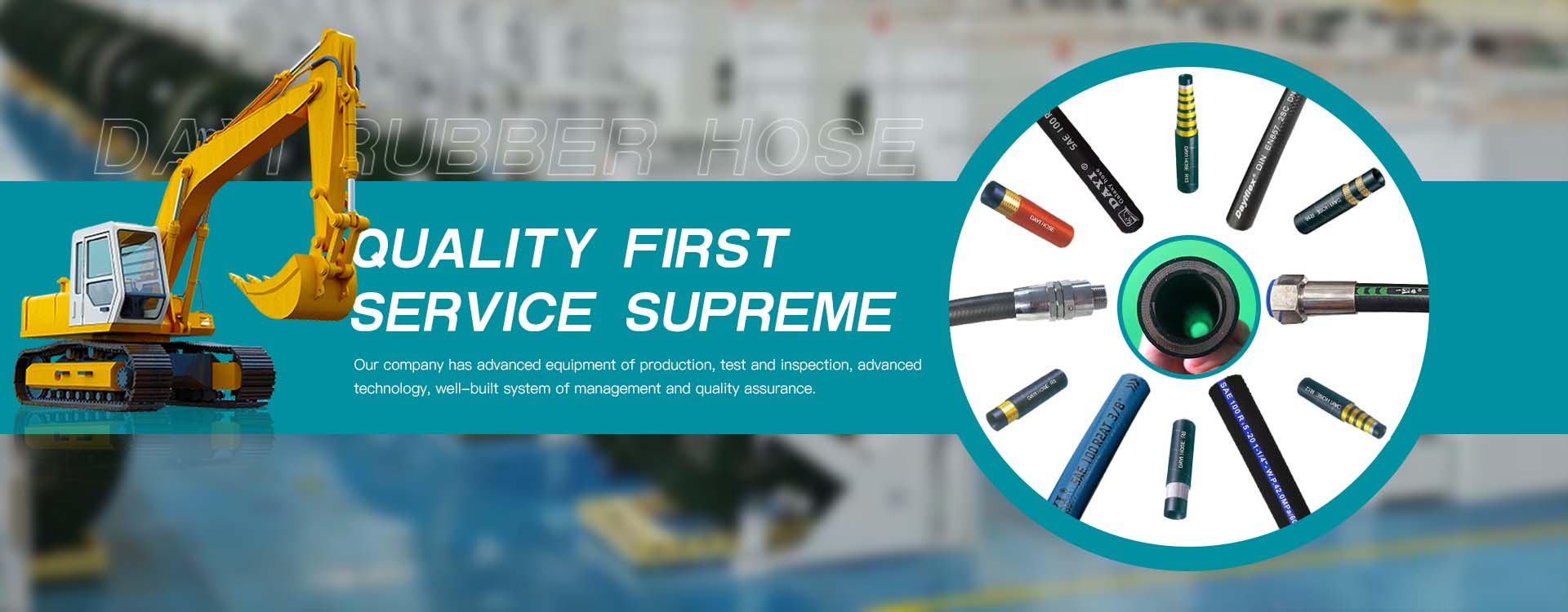
The 5/16 inch hydraulic hose represents a critical component in fluid power systems across diverse industries, including construction, agriculture, manufacturing, and automotive. Defined by its inner diameter of 5/16 inches, this hose type facilitates the transmission of pressurized hydraulic fluid, enabling the operation of heavy machinery and precision instruments alike. Within the industrial chain, it occupies a crucial intermediary position between the hydraulic pump, control valves, and actuators. Its core performance characteristics center on burst pressure, working pressure, temperature resistance, and fluid compatibility. A primary industry pain point revolves around premature hose failure due to improper material selection, exceeding pressure ratings, or inadequate maintenance, leading to costly downtime and potential safety hazards. The selection of the correct hose construction – encompassing tube, reinforcement, and cover materials – is paramount to ensuring reliable and safe operation within specific application parameters.
Material Science & Manufacturing
5/16 hydraulic hose construction typically involves four key material components: the inner tube, reinforcement layers, outer cover, and end fittings. The inner tube is commonly composed of synthetic rubbers like Nitrile (NBR), Ethylene Propylene Diene Monomer (EPDM), or Polyurethane (PU). NBR excels in oil resistance, making it suitable for general-purpose hydraulic applications. EPDM exhibits superior resistance to heat, ozone, and weathering, finding use in coolant or water-based hydraulic fluids. PU provides exceptional abrasion resistance and high-pressure capabilities. Reinforcement layers, critical for withstanding internal pressure, are generally comprised of one or more braids or spirals of high-tensile steel wire. The number and configuration of these layers dictate the hose's working and burst pressures. The outer cover, typically made of Chlorinated Polyethylene (CPE) or Polyurethane, provides protection against abrasion, oil, ozone, and weathering. Manufacturing processes involve extrusion of the inner tube and cover, followed by the application of reinforcement layers through braiding or spiral winding. Post-processing includes curing (vulcanization) to enhance material properties and adhesion, dimensional inspection, and pressure testing. Parameter control during extrusion is vital – maintaining consistent temperature, pressure, and material feed rates ensures uniform wall thickness and prevents defects. Steel wire tension during braiding directly affects pressure ratings, demanding precise control. Proper curing time and temperature are equally essential for achieving optimal rubber elasticity and durability.
Performance & Engineering
Performance of a 5/16 hydraulic hose is fundamentally governed by its ability to withstand internal pressure without failure. Force analysis centers on Hoop stress (σh = PD/2t, where P is pressure, D is diameter, and t is wall thickness) and longitudinal stress. Higher pressures necessitate thicker walls or increased reinforcement. Environmental resistance is crucial; temperature extremes can affect rubber elasticity, leading to cracking or reduced flexibility. Operating temperatures must remain within the hose’s specified range. Hydraulic fluid compatibility is equally vital. Incompatible fluids can cause swelling, degradation, or leaching of plasticizers, compromising the hose’s integrity. Compliance requirements vary by region and application. SAE J517, for example, establishes performance standards for hydraulic hoses, including burst pressure, working pressure, and temperature ratings. ISO 6898 details the requirements for hydraulic systems including hoses. In automotive applications, hoses must meet FMVSS 571.08 standards. Functional implementation dictates hose routing and bend radius. Sharp bends create stress concentrations, increasing the risk of failure. Support structures may be required to prevent kinking or abrasion. Correct end fitting selection and installation are paramount. Improperly crimped fittings can leak or fail under pressure. The hose must also be adequately protected from external damage such as abrasion, impact, and chemical exposure.
Technical Specifications
| Parameter | Unit | Typical Value (NBR/Steel Wire Braid) | Typical Value (EPDM/Spiral Steel Wire) |
|---|---|---|---|
| Inner Diameter | inches | 5/16 | 5/16 |
| Working Pressure | psi | 1000 | 2000 |
| Burst Pressure | psi | 4000 | 8000 |
| Temperature Range | °F | -40 to 212 | -40 to 250 |
| Reinforcement Type | - | Single Steel Wire Braid | Spiral Steel Wire |
| Cover Material | - | CPE | CPE |
Failure Mode & Maintenance
Common failure modes in 5/16 hydraulic hoses include burst, leaks, kinking, and abrasion. Burst failures typically stem from exceeding the working pressure or pre-existing damage to the reinforcement layers. Leaks often originate at end fittings due to improper crimping or corrosion. Kinking occurs when the hose is bent beyond its minimum bend radius, leading to internal damage and eventual failure. Abrasion results from external contact with abrasive surfaces, gradually wearing away the outer cover and exposing the reinforcement. Fatigue cracking can develop over time due to repeated flexing and pressure cycling. Internal degradation, caused by fluid incompatibility or contamination, can also lead to hose failure. Preventive maintenance is crucial. Regular visual inspections should identify cracks, abrasions, leaks, or kinking. Hose should be replaced if any of these defects are observed. Proper hose routing and support are essential to minimize stress and abrasion. Fluid cleanliness is paramount; filtration systems should be used to remove contaminants. End fittings should be inspected for corrosion and proper crimping. Hoses should be stored in a cool, dry place away from direct sunlight and ozone sources. Avoid twisting the hose during installation, and ensure the bend radius is not exceeded. Regularly check hose connections for tightness and evidence of leakage.
Industry FAQ
Q: What is the significance of the hose's "dash size" (e.g., -8, -10) in relation to the 5/16 inch diameter?
A: The dash size is a standardized numerical designation for hydraulic hose. While a 5/16 inch hose isn't typically referenced by a dash size, the dash numbering system correlates to the hose's inner diameter in sixteenths of an inch. For example, a dash-8 hose has an inner diameter of 8/16 inch, or 1/2 inch. It's a convenient shorthand for quick identification and compatibility checking, particularly when selecting fittings.
Q: How do I determine the appropriate working pressure rating for my application?
A: The working pressure rating should always exceed the maximum system pressure, including any pressure spikes or surges. A safety factor of at least 4:1 is recommended. Consider the pump’s pressure output, valve settings, and potential for pressure increases due to thermal expansion. Consulting the equipment manufacturer’s specifications is also crucial.
Q: What are the differences between braided and spiral-wound reinforcement?
A: Braided reinforcement provides strength in all directions, offering good flexibility and resistance to kinking. Spiral-wound reinforcement, typically utilizing a single wire wound at an angle, provides higher pressure ratings but is less flexible and more susceptible to kinking. Spiral hose generally provides greater resistance to impulse pressures.
Q: Can I use different types of hydraulic fluid in the same hose?
A: No. Different hydraulic fluids have varying chemical compositions. Using an incompatible fluid can cause the hose material to swell, degrade, or become brittle, leading to premature failure. Always verify fluid compatibility with the hose's inner tube material.
Q: What is the correct procedure for crimping hose fittings?
A: Proper crimping requires a calibrated crimping machine and the correct die set for the hose and fitting combination. The crimp must provide a leak-proof seal without damaging the hose reinforcement. Improper crimping can lead to leaks, bursts, or premature failure. It's critical to follow the fitting manufacturer’s instructions and employ trained personnel.
Conclusion
The 5/16 hydraulic hose, while seemingly a simple component, represents a critical link in any hydraulic system. Its performance relies on a complex interplay of material science, manufacturing precision, and engineering considerations. Selecting the appropriate hose construction – encompassing tube, reinforcement, and cover materials – is fundamental to achieving reliable, safe, and efficient operation. Understanding the potential failure modes and implementing a robust preventive maintenance program are equally important for minimizing downtime and extending service life.
Future developments in hydraulic hose technology are focused on enhanced materials with improved temperature resistance, chemical compatibility, and abrasion resistance. Advancements in manufacturing processes, such as automated braiding and spiral winding, are contributing to increased production efficiency and consistent quality. The integration of sensor technology within hose assemblies to monitor pressure, temperature, and wear is also emerging as a potential solution for predictive maintenance and improved system reliability.