
Apr . 01, 2024 17:55 Back to list
4sp hydraulic hose Performance Analysis
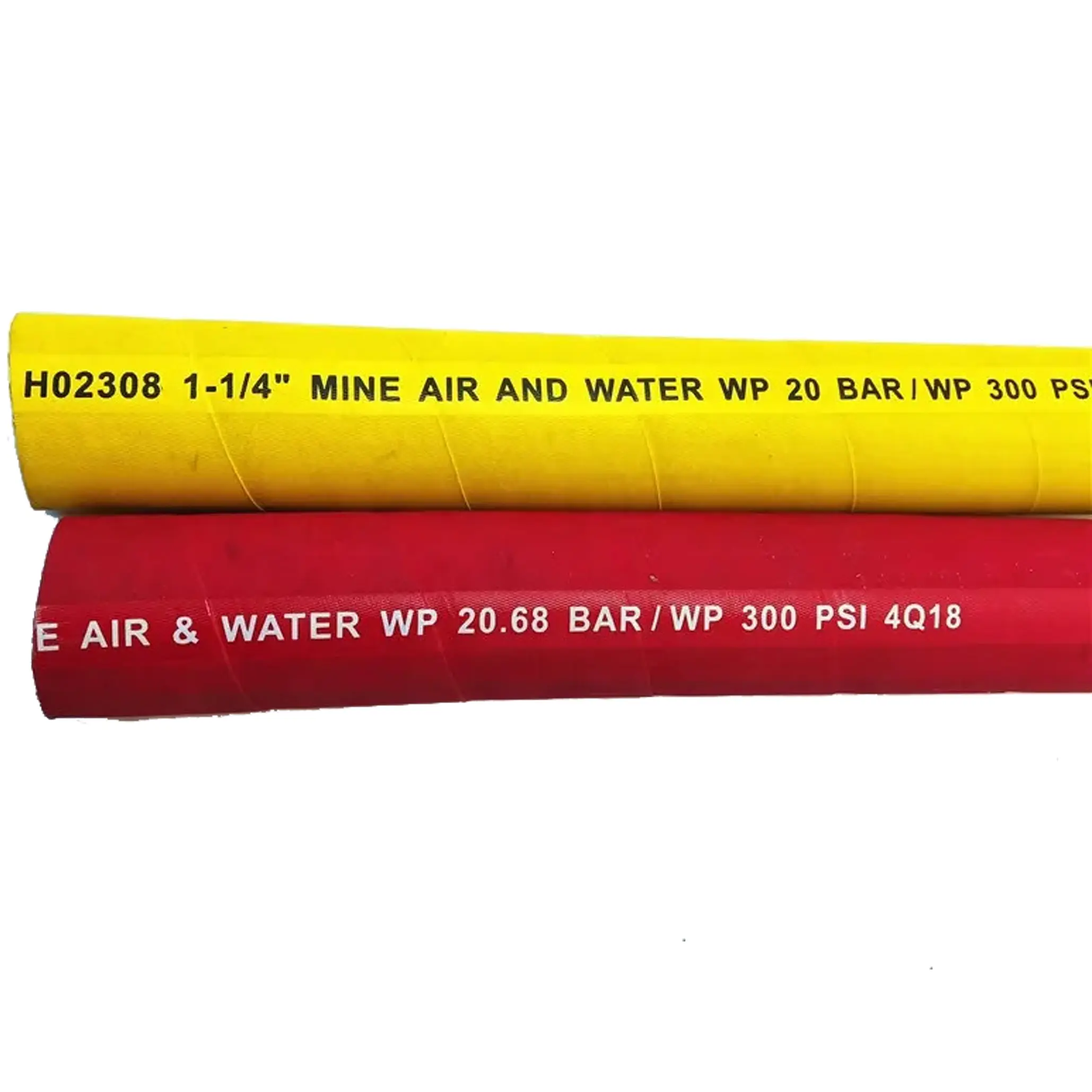
Introduction
4SP hydraulic hose represents a critical component in fluid power systems, commonly utilized in agricultural, construction, mining, and industrial machinery. Categorized under the SAE 100R4 standard, this hose is engineered for medium-pressure applications, offering a balance between flexibility and durability. Its construction involves multiple layers of reinforcing braid, typically comprised of steel wire, embedded within a synthetic rubber inner tube and outer cover. The ‘4SP’ designation signifies four spiral plies of steel wire reinforcement, determining its pressure capacity and burst strength. Understanding the material science, manufacturing intricacies, performance characteristics, and potential failure modes of 4SP hose is paramount for ensuring system reliability and operational safety. This guide provides an in-depth technical analysis of 4SP hydraulic hose, addressing crucial considerations for procurement, implementation, and maintenance within demanding industrial environments.
Material Science & Manufacturing
The core components of 4SP hydraulic hose dictate its overall performance. The inner tube is commonly constructed from synthetic rubbers such as nitrile (NBR), offering excellent resistance to petroleum-based hydraulic fluids. NBR’s polymer structure provides the necessary elasticity to withstand continuous flexing and pressure fluctuations. The reinforcement layer utilizes high-tensile steel wire, typically carbon steel, precisely wound in a spiral pattern. The steel wire’s yield strength and tensile modulus are critical parameters, influencing the hose’s burst pressure and resistance to kinking. The outer cover is typically formulated from Chloroprene rubber (CR), providing abrasion resistance, ozone protection, and weatherability. The selection of CR is vital to safeguard the steel reinforcement from corrosion.
Manufacturing involves a multi-stage process. First, the inner tube is extruded through a die, establishing the desired internal diameter and wall thickness. Simultaneously, the steel wire is spirally wound around a mandrel. The inner tube is then applied over the steel wire reinforcement, followed by the application of bonding agents to ensure adhesion between layers. This assembly is then vulcanized – a process involving heat and pressure – to chemically crosslink the rubber polymers, imparting strength, elasticity, and resistance to degradation. The outer cover is then extruded over the reinforced tube and similarly vulcanized. Key parameter control during manufacturing includes maintaining precise wire tension, consistent rubber compound mixing ratios, accurate temperature and pressure profiles during vulcanization, and rigorous dimensional inspection. Variations in these parameters can result in defects such as wire protrusion, delamination, and uneven wall thickness.
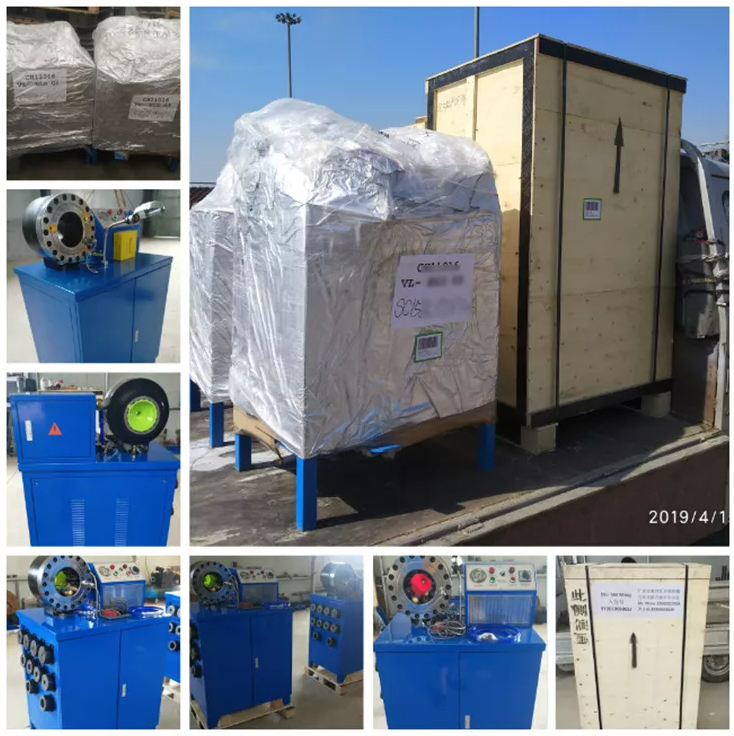
Performance & Engineering
The performance of 4SP hydraulic hose is dictated by its ability to withstand internal pressure, external stress, and environmental factors. Burst pressure, typically ranging from 4000 to 5000 psi depending on size and manufacturer, is a critical performance metric. This is determined through hydrostatic testing, where the hose is pressurized to several times its working pressure until failure. Minimum bend radius is also crucial; exceeding this radius can induce kinking, restricting fluid flow and potentially causing hose failure. Fatigue life, assessed through cyclic pressure testing, determines the hose’s durability under repeated loading conditions.
Engineering considerations include stress analysis of the hose assembly under operational loads. Factors such as hose routing, bend angles, and fitting types significantly influence stress concentrations. Incorrectly installed fittings, or those not compatible with the hose, can create leak paths and accelerate failure. Environmental resistance is also a key concern. Prolonged exposure to extreme temperatures, UV radiation, and corrosive substances can degrade the rubber compounds, reducing their elasticity and increasing the risk of cracking. Compliance requirements, notably SAE 100R4, dictate minimum performance standards and testing protocols. Proper hose selection for the intended application, considering fluid compatibility, pressure requirements, and operating temperature, is crucial for ensuring system reliability and safety.
Technical Specifications
| Parameter | Unit | Typical Value | Test Standard |
|---|---|---|---|
| Working Pressure | psi | 3000 | SAE 100R4 |
| Burst Pressure | psi | 12000 | SAE 100R4 |
| Inner Tube Material | - | Nitrile Rubber (NBR) | ASTM D2000 |
| Reinforcement | - | Four Spiral Steel Wire | SAE 100R4 |
| Outer Cover Material | - | Chloroprene Rubber (CR) | ASTM D2000 |
| Temperature Range | °F | -40 to +212 | SAE 100R4 |
Failure Mode & Maintenance
4SP hydraulic hose is susceptible to several failure modes. Fatigue cracking, originating from stress concentrations at bends or fittings, is a common failure mechanism, particularly in systems with cyclic pressure loads. Wire protrusion, caused by degradation of the rubber cover, can lead to hose rupture and potential injury. Delamination, the separation of the rubber layers from the steel reinforcement, reduces the hose’s pressure capacity and can result in catastrophic failure. Oxidation and UV degradation can cause the outer cover to become brittle and crack, accelerating the aging process. Abrasion, caused by contact with abrasive surfaces, can wear through the cover, exposing the steel reinforcement to corrosion.
Preventive maintenance is crucial for extending hose life and ensuring system safety. Regular visual inspections should be conducted to identify signs of wear, cracking, or abrasion. Hose routing should be optimized to minimize bending and stress concentrations. Fittings should be checked for proper installation and compatibility. Hydraulic fluid should be regularly analyzed to ensure it is clean and free of contaminants. If a hose shows any signs of damage, it should be replaced immediately. Proper storage of hoses is also important; they should be stored in a cool, dry, and dark place to prevent degradation. Implementing a hose management program, including tracking hose age and service history, can further enhance reliability and reduce the risk of unexpected failures.
Industry FAQ
Q: What is the impact of fluid compatibility on 4SP hose lifespan?
A: Incompatible fluids can cause the inner tube to swell, soften, or degrade, leading to reduced pressure capacity and premature failure. Always verify the hose’s fluid compatibility with the specific hydraulic fluid used in the system. NBR is generally suitable for petroleum-based fluids, but other fluids may require alternative inner tube materials, such as EPDM.
Q: How does hose layline marking contribute to traceability and maintenance?
A: Layline markings provide crucial information about the hose manufacturer, manufacturing date, pressure rating, and hose type. This information is essential for traceability, allowing for identification of potential batch issues and facilitating proper maintenance and replacement schedules.
Q: What fitting types are recommended for 4SP hose, and what are the potential issues with incorrect fitting selection?
A: Field-attachable fittings, such as crimp fittings and swage fittings, are commonly used with 4SP hose. Incorrect fitting selection can lead to leaks, hose blow-out, and reduced system performance. The fitting must be properly sized and rated for the hose’s pressure capacity and the intended application.
Q: What are the best practices for mitigating kinking in 4SP hose installations?
A: Maintaining the minimum bend radius specified by the manufacturer is critical. Avoid sharp bends and tight routing. Utilize hose guards or support brackets to prevent the hose from being subjected to excessive bending or external forces. Ensure the hose is properly supported along its entire length.
Q: How does temperature affect the performance and lifespan of 4SP hydraulic hose?
A: Operating temperatures outside the specified range (-40°F to +212°F) can degrade the rubber compounds, reducing their elasticity and increasing the risk of cracking. High temperatures can accelerate oxidation, while low temperatures can cause the rubber to become brittle. Always select a hose rated for the anticipated operating temperature.
Conclusion
The 4SP hydraulic hose is a robust and versatile solution for medium-pressure hydraulic applications. Its performance and longevity are intrinsically linked to material selection, manufacturing precision, proper installation, and diligent maintenance. A thorough understanding of its material properties – the interplay between NBR, steel reinforcement, and CR cover – is fundamental to predicting its behavior under stress. Careful consideration of operational parameters, including pressure, temperature, and fluid compatibility, is essential for ensuring optimal performance and preventing premature failure.
Moving forward, advancements in rubber compounding and reinforcement technologies will likely lead to enhanced 4SP hose designs with improved resistance to abrasion, degradation, and fatigue. The implementation of predictive maintenance programs, utilizing sensor-based monitoring of hose condition, will further optimize hose management and reduce downtime. Ultimately, a proactive approach to hose selection, installation, and maintenance is paramount for maximizing the lifespan and reliability of hydraulic systems utilizing 4SP hose.