
Apr . 01, 2024 17:55 Back to list
38mm hydraulic hose Performance Analysis
Introduction
38mm hydraulic hose is a critical component in fluid power systems, designed for the transmission of hydraulic fluid to actuate machinery. Positioned within the broader hydraulic system as the flexible conduit between pumps, valves, and actuators, its primary function is to deliver pressurized fluid while maintaining system integrity and operational efficiency. This guide provides an in-depth technical analysis of 38mm hydraulic hose, covering material science, manufacturing processes, performance characteristics, failure modes, and relevant industry standards. Core performance indicators include burst pressure, working pressure, impulse performance, and resistance to fluid compatibility and environmental degradation. A key industry pain point is ensuring hose assemblies can consistently meet demanding pressure and temperature cycles while resisting premature failure due to abrasion, kinking, or chemical attack. Selecting the correct hose construction for a specific application is paramount for both safety and minimizing costly downtime.
Material Science & Manufacturing
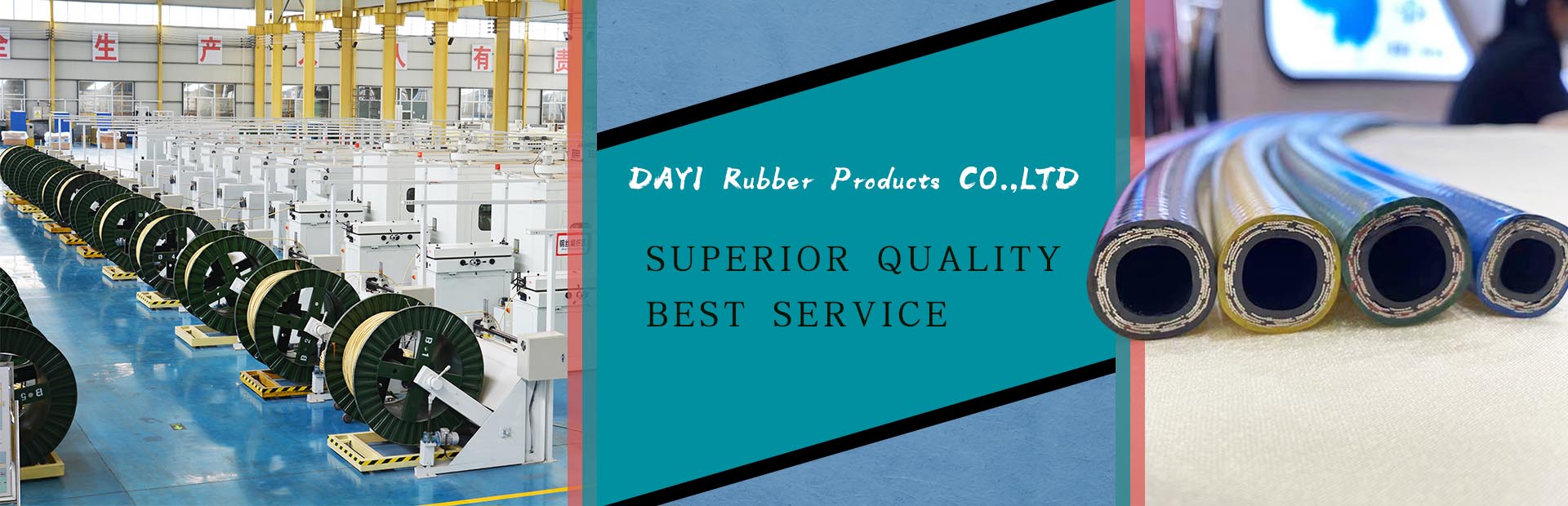
The construction of a 38mm hydraulic hose involves multiple layers, each contributing to its overall performance. The inner tube, typically composed of a synthetic rubber compound like nitrile (NBR), chloroprene (CR), or ethylene propylene diene monomer (EPDM), provides resistance to the hydraulic fluid being conveyed. NBR offers excellent resistance to petroleum-based fluids, CR to heat and ozone, and EPDM to phosphate ester fluids. The reinforcement layer, crucial for pressure containment, is commonly constructed from multiple high-tensile steel wire braids or spiraled steel wire. The number of braids and wire diameter directly correlate with the hose’s burst pressure rating. An outer cover, usually a synthetic rubber like CR or polyurethane, provides abrasion, weathering, and chemical resistance. Manufacturing begins with extrusion of the inner tube, followed by application of the reinforcement layer via winding or braiding. The outer cover is then extruded over the reinforcement. Key parameters in the manufacturing process include precise control of rubber compound formulation (viscosity, curing agents), braid angle and tension, and extrusion temperature to ensure consistent wall thickness and adhesion between layers. Post-production testing includes hydrostatic pressure testing to verify burst pressure, impulse testing to assess fatigue resistance, and dimensional checks to ensure adherence to specifications. Inconsistent curing can lead to reduced elasticity and increased susceptibility to cracking. Improper braid tension compromises pressure containment.
Performance & Engineering
The performance of a 38mm hydraulic hose is governed by several engineering principles. Force analysis focuses on hoop stress within the hose wall due to internal pressure, calculated using the thin-walled cylinder formula (σ = Pr/t, where σ is hoop stress, P is pressure, r is radius, and t is wall thickness). The reinforcement layer resists this stress, preventing hose expansion and failure. Environmental resistance is critical; exposure to extreme temperatures, UV radiation, ozone, and chemicals can degrade the rubber compounds, reducing their flexibility and strength. Hydraulic fluid compatibility is also paramount. Incompatible fluids can cause swelling, softening, or cracking of the inner tube, leading to leaks and contamination. Compliance requirements dictate minimum safety factors for burst pressure and working pressure, as defined by standards like SAE J517. Functional implementation involves considering hose routing to avoid sharp bends (which increase stress concentrations), abrasion points, and excessive heat sources. Proper hose assembly, including correct crimping of fittings, is essential for maintaining the hose's rated performance. Incorrect crimping can lead to fitting slippage or hose blow-off under pressure. Impulse testing, simulating pressure pulsations in the hydraulic system, assesses the hose’s fatigue life and ability to withstand repeated stress cycles.
Technical Specifications
| Parameter | Unit | Typical Value (NBR/Steel Wire Braid) | Typical Value (EPDM/Steel Wire Spiral) |
|---|---|---|---|
| Inner Diameter | mm | 38.1 | 38.1 |
| Outer Diameter | mm | 53.3 | 50.8 |
| Working Pressure | MPa | 20.7 | 27.6 |
| Burst Pressure | MPa | 82.7 | 110.3 |
| Temperature Range | °C | -40 to +100 | -40 to +121 |
| Reinforcement Type | - | 6 Spiral High-Tensile Steel Wire Braid | 2 Spiral High-Tensile Steel Wire |
| Fluid Compatibility | - | Petroleum-based Hydraulic Fluids | Phosphate Ester Fluids, Water-Glycol Fluids |
Failure Mode & Maintenance
38mm hydraulic hose is susceptible to several failure modes. Fatigue cracking, often initiated at stress concentrators (e.g., fitting crimps, abrasions), occurs due to repeated pressure cycling. Delamination, the separation of layers, can result from inadequate adhesion during manufacturing or degradation of the bonding agent. Rubber degradation, caused by ozone, UV exposure, or chemical attack, reduces the hose's elasticity and strength. Abrasion, from rubbing against other components, can wear through the outer cover and expose the reinforcement layer. Kinking, caused by excessive bending, restricts fluid flow and can damage the inner tube. Oxidation leads to hardening and cracking of the rubber materials. Maintenance involves regular visual inspections for cracks, abrasions, bulges, and leaks. Hose assemblies should be replaced proactively based on their service life or if any signs of damage are observed. Proper storage in a cool, dry, and dark environment prevents premature degradation. Avoid sharp bends during installation. Ensure fittings are correctly crimped and compatible with the hose and fluid. When replacing a hose, always use a qualified technician and follow manufacturer’s recommendations. Flush the hydraulic system to remove contaminants before installing a new hose assembly. Document all maintenance activities and track hose replacement intervals to identify potential systemic issues.
Industry FAQ
Q: What is the impact of hydraulic fluid temperature on the lifespan of a 38mm hydraulic hose?
A: Elevated hydraulic fluid temperatures accelerate the degradation of rubber compounds, reducing the hose’s flexibility and increasing its susceptibility to cracking. Exceeding the recommended temperature range specified by the manufacturer significantly shortens the hose’s service life. Conversely, extremely low temperatures can reduce the hose’s flexibility, increasing the risk of kinking and damage during bending.
Q: How does the choice of fitting material affect the performance and reliability of a 38mm hydraulic hose assembly?
A: The fitting material must be compatible with both the hose and the hydraulic fluid. Incompatible materials can lead to corrosion, galvanic reactions, or degradation of the hose connection. Fittings should also be properly crimped to the hose to ensure a secure and leak-proof seal. Using substandard fittings or improper crimping techniques can result in fitting slippage or hose blow-off under pressure.
Q: What are the best practices for routing a 38mm hydraulic hose to minimize the risk of damage?
A: Avoid sharp bends, which create stress concentrators and can lead to fatigue cracking. Maintain sufficient clearance between the hose and moving parts to prevent abrasion. Shield the hose from direct exposure to extreme temperatures, UV radiation, and chemicals. Secure the hose properly to prevent whipping or vibration. Utilize hose guards or protective sleeves in areas prone to abrasion or impact.
Q: What is the significance of impulse testing in evaluating the performance of a 38mm hydraulic hose?
A: Impulse testing simulates the pressure pulsations commonly found in hydraulic systems. It assesses the hose’s ability to withstand repeated pressure surges without failure. A hose with poor impulse performance is prone to fatigue cracking and premature failure, particularly in applications involving frequent start-stop cycles or rapidly changing loads.
Q: How do I determine the appropriate working pressure for a 38mm hydraulic hose in my application?
A: The working pressure should be significantly lower than the hose’s burst pressure, typically with a safety factor of 4:1 or higher as dictated by industry standards. Consider the maximum system pressure, potential pressure spikes, and the operating temperature when selecting a hose. Always consult the hose manufacturer’s specifications and ensure the hose is rated for the intended application.
Conclusion
The 38mm hydraulic hose, while seemingly a simple component, is a sophisticated engineered product reliant on precise material science, manufacturing controls, and adherence to stringent performance standards. Its function as a critical fluid conduit demands careful consideration of operating parameters, environmental factors, and potential failure modes. Selecting the correct hose construction, ensuring proper installation, and implementing a robust maintenance program are vital for maximizing its lifespan, maintaining system integrity, and minimizing downtime.
Future advancements in hydraulic hose technology will likely focus on developing lighter-weight materials with improved temperature and chemical resistance, as well as incorporating smart sensing capabilities for real-time monitoring of hose condition and performance. The adoption of predictive maintenance strategies, based on sensor data and advanced analytics, will further enhance reliability and reduce the risk of catastrophic failures. Continued refinement of manufacturing processes and quality control measures remains essential for ensuring consistently high-quality hydraulic hose products.