
Apr . 01, 2024 17:55 Back to list
32mm hydraulic hose Performance Analysis
Introduction
32mm hydraulic hose is a critical component in fluid power systems, designed to transmit hydraulic fluid to actuators and other components at significant pressures. Positioned within the industrial chain as a direct extension of the hydraulic pump and reservoir, it facilitates the efficient transfer of power in applications ranging from construction equipment and agricultural machinery to manufacturing presses and aerospace systems. Core performance characteristics center around burst pressure, working pressure, temperature resistance, and fluid compatibility. A primary industry pain point lies in ensuring long-term reliability and preventing catastrophic failures due to pressure surges, abrasion, and environmental degradation. The selection of appropriate hose construction, including reinforcement materials and cover compounds, is paramount to system safety and operational efficiency. Recent advancements focus on reducing hose weight while maintaining or exceeding performance specifications, driven by demands for increased fuel efficiency and reduced machine inertia.
Material Science & Manufacturing
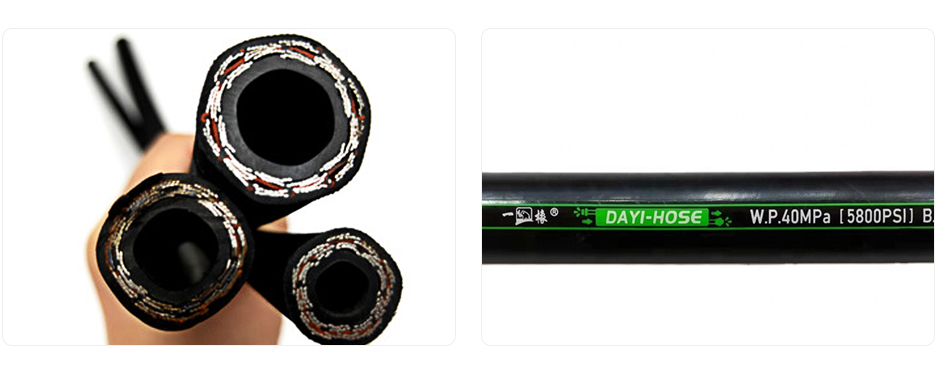
The construction of a 32mm hydraulic hose typically involves four key layers: the inner tube, reinforcement layers, outer cover, and potentially an anti-twist layer. The inner tube is commonly composed of synthetic rubber compounds like nitrile (NBR), chloroprene (CR), or ethylene propylene diene monomer (EPDM), selected based on fluid compatibility. NBR excels with petroleum-based fluids, CR offers resistance to ozone and weathering, and EPDM is suitable for phosphate ester fluids. Reinforcement is critical for withstanding pressure and is commonly achieved using multiple layers of high-tensile steel wire, spirally wound or braided. The number of layers and wire gauge directly influence the hose’s burst pressure. The outer cover is generally made from synthetic rubber, such as CR or polyurethane, providing abrasion resistance, weather protection, and chemical resistance. Manufacturing processes involve extrusion of the inner tube and cover, followed by the application of reinforcement layers via winding or braiding machines. Precise control of winding tension and ply adhesion is vital. A key parameter is the curing process, which involves vulcanization of the rubber compounds to achieve optimal physical properties. Improper curing can result in reduced elasticity, diminished tensile strength, and compromised fluid resistance. Chemical compatibility testing is conducted rigorously to ensure long-term integrity with specified hydraulic fluids. Furthermore, dimensional accuracy, particularly the inner diameter, is closely monitored to ensure proper flow characteristics and minimize pressure drop.
Performance & Engineering
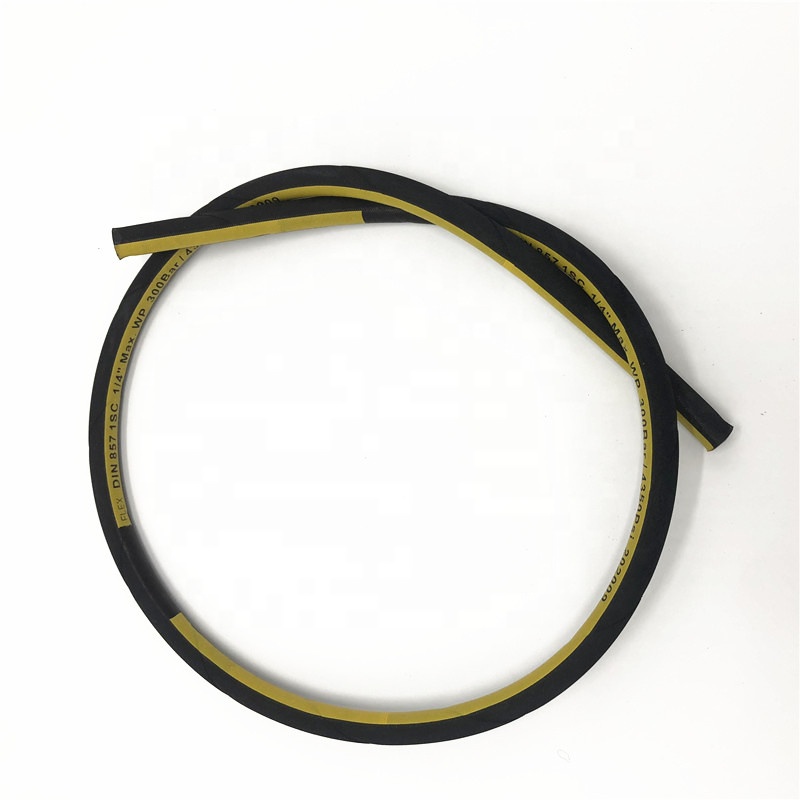
Performance of a 32mm hydraulic hose is governed by several key engineering principles. Burst pressure, the maximum pressure the hose can withstand before failure, is determined by the reinforcement layer's strength and the inner tube's integrity. Working pressure is a fraction of the burst pressure, typically specified with a safety factor (e.g., 4:1). Force analysis under pressure considers hoop stress within the hose wall, with higher pressures leading to increased stress. Environmental resistance is crucial, especially in outdoor applications. Temperature extremes can significantly affect rubber elasticity, potentially leading to cracking or hardening. Ozone exposure degrades rubber compounds over time, requiring the use of ozone-resistant materials like CR. Compliance requirements, such as those stipulated by SAE J517 and EN 853, dictate testing procedures and performance criteria. The hose must withstand impulse testing (cyclic pressure fluctuations) and static pressure testing. Bend radius is another critical parameter; exceeding the minimum bend radius induces stress concentration and premature failure. Installation practices, including proper hose routing, avoiding sharp bends, and utilizing appropriate fittings, are vital for optimal performance. Furthermore, considerations around fluid velocity impact pressure drop and potential erosion of the inner tube. Proper sizing and selection of fittings minimize turbulence and ensure a leak-free connection. Static electricity buildup can also pose a risk in certain applications, necessitating the use of conductive hoses or grounding measures.
Technical Specifications
| Parameter | Unit | SAE 100R2 AT | DIN EN 853 2SN |
|---|---|---|---|
| Inner Tube | - | Nitrile Rubber (NBR) | Nitrile Rubber (NBR) |
| Reinforcement | - | Two Steel Wire Braids | Two Steel Wire Spirals |
| Cover | - | Synthetic Rubber (CRM) | Synthetic Rubber (CRM) |
| Working Pressure | MPa | 31.5 | 31.5 |
| Burst Pressure | MPa | 126 | 126 |
| Temperature Range | °C | -40 to +100 | -40 to +100 |
Failure Mode & Maintenance
Failure modes in 32mm hydraulic hose are diverse. Fatigue cracking, initiated by repeated flexing and pressure cycling, often occurs at the reinforcement layer. Delamination, the separation of layers, can result from inadequate adhesion during manufacturing or exposure to aggressive fluids. Abrasion, caused by contact with abrasive surfaces, degrades the outer cover, exposing the reinforcement. Oxidation and weathering lead to rubber degradation, reducing elasticity and increasing susceptibility to cracking. Internal degradation can occur due to incompatible fluids, causing swelling and softening of the inner tube. External damage, such as cuts or punctures, compromises the hose’s integrity. A common failure analysis technique involves microscopic examination of fractured surfaces to determine the root cause of failure. Maintenance solutions include regular visual inspections for signs of wear, abrasion, or cracking. Pressure testing should be conducted periodically to detect leaks. Proper hose routing and support are essential to prevent excessive bending and abrasion. Fluid contamination must be minimized through filtration to prevent internal degradation. When replacing a hose, it is crucial to use compatible fittings and follow recommended torque specifications. Record keeping of hose replacement dates and failure analysis findings can help identify recurring problems and improve system reliability. Furthermore, implementing a preventative maintenance schedule based on operating hours and environmental conditions is highly recommended.
Industry FAQ
Q: What is the impact of fluid velocity on 32mm hydraulic hose life?
A: Higher fluid velocity increases the rate of erosion of the inner tube, particularly with fluids containing abrasive particles. It also increases pressure drop, requiring a larger pump or resulting in reduced system performance. Selecting a hose with a larger inner diameter can mitigate these effects by reducing fluid velocity.
Q: How does temperature affect the performance of a hydraulic hose?
A: Extreme temperatures can significantly impact hose performance. High temperatures reduce rubber elasticity and increase the risk of thermal degradation, while low temperatures can cause the rubber to stiffen and become brittle, increasing the risk of cracking. Selecting a hose with a temperature rating appropriate for the application is crucial.
Q: What are the advantages of spiral-wound reinforcement versus braided reinforcement?
A: Spiral-wound reinforcement generally offers higher flexibility and a greater resistance to kinking, making it suitable for applications with tight bends. Braided reinforcement typically provides higher burst pressure for a given hose weight.
Q: What is the significance of the SAE 100R2 AT standard?
A: SAE 100R2 AT is a widely recognized standard for hydraulic hoses used in various industrial applications. It specifies performance requirements for burst pressure, working pressure, temperature range, and fluid resistance, ensuring a minimum level of quality and safety.
Q: How important is proper fitting selection and installation?
A: Proper fitting selection and installation are critical. Incorrect fittings can lead to leaks, hose damage, and catastrophic failure. Fittings must be compatible with the hose and fluid, and installation must follow manufacturer’s recommended torque specifications.
Conclusion
The 32mm hydraulic hose is a fundamental component within hydraulic systems, demanding careful material selection, precise manufacturing processes, and adherence to stringent performance standards. Its longevity and reliability are paramount to the safe and efficient operation of critical industrial machinery. Understanding the failure modes and implementing proactive maintenance procedures are essential for minimizing downtime and preventing costly repairs.
Future advancements in hydraulic hose technology will likely focus on the development of lighter-weight materials, enhanced abrasion resistance, and improved fluid compatibility, driven by the ongoing need for increased energy efficiency and reduced environmental impact. Continued adherence to international standards and rigorous quality control measures will remain vital to ensuring the safety and reliability of these critical components.