
Apr . 01, 2024 17:55 Back to list
3/8 hydraulic hose Performance Analysis
Introduction
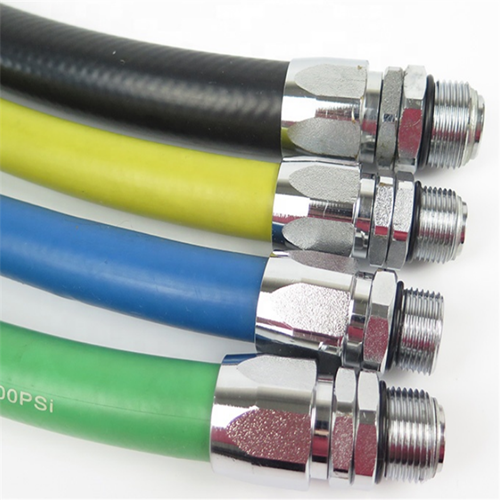
3/8 inch hydraulic hose is a fundamental component in hydraulic systems, utilized for the transmission of fluid power across a wide range of industrial applications. Its designation, 3/8 inch, refers to the internal diameter of the hose, a critical parameter influencing flow rate and pressure capacity. Positioned within the fluid power chain, it connects pumps, valves, cylinders, and other actuators, enabling the controlled movement and force exertion essential in construction machinery, agricultural equipment, manufacturing processes, and aerospace systems. Core performance characteristics include pressure rating (expressed in PSI or bar), temperature range, and fluid compatibility. The selection of the appropriate 3/8 hydraulic hose is paramount to system efficiency, reliability, and safety, directly impacting operational uptime and minimizing the risk of catastrophic failure. A key industry pain point lies in selecting hoses capable of withstanding increasingly demanding operating conditions – higher pressures, wider temperature fluctuations, and the use of increasingly specialized hydraulic fluids. Furthermore, ensuring long-term durability and resistance to abrasion, kinking, and chemical degradation represents a significant challenge.
Material Science & Manufacturing
The construction of a 3/8 hydraulic hose typically involves multiple layers, each contributing to specific performance attributes. The innermost layer, the tube, is typically composed of synthetic rubbers, specifically nitrile (NBR) for general petroleum-based fluids, or fluoropolymers like PTFE or FKM (Viton) for enhanced chemical resistance and temperature performance. NBR offers good abrasion resistance and cost-effectiveness, while PTFE and FKM are preferred for aggressive fluids and extreme temperatures. Reinforcement layers provide the hose's strength and pressure-bearing capacity. These are commonly constructed from high-tensile steel wire, spirally wound or braided, the number of layers directly correlating to the maximum working pressure. Aramid fiber reinforcement is also utilized, offering a lighter weight alternative with excellent fatigue resistance, but generally lower pressure capabilities than steel. The outer cover, typically a synthetic rubber such as SBR (styrene-butadiene rubber), provides environmental protection against abrasion, ozone, UV exposure, and oil. Manufacturing processes begin with extrusion of the inner tube, followed by application of the reinforcement layers using automated winding or braiding machinery. Precise tension control during reinforcement application is critical to ensure uniform pressure distribution and prevent localized weaknesses. The outer cover is then extruded over the reinforcement, and the hose is cured, typically using a steam vulcanization process, to crosslink the rubber compounds and achieve the desired physical properties. Critical parameters include extrusion temperature, curing time and pressure, and the precise control of reinforcement layer winding or braiding angles. Post-production testing includes burst pressure testing, impulse testing, and dimensional checks to verify compliance with industry standards.
Performance & Engineering
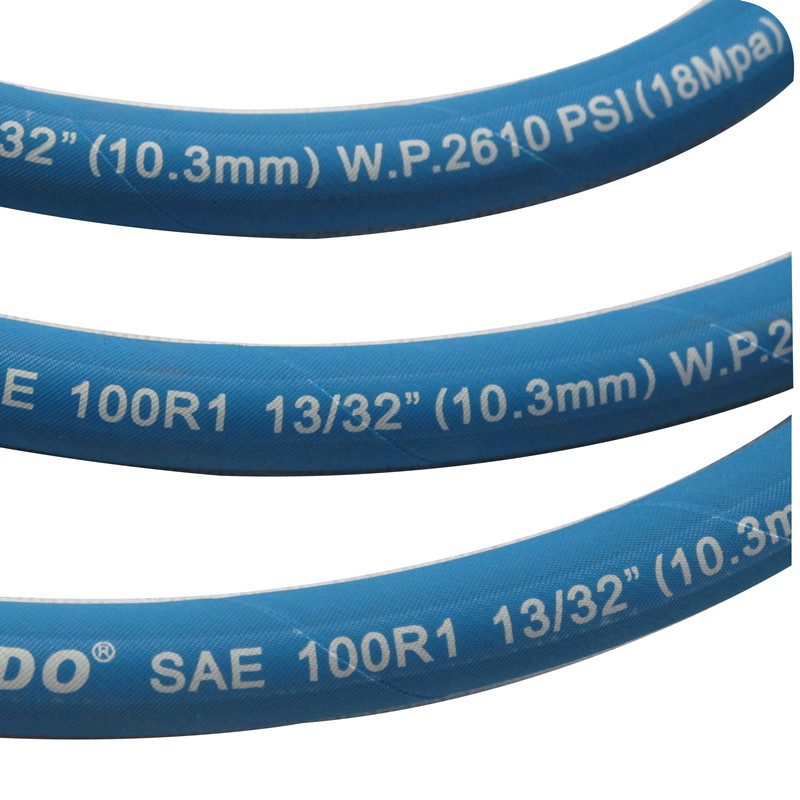
The performance of a 3/8 hydraulic hose is governed by several engineering principles. Force analysis centers on understanding the hoop stress generated within the hose wall due to internal fluid pressure. This stress is directly proportional to the pressure and radius of the hose and inversely proportional to the wall thickness. The reinforcement layers are designed to withstand this hoop stress, preventing hose rupture. Fatigue analysis is crucial, as hydraulic systems are subject to cyclic pressure fluctuations and mechanical bending. Repeated flexing can lead to fatigue cracking, particularly at connection points. Environmental resistance is another critical factor. Temperature extremes can affect the flexibility and strength of the rubber compounds. Cold temperatures can lead to stiffening and cracking, while high temperatures can cause softening and degradation. Exposure to ozone, UV radiation, and hydraulic fluids can also degrade the hose material over time. Compliance requirements, dictated by standards such as SAE J517 and ISO 6899, specify minimum performance criteria for pressure rating, temperature range, and fluid compatibility. Functional implementation involves careful consideration of hose routing, bend radius, and connection types. Sharp bends and excessive kinking can restrict flow and induce stress concentrations, leading to premature failure. Proper hose guarding and support are essential to protect the hose from abrasion, impact, and entanglement.
Technical Specifications
| Parameter | Typical Value (NBR/Steel Wire Braid) | Typical Value (PTFE/Aramid Fiber) | Unit |
|---|---|---|---|
| Inner Diameter | 0.375 | 0.375 | inch |
| Working Pressure | 2000 | 1500 | PSI |
| Burst Pressure | 8000 | 6000 | PSI |
| Temperature Range | -40 to 212 | -65 to 450 | °F |
| Outer Diameter | 0.625 | 0.75 | inch |
| Minimum Bend Radius | 6 | 8 | inch |
Failure Mode & Maintenance
Failure modes in 3/8 hydraulic hoses are diverse and often interconnected. Fatigue cracking, induced by repeated pressure cycling and bending, is a common failure mechanism, typically initiating at the reinforcement layer or connection points. Pinholes in the inner tube can result from abrasion from fluid contaminants or chemical degradation. Blowouts, characterized by a sudden and catastrophic rupture, occur when the hose is subjected to pressures exceeding its rated capacity. Kinking, resulting from excessive bending, restricts flow and can cause localized stress concentrations leading to cracking. External abrasion from contact with surrounding equipment can damage the outer cover, exposing the reinforcement layers to corrosion. Internal corrosion, caused by the presence of water or incompatible fluids, can degrade the inner tube. Maintenance strategies involve regular visual inspection for signs of damage, such as cracks, abrasions, and leaks. Hose routing should be optimized to minimize bending and avoid contact with sharp objects. Fluid filtration is critical to remove contaminants that can cause abrasion and corrosion. Hose connections should be properly torqued and inspected for leaks. Periodic pressure testing can identify hoses that are nearing the end of their service life. Replacement should occur at predetermined intervals based on operating conditions and manufacturer recommendations. A comprehensive failure analysis, including microscopic examination of the fractured surfaces, can help identify the root cause of failure and prevent recurrence.
Industry FAQ
Q: What is the impact of fluid compatibility on hose lifespan?
A: Incorrect fluid compatibility can drastically reduce hose lifespan. Certain fluids can cause the inner tube to swell, soften, or degrade, leading to leaks and failure. For example, using a petroleum-based fluid in a hose designed for phosphate ester fluids will result in rapid deterioration of the rubber compound. Always verify that the hose material is compatible with the intended fluid.
Q: How does temperature affect the working pressure of a hydraulic hose?
A: Higher temperatures generally reduce the working pressure capacity of a hydraulic hose. As temperature increases, the rubber compounds soften, reducing their ability to withstand internal pressure. Derating charts, provided by hose manufacturers, specify the allowable working pressure at different temperatures.
Q: What are the key considerations when selecting a hose reinforcement material?
A: Reinforcement material selection depends on the application requirements. Steel wire braid offers the highest pressure capacity but is heavier and less flexible. Aramid fiber provides good flexibility and fatigue resistance but has a lower pressure rating. Consider the operating pressure, bend radius, and dynamic loading conditions when making your selection.
Q: How critical is proper hose assembly and installation?
A: Proper assembly and installation are paramount. Incorrect crimping of fittings can lead to leaks or blowouts. Over-tightening or under-tightening can damage the hose or fittings. Ensure that the hose is routed correctly, avoiding sharp bends and abrasion. Use only qualified personnel and follow manufacturer's instructions.
Q: What are the benefits of using composite hoses in certain applications?
A: Composite hoses, constructed from multiple layers of different materials, offer advantages in specific applications. They can provide enhanced chemical resistance, higher temperature performance, and improved flexibility compared to traditional rubber hoses. They are commonly used in applications involving corrosive fluids or extreme operating conditions.
Conclusion
The 3/8 hydraulic hose, while seemingly a simple component, is a critical element in the safe and efficient operation of numerous hydraulic systems. Its performance is dictated by a complex interplay of material science, manufacturing processes, and engineering principles. Understanding the factors influencing hose selection, installation, and maintenance is essential for maximizing its lifespan and preventing costly failures. The ongoing demand for higher pressures, wider temperature ranges, and improved fluid compatibility continues to drive innovation in hose materials and construction techniques.
Future developments will likely focus on the integration of smart technologies, such as embedded sensors for real-time pressure and temperature monitoring, and self-healing materials to extend hose life and reduce maintenance requirements. Furthermore, advancements in manufacturing processes, such as additive manufacturing, may enable the creation of custom-designed hoses tailored to specific application needs. Continued adherence to rigorous industry standards and best practices remains paramount to ensuring the reliability and safety of hydraulic systems.