
Apr . 01, 2024 17:55 Back to list
3/4 hydraulic hose Performance Analysis
Introduction
The 3/4 inch hydraulic hose is a critical fluid conveyance component in a broad spectrum of industrial and mobile hydraulic systems. It functions as a flexible conduit for pressurized hydraulic fluid, transmitting power to actuators and other hydraulic components. Positioned within the fluid power industry chain, it directly follows the hydraulic pump and precedes control valves and cylinders. Its core performance characteristics are defined by its pressure rating, temperature range, fluid compatibility, and burst strength. Addressing industry pain points related to hose failure, particularly concerning premature degradation and unexpected downtime, this guide details the material science, manufacturing processes, performance parameters, and maintenance protocols necessary for optimal selection and operation of 3/4 hydraulic hose.
Material Science & Manufacturing
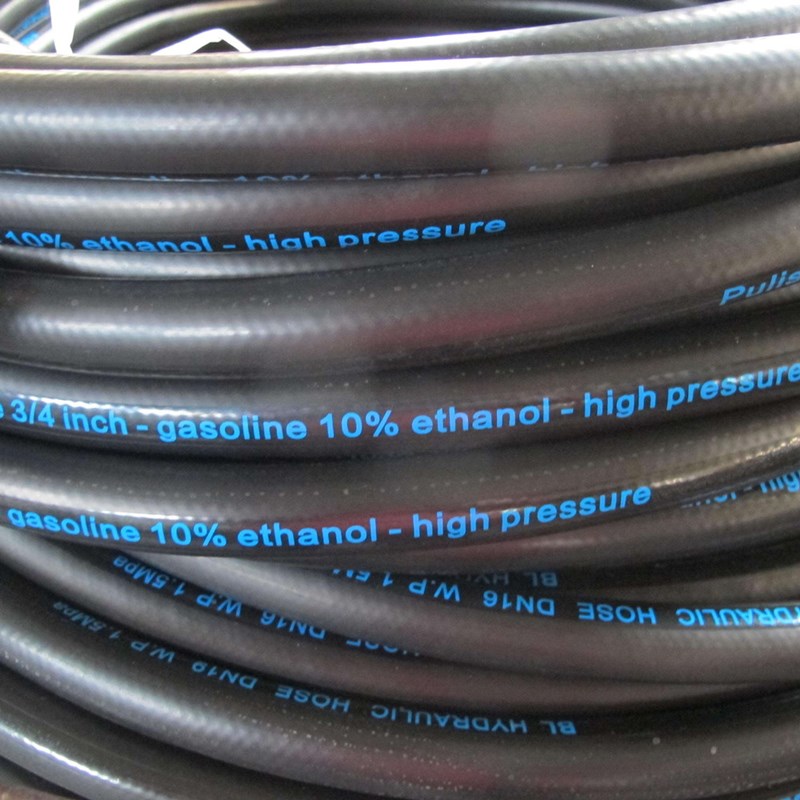
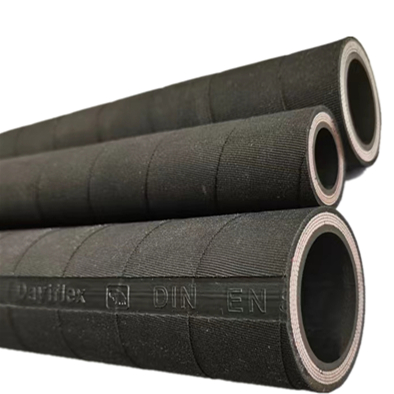
3/4 hydraulic hose construction typically involves four key layers: the inner tube, reinforcement layers, and the outer cover. The inner tube is generally composed of synthetic rubbers, most commonly nitrile rubber (NBR) for oil-based hydraulic fluids, or fluorocarbon rubber (FKM/Viton) for applications requiring high temperature resistance and compatibility with aggressive fluids like phosphate esters. NBR offers excellent abrasion resistance and cost-effectiveness, but its temperature range is limited (typically -40°C to 100°C). FKM provides superior temperature resistance (-20°C to 200°C) and chemical compatibility, but at a higher cost. The reinforcement layer dictates the hose’s pressure capacity. Common reinforcement materials include multiple layers of high-tensile steel wire (spiral or braided construction) or synthetic fiber braiding (aramid or polyester). Spiral reinforcement provides higher pressure ratings but lower flexibility compared to braided reinforcement. The outer cover is generally constructed from chloroprene rubber (CR/Neoprene) for its resistance to oil, abrasion, weathering, and ozone. Manufacturing processes include extrusion for the inner tube and cover, followed by the application of the reinforcement layers via winding or braiding. Critical parameters during manufacturing include precise control of rubber compound formulation, consistent reinforcement layer application (wire diameter, pitch, and coverage area), and accurate vulcanization (curing) to ensure optimal rubber properties. Post-production testing involves burst pressure testing, impulse pressure testing, and dimensional verification to meet industry standards.
Performance & Engineering
The performance of a 3/4 hydraulic hose is governed by several key engineering principles. Force analysis considers both static and dynamic pressure loads. Burst pressure, the pressure at which the hose fails catastrophically, is a critical safety parameter. Working pressure is significantly lower, typically 1/4 to 1/3 of the burst pressure, providing a safety factor. Impulse pressure, resulting from pressure fluctuations in the system (e.g., pump pulsations or valve switching), must be accounted for to prevent fatigue failure. Environmental resistance is vital; exposure to extreme temperatures, UV radiation, and corrosive substances can degrade the hose materials. Temperature affects rubber elasticity and pressure capacity – elevated temperatures generally reduce pressure ratings. Hose bend radius is crucial; exceeding the minimum bend radius causes kinking and localized stress concentration, reducing hose life. Compliance requirements dictate adherence to industry standards such as SAE J517 (hydraulic hose construction) and ISO 6899 (hydraulic hose assemblies). Finite Element Analysis (FEA) is often employed to model hose behavior under various loading conditions, optimizing hose design and predicting failure points. Fluid compatibility is paramount; incompatible fluids can cause swelling, softening, or cracking of the inner tube, leading to leaks and system failure. Proper hose assembly, including the selection of compatible fittings and correct crimping procedures, is essential for ensuring a leak-free and reliable connection.
Technical Specifications
| Parameter | Unit | SAE J517 Type 1 | SAE J517 Type 2 |
|---|---|---|---|
| Inner Diameter | inch | 0.75 | 0.75 |
| Working Pressure | psi | 2000 | 3000 |
| Burst Pressure | psi | 8000 | 12000 |
| Temperature Range | °F | -40 to 212 | -40 to 212 |
| Reinforcement Type | - | Braided Steel Wire | Spiral Steel Wire |
| Cover Material | - | Chloroprene Rubber (CR) | Chloroprene Rubber (CR) |
Failure Mode & Maintenance
Common failure modes in 3/4 hydraulic hose include burst failure due to exceeding pressure limits, impulse failure caused by repeated pressure surges, abrasion and wear from external contact, and degradation of rubber materials due to exposure to heat, ozone, and chemicals. Fatigue cracking can occur in the reinforcement layers, initiated by localized stress concentrations. Delamination of the rubber layers from the reinforcement is another potential failure mechanism, often caused by improper bonding during manufacturing or fluid incompatibility. Oxidation of the rubber materials results in hardening and cracking, reducing hose flexibility and increasing the risk of failure. Maintenance procedures include regular visual inspections for signs of wear, abrasion, or cracking. Hose assemblies should be routinely checked for leaks at the fitting connections. Proper routing and support of the hose is crucial to prevent abrasion and kinking. Periodic fluid analysis can detect contamination or degradation of the hydraulic fluid, which can accelerate hose failure. Replacing hoses at recommended intervals, even if no visible damage is present, is a proactive approach to preventing unexpected downtime. When replacing a hose, ensure the new hose has the same or higher pressure rating and is compatible with the hydraulic fluid. Proper torqueing of fittings is critical to ensure a secure and leak-free connection. Incorrectly torqued fittings can lead to leaks or premature failure of the hose or fitting.
Industry FAQ
Q: What is the impact of exceeding the minimum bend radius on hydraulic hose life?
A: Exceeding the minimum bend radius creates significant stress concentrations within the hose construction, particularly in the reinforcement layers and the inner tube. This localized stress accelerates fatigue failure, leading to cracking and ultimately, hose rupture. Repeated bending below the minimum radius dramatically reduces hose service life.
Q: How does fluid contamination affect hydraulic hose performance?
A: Fluid contamination, such as particulate matter or water, acts as an abrasive agent, accelerating wear on the inner tube and potentially damaging the hydraulic pump and other components. Water can promote corrosion of steel reinforcement and reduce the lubricating properties of the hydraulic fluid. Contaminants can also cause swelling or degradation of the rubber materials.
Q: What are the key differences between braided and spiral reinforced hydraulic hoses?
A: Braided hoses offer greater flexibility, making them suitable for applications with tight bends and complex routing. Spiral hoses provide higher pressure ratings and are more resistant to kinking, making them ideal for high-pressure systems with minimal bending requirements. Spiral hoses are generally more expensive than braided hoses.
Q: What is the role of proper crimping in hydraulic hose assembly?
A: Proper crimping ensures a secure, leak-free connection between the hose and the fitting. Insufficient crimping can result in leakage, while excessive crimping can damage the hose reinforcement and reduce its pressure capacity. Crimping must be performed using a calibrated crimping machine and the correct die set for the hose and fitting combination.
Q: How do I determine the correct hydraulic hose for a specific application?
A: Selecting the correct hose requires considering several factors, including the system's working pressure, temperature range, fluid compatibility, application environment (exposure to UV, ozone, chemicals), and bend radius requirements. Referencing industry standards like SAE J517 and consulting with a hydraulic hose specialist are crucial steps in the selection process.
Conclusion
The 3/4 hydraulic hose is a deceptively complex component, critical for the safe and efficient operation of countless hydraulic systems. Understanding the interplay between material science, manufacturing processes, and performance parameters is essential for selecting the appropriate hose for a given application and maximizing its service life. Failure to consider these factors can lead to premature failure, costly downtime, and potential safety hazards.
Proactive maintenance, including regular inspections, fluid analysis, and timely replacement of worn or damaged hoses, are vital for preventing catastrophic failures and ensuring the long-term reliability of hydraulic systems. Adherence to relevant industry standards and best practices in hose assembly and installation will further enhance system performance and safety.