
Apr . 01, 2024 17:55 Back to list
3/4 air hose Performance Analysis
Introduction
The 3/4 inch air hose is a ubiquitous component in pneumatic systems across diverse industries, including automotive repair, construction, manufacturing, and woodworking. It functions as a flexible conduit for compressed air, delivering power to pneumatic tools and equipment. Unlike rigid piping, air hoses provide portability and adaptability. The core performance characteristics defining a quality 3/4 air hose revolve around its burst pressure, working pressure, flexibility (measured by bend radius), abrasion resistance, and resistance to oil and chemicals. The industry commonly faces issues related to hose failure due to exceeding pressure limits, kinking, or degradation of the rubber compound, leading to costly downtime and potential safety hazards. The selection of appropriate hose construction – rubber compound, reinforcement layers – is therefore critical. This guide details the materials, manufacturing processes, performance criteria, potential failure modes, and maintenance protocols associated with 3/4 inch air hoses.
Material Science & Manufacturing
The primary material used in 3/4 air hose construction is synthetic rubber, with Polyvinyl Chloride (PVC) and thermoplastic polyurethane (TPU) gaining traction in specific applications. Nitrile rubber (NBR) is common due to its excellent oil resistance, crucial in automotive and industrial settings. Ethylene Propylene Diene Monomer (EPDM) rubber provides superior resistance to weathering, ozone, and heat. The rubber compound’s hardness, typically measured using the Shore A durometer, directly influences flexibility and abrasion resistance. Lower Shore A values yield more flexible hoses.
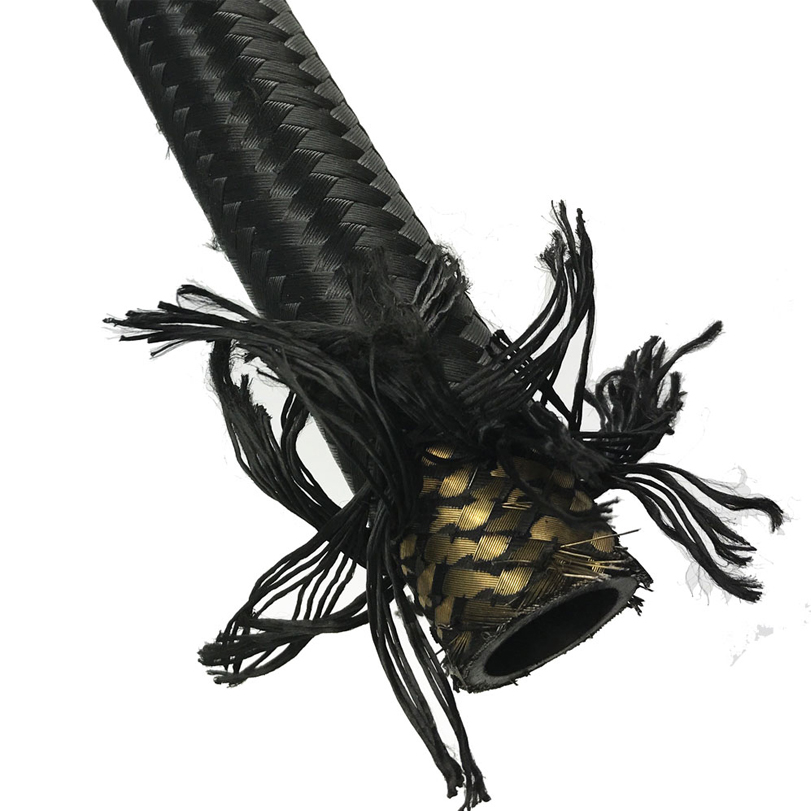
Reinforcement layers are integral to withstanding internal pressure. These typically consist of textile plies – woven nylon, polyester, or rayon – embedded within the rubber matrix. The number and orientation of these plies determine the hose's burst pressure. Spiral-wound reinforcement using high-tensile steel wire is utilized for high-pressure applications. The manufacturing process generally involves extrusion, where the rubber compound is forced through a die to create a seamless tube. Reinforcement plies are simultaneously applied during extrusion. The hose is then vulcanized – a process involving heating the rubber with sulfur to cross-link the polymer chains, enhancing its strength, elasticity, and resistance to temperature variations. Parameter control during vulcanization is critical; under-curing results in low tensile strength, while over-curing leads to brittleness. Quality control checks include burst pressure testing, dimensional accuracy measurements, and visual inspection for defects like pinholes or inclusions.
Performance & Engineering
The performance of a 3/4 air hose is governed by several engineering principles. Burst pressure, measured in PSI (pounds per square inch), represents the maximum pressure the hose can withstand before failure. Working pressure is typically 50-70% of the burst pressure to provide a safety margin. Tensile strength, crucial for resisting longitudinal stress, is directly related to the rubber compound and reinforcement layer material. Flexibility, quantified by the bend radius, impacts usability. A smaller bend radius allows for maneuvering in confined spaces. Environmental resistance is paramount; prolonged exposure to UV radiation, ozone, or extreme temperatures can degrade the rubber, reducing its elasticity and increasing the risk of cracking.
Force analysis dictates the need for adequate reinforcement to counteract the internal pressure. The hoop stress within the hose wall increases linearly with pressure and radius. Compliance requirements, such as OSHA regulations regarding pneumatic tool safety, dictate minimum burst pressure and hose inspection frequencies. Chemical compatibility is also a significant engineering consideration. Exposure to certain solvents or oils can cause swelling, softening, or dissolution of the rubber compound, leading to leaks and failure. Specific hoses are engineered to resist such chemical attacks.
Technical Specifications
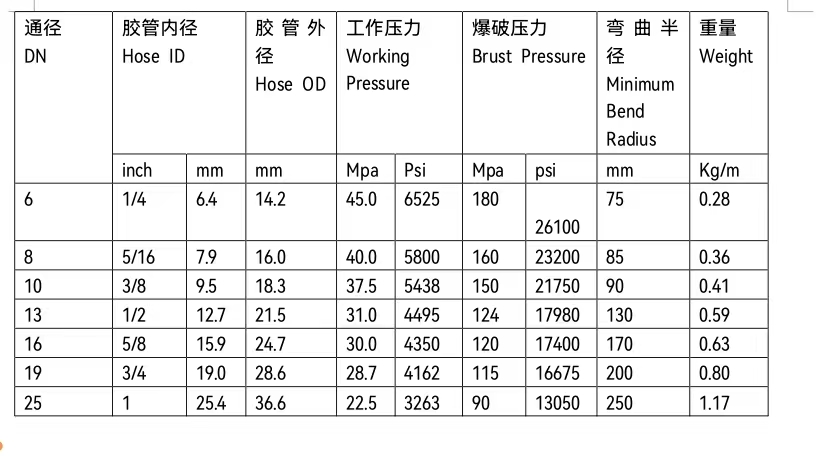
| Parameter | Unit | Typical Value (NBR/PVC Blend) | Typical Value (EPDM) |
|---|---|---|---|
| Inner Diameter | inches | 0.75 | 0.75 |
| Working Pressure | PSI | 300 | 300 |
| Burst Pressure | PSI | 900 | 900 |
| Tensile Strength | PSI | 4000 | 3500 |
| Bend Radius | inches | 6 | 8 |
| Temperature Range | °F | -40 to 212 | -40 to 250 |
Failure Mode & Maintenance
Common failure modes in 3/4 air hoses include: Fatigue cracking – caused by repeated bending and flexing, leading to microscopic cracks that propagate over time; Abrasion – resulting from contact with rough surfaces, wearing down the outer rubber layer; Kinking – occurring when the hose is sharply bent, restricting airflow and potentially causing internal damage; Delamination – separation of the reinforcement plies from the rubber matrix, reducing burst pressure; Oxidation and Ozone Degradation – leading to hardening and cracking, particularly in EPDM hoses exposed to prolonged UV and ozone exposure; Chemical Degradation – softening or swelling due to incompatibility with certain fluids.
Preventative maintenance is crucial for extending hose lifespan. Regular visual inspections should be conducted to identify cuts, abrasions, or signs of degradation. Hoses should be stored away from direct sunlight, ozone sources (like electric motors), and extreme temperatures. Avoid sharply bending or kinking the hose during use. After each use, ensure the hose is fully drained of compressed air to prevent internal pressure build-up. If a hose exhibits any signs of damage, it should be immediately removed from service and replaced. Proper coupling connections are also vital; loose connections can cause leaks and reduced efficiency. Consider using hose guards in high-abrasion environments.
Industry FAQ
Q: What is the difference between NBR and EPDM rubber in air hose applications?
A: NBR (Nitrile Butadiene Rubber) offers excellent resistance to oils and fuels, making it ideal for automotive and industrial environments where oil exposure is common. However, it has limited resistance to ozone and weathering. EPDM (Ethylene Propylene Diene Monomer) excels in outdoor applications due to its superior ozone, UV, and weathering resistance, but its oil resistance is comparatively lower. The choice depends on the specific operating environment and potential exposure to oils.
Q: How does the reinforcement layer affect the hose's performance?
A: The reinforcement layer (typically textile plies or steel wire) provides the tensile strength necessary to withstand the internal pressure of the compressed air. More reinforcement layers, or the use of higher-strength materials like steel wire, directly increase the hose's burst pressure and resistance to deformation. The type of weave or winding pattern also influences the hose's flexibility and resistance to kinking.
Q: What is the proper procedure for checking a hose for defects?
A: A thorough visual inspection should be performed before each use. Look for cuts, abrasions, bulges, cracks, or signs of delamination. Flex the hose to check for internal stiffness or cracks that may not be visible at rest. Also, check the couplings for tightness and damage. Any hose exhibiting defects should be removed from service immediately.
Q: What is the impact of temperature on air hose performance?
A: Extreme temperatures can significantly degrade the rubber compound. High temperatures accelerate oxidation and reduce the hose’s elasticity, increasing the risk of cracking. Low temperatures can cause the rubber to become brittle and less flexible. Always ensure the hose's temperature range specification is compatible with the operating environment.
Q: How often should air hoses be replaced?
A: Replacement frequency depends on usage intensity, operating environment, and the quality of the hose. As a general guideline, air hoses should be inspected regularly (at least monthly for heavy use) and replaced if any signs of damage are detected. Even without visible damage, hoses used in demanding applications should be replaced annually to prevent catastrophic failure.
Conclusion
The 3/4 inch air hose, while seemingly simple, is a critical component in numerous industrial and commercial applications. Its performance is dictated by a complex interplay of material science, manufacturing processes, and engineering principles. Understanding the material properties of rubber compounds like NBR and EPDM, the role of reinforcement layers, and the potential failure modes is essential for selecting the appropriate hose for a given application and ensuring safe and reliable operation. Proper maintenance and regular inspection are paramount to maximizing hose lifespan and preventing costly downtime.
Future advancements in air hose technology will likely focus on developing more durable and chemically resistant rubber compounds, incorporating smart sensors for real-time pressure monitoring, and utilizing advanced manufacturing techniques to improve hose consistency and performance. Adhering to relevant industry standards and implementing robust quality control procedures will remain critical for maintaining the integrity and safety of pneumatic systems utilizing 3/4 inch air hoses.