
Apr . 01, 2024 17:55 Back to list
2sn hydraulic hose Performance Analysis
Introduction
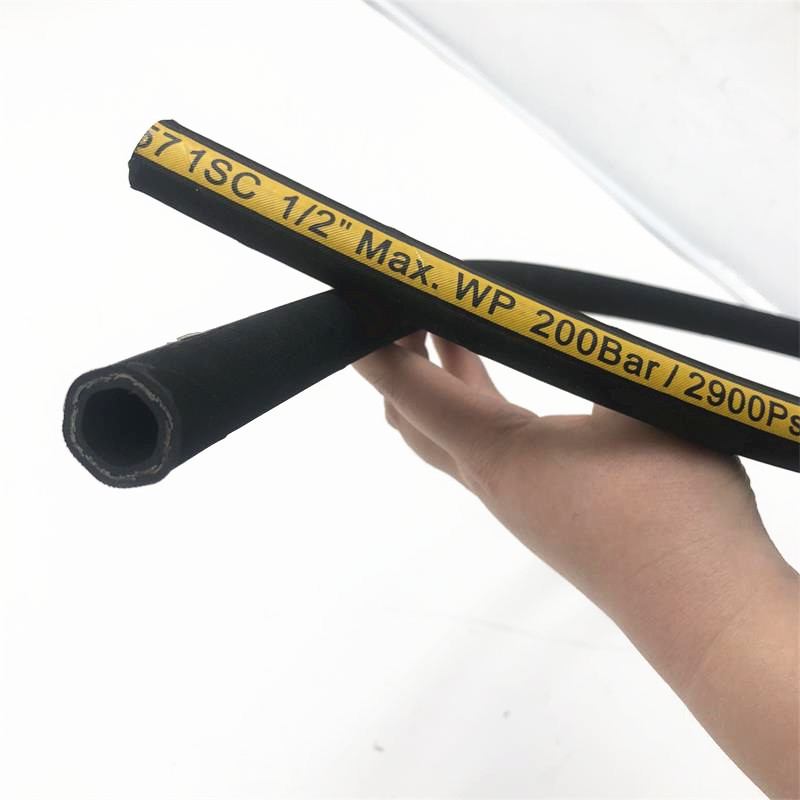
2SN hydraulic hose represents a critical component in fluid power systems across diverse industries, including construction, agriculture, mining, and manufacturing. Defined by its two steel wire reinforcement layers embedded within a synthetic rubber matrix, 2SN hose is engineered to withstand moderate to high working pressures while maintaining flexibility. Its technical positioning within the industrial chain is as a vital intermediary between the fluid power source (pump) and the actuator (cylinder, motor), reliably transmitting hydraulic fluid. Core performance characteristics are defined by its pressure rating (typically up to 2750 psi), temperature range (-40°C to +100°C), and resistance to hydraulic fluids, abrasion, and weathering. A key industry pain point addressed by 2SN hose is the need for robust, reliable fluid conveyance in demanding applications where component failure can lead to costly downtime and safety hazards. Selecting the appropriate 2SN hose requires careful consideration of fluid compatibility, operating pressure, bend radius, and environmental factors to ensure optimal performance and longevity.
Material Science & Manufacturing
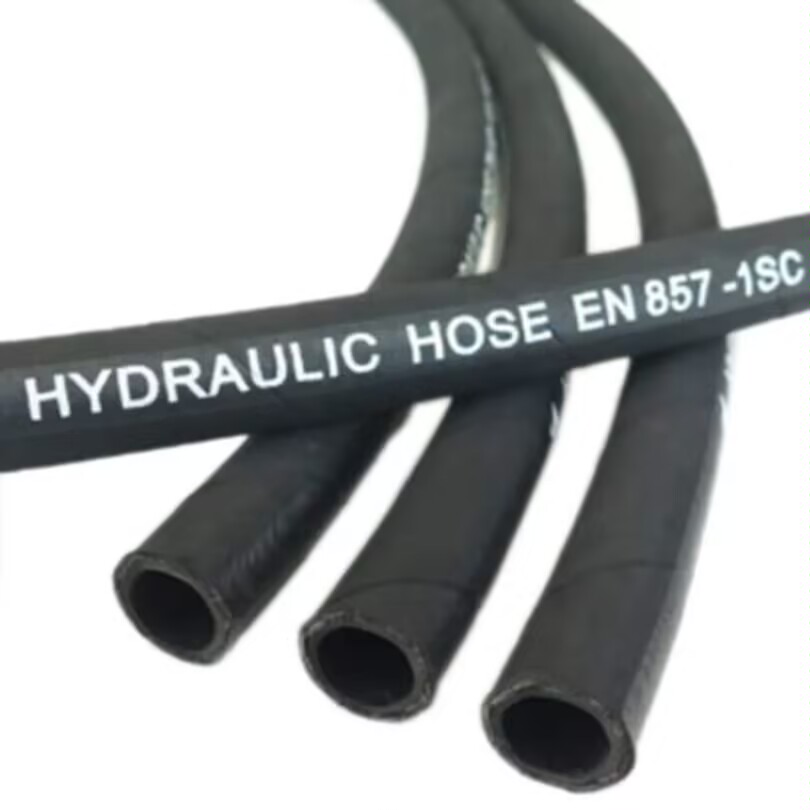
The construction of 2SN hydraulic hose relies on a specific combination of materials engineered for performance and durability. The inner tube is typically composed of oil-resistant synthetic rubber, commonly nitrile rubber (NBR) due to its excellent compatibility with petroleum-based hydraulic fluids. Alternatives include chloroprene rubber (CR) for improved heat and ozone resistance. The reinforcement layers consist of two helically wound steel wire braids, high-tensile steel wire being critical for pressure containment. These braids are precisely pitched and layered to maximize strength while maintaining hose flexibility. The outer cover is generally composed of Chlorinated Polyethylene (CPE) or Synthetic Rubber (SR), providing abrasion, weathering, and ozone resistance.
Manufacturing involves a multi-stage process. First, the inner tube is extruded, forming a seamless conduit. Simultaneously, the steel wire is spooled and fed into a braiding machine, forming the reinforcement layers around a mandrel. The rubber cover is then extruded over the braided reinforcement, bonding it to the inner tube. Post-extrusion, the hose undergoes a vulcanization process – a chemical curing process utilizing heat and pressure – to cross-link the rubber compounds, enhancing their strength, elasticity, and resistance to degradation. Critical parameters during manufacturing include wire tension control (affecting burst pressure), rubber compound mixing ratios (influencing fluid compatibility), and vulcanization temperature and duration (determining the final material properties). Quality control measures involve hydrostatic pressure testing to verify pressure rating and dimensional checks to ensure adherence to specifications.
Performance & Engineering
The performance of 2SN hydraulic hose is governed by fundamental engineering principles. Force analysis focuses on hoop stress within the hose wall, dictated by internal fluid pressure and the strength of the steel wire reinforcement. The steel wire braids effectively contain the pressure, preventing hose rupture. Flexibility is maintained by the helical winding of the steel wire and the elasticity of the rubber compounds. Bend radius is a critical parameter; exceeding the minimum bend radius introduces stress concentrations, increasing the risk of fatigue failure. Environmental resistance is paramount. CPE covers offer superior resistance to ozone cracking and weathering compared to SR covers. Hydraulic fluid compatibility must be considered; using incompatible fluids can cause swelling, softening, or degradation of the inner tube.
Compliance requirements are significant. SAE J517 is the primary standard governing hydraulic hose performance in North America, defining pressure ratings, temperature ranges, and testing procedures. EN 856 in Europe serves a similar function. Meeting these standards is crucial for regulatory compliance and ensuring product safety. Furthermore, considerations of electrostatic discharge (ESD) are increasingly important in certain applications, particularly those involving flammable fluids, requiring the use of conductive outer covers to prevent static buildup.
Technical Specifications
| Parameter | Unit | Typical Value | Standard Reference |
|---|---|---|---|
| Working Pressure | psi | 2200-2750 | SAE J517/EN 856 |
| Burst Pressure | psi | 8000-10000 | SAE J517/EN 856 |
| Temperature Range | °C | -40 to +100 | SAE J517/EN 856 |
| Inner Tube Material | - | NBR (Nitrile Rubber) | SAE J517/EN 856 |
| Reinforcement | Layers | 2 Steel Wire Braids | SAE J517/EN 856 |
| Cover Material | - | CPE (Chlorinated Polyethylene) | SAE J517/EN 856 |
Failure Mode & Maintenance
2SN hydraulic hose is subject to several potential failure modes. Fatigue cracking, induced by repeated flexing and pressure cycles, is a common cause of failure, particularly near fittings. Delamination, the separation of the rubber cover from the reinforcement layers, can occur due to poor bonding during manufacturing or exposure to harsh chemicals. Abrasion can degrade the outer cover, exposing the reinforcement to corrosion. Oxidation of the rubber compounds can lead to hardening and cracking over time, especially in high-temperature environments. Internal degradation of the inner tube can occur due to incompatible fluids or excessive heat.
Preventative maintenance is critical. Regular visual inspections should be conducted to check for abrasions, cracks, bulges, or leaks. Hose assemblies should be inspected after initial installation and periodically thereafter, with frequency dependent on operating conditions. Proper routing and support are essential to minimize bending stress. Avoid sharp bends and ensure adequate clearance from moving parts. If a hose shows signs of damage, it should be replaced immediately. When replacing hoses, use fittings specifically designed for 2SN hose and ensure proper crimping to prevent leakage. Avoid over-tightening fittings, as this can damage the hose and fitting. Flush the hydraulic system periodically to remove contaminants that can accelerate hose degradation.
Industry FAQ
Q: What is the primary difference between 2SN and 4SP hydraulic hose?
A: 2SN hose utilizes two steel wire braids for reinforcement, providing moderate pressure capacity and flexibility. 4SP hose employs four spiral-wound steel wire layers, offering significantly higher pressure ratings (up to 4000+ psi) but with reduced flexibility. The choice depends on the specific application's pressure requirements and routing constraints.
Q: How does temperature affect the performance of 2SN hose?
A: Operating outside the specified temperature range (-40°C to +100°C) can compromise the hose's performance. High temperatures accelerate rubber degradation, reducing its elasticity and increasing the risk of cracking. Low temperatures can stiffen the hose, reducing its flexibility and increasing the risk of kinking.
Q: What is the impact of improper hose routing on service life?
A: Improper routing, such as sharp bends or abrasion against other components, significantly reduces service life. Sharp bends create stress concentrations, leading to fatigue failure. Abrasion damages the outer cover, exposing the reinforcement to corrosion. Proper hose routing and support are critical for maximizing longevity.
Q: What fluid compatibility considerations are important when selecting 2SN hose?
A: The inner tube material must be compatible with the hydraulic fluid being used. Incompatible fluids can cause swelling, softening, or degradation of the rubber, leading to leaks and premature failure. Nitrile rubber (NBR) is compatible with most petroleum-based hydraulic fluids, but specific applications may require alternative materials like EPDM for phosphate ester fluids.
Q: What is the significance of the SAE J517 standard for 2SN hose?
A: SAE J517 defines the performance requirements and testing procedures for hydraulic hose. Compliance with this standard ensures that the hose meets minimum safety and performance criteria. It covers aspects like pressure rating, temperature range, and burst pressure, providing a benchmark for quality and reliability.
Conclusion
2SN hydraulic hose represents a reliable and cost-effective solution for moderate-pressure hydraulic fluid conveyance across a wide range of industrial applications. Its construction, utilizing synthetic rubber, steel wire reinforcement, and a durable outer cover, is carefully engineered to withstand demanding operating conditions. Understanding the material science, manufacturing processes, and performance characteristics of 2SN hose is crucial for ensuring optimal selection, installation, and maintenance, maximizing system efficiency and minimizing downtime.
Future trends in hydraulic hose technology include the development of lighter-weight materials, improved abrasion resistance, and enhanced fluid compatibility. Furthermore, the integration of sensor technology into hose assemblies will enable real-time monitoring of pressure, temperature, and condition, providing predictive maintenance capabilities. Continued adherence to international standards and a focus on quality control will remain paramount for ensuring the safety and reliability of 2SN hydraulic hose in evolving industrial environments.