
Apr . 01, 2024 17:55 Back to list
25mm hydraulic hose Performance Analysis
Introduction
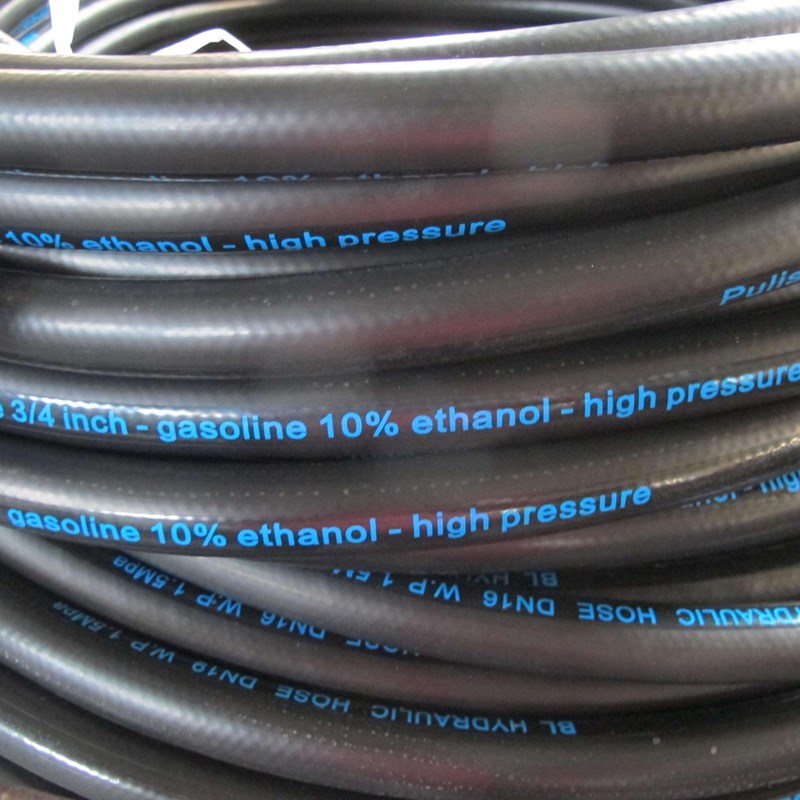
25mm hydraulic hose is a critical component in fluid power systems, widely utilized across industrial machinery, construction equipment, agricultural vehicles, and manufacturing processes. Defined by its 25mm (approximately 1 inch) internal diameter, this hose facilitates the transmission of hydraulic fluid under significant pressure, enabling the operation of actuators, motors, and other hydraulic components. Its technical position in the industry chain lies between the hydraulic pump/reservoir and the final control elements. Core performance characteristics revolve around burst pressure, working pressure, temperature resistance, fluid compatibility, and resistance to abrasion and kinking. The selection of appropriate 25mm hydraulic hose is paramount to system reliability, safety, and longevity. A failure can result in significant downtime, hazardous fluid leaks, and potential injury. This guide provides a comprehensive overview of material science, manufacturing processes, performance criteria, failure modes, and maintenance recommendations for 25mm hydraulic hose.
Material Science & Manufacturing
The construction of 25mm hydraulic hose typically involves multiple layers, each contributing to specific performance characteristics. The inner tube, which directly contacts the hydraulic fluid, is commonly composed of synthetic rubbers such as nitrile (NBR), chloroprene (CR), or ethylene propylene diene monomer (EPDM). NBR offers excellent resistance to petroleum-based hydraulic fluids but limited temperature range. CR provides superior abrasion resistance and moderate oil resistance. EPDM excels in high-temperature applications and compatibility with phosphate ester fluids. The reinforcement layer provides the hose’s strength and pressure resistance. This layer often consists of multiple braids of high-tensile steel wire, or a spiral-wound construction utilizing steel wire encased in polymer. Steel wire selection is critical; high-carbon steel provides increased tensile strength, but requires careful corrosion protection. The outer cover protects the reinforcement layer from environmental damage and abrasion. Commonly made of synthetic rubber compounds like CR or polyurethane (PUR), the outer cover must withstand exposure to oils, fuels, ozone, UV radiation, and extreme temperatures.
Manufacturing processes begin with the extrusion of the inner tube to the correct dimensions. Reinforcement layers are then applied, either through braiding machines that interweave the steel wires or winding machines for spiral reinforcement. Precise tension control during braiding/winding is crucial for consistent pressure ratings. Following reinforcement, the outer cover is extruded over the assembly. Post-extrusion processes include vulcanization (curing) to crosslink the rubber polymers, enhancing their strength, elasticity, and resistance to degradation. Quality control checks at each stage involve dimensional measurements, pressure testing, and visual inspection for defects. Specialized techniques like ultrasonic testing may be employed to detect internal flaws in the reinforcement layer. Parameter control during vulcanization – temperature, pressure, and time – is critical to achieving optimal material properties and preventing under- or over-curing.
Performance & Engineering
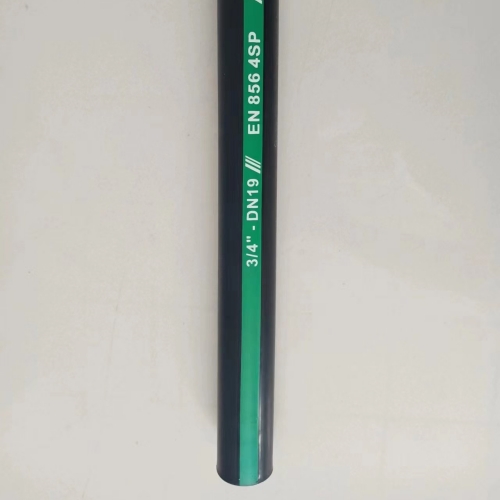
Performance of 25mm hydraulic hose is largely dictated by its ability to withstand internal pressure and external stresses. Force analysis involves assessing the hoop stress within the hose wall under pressure. The reinforcement layer bears the majority of this stress. The number of braids, wire diameter, and material strength all influence the hose's burst pressure and working pressure (typically expressed as a safety factor relative to burst pressure). Hose flexure and bending radii are also critical engineering considerations. Excessive bending can cause kinking, localized stress concentrations, and premature failure. Minimum bend radius specifications, dictated by hose construction, must be adhered to during installation.
Environmental resistance is another crucial aspect. Hydraulic systems often operate in harsh conditions – extreme temperatures, exposure to corrosive fluids, and abrasive environments. Material selection must account for these factors. For example, hoses used in arctic climates require compounds with low-temperature flexibility. Resistance to ozone cracking and UV degradation is vital for outdoor applications. Compliance requirements are also significant. Hose must meet or exceed industry standards (detailed in the Standards & Regulations section) related to pressure testing, dimensional accuracy, and material composition. Functional implementation details include proper hose fitting selection and installation. Incorrect fittings can lead to leaks, vibration, and premature failure. Proper torque specifications for fitting tightening are essential, as over-tightening can damage the hose end and under-tightening can result in leakage.
Technical Specifications
| Parameter | Typical Value (NBR Inner Tube, Steel Wire Reinforcement, CR Cover) | Typical Value (EPDM Inner Tube, Steel Wire Spiral, PUR Cover) | Testing Standard |
|---|---|---|---|
| Internal Diameter | 25.0 ± 0.5 mm | 25.0 ± 0.5 mm | ISO 1307 |
| Working Pressure | 20 MPa (2900 psi) | 25 MPa (3625 psi) | EN 856 / SAE J517 |
| Burst Pressure | 80 MPa (11600 psi) | 100 MPa (14500 psi) | EN 856 / SAE J517 |
| Temperature Range | -40°C to +100°C (-40°F to +212°F) | -50°C to +120°C (-58°F to +248°F) | ISO 1817 |
| Reinforcement Type | 2 Wire Braid | 4 Wire Spiral | SAE J517 |
| Fluid Compatibility | Petroleum-based hydraulic fluids | Phosphate ester fluids, water-glycol | DIN 73780 |
Failure Mode & Maintenance
Common failure modes in 25mm hydraulic hose include burst failure due to exceeding working pressure, fatigue cracking from repeated flexing, abrasion damage from external contact, kinking from excessive bending, and degradation of the rubber compounds due to exposure to heat, oil, or ozone. Burst failures are often catastrophic and pose a significant safety risk. Fatigue cracking initiates from internal flaws or stress concentrations and propagates over time. Abrasion damage compromises the outer cover, exposing the reinforcement layer to corrosion. Kinking restricts fluid flow and can lead to localized stress concentrations. Degradation manifests as hardening, cracking, and loss of elasticity.
Preventative maintenance is critical for maximizing hose life. Regular visual inspections should be conducted to identify signs of abrasion, cracking, or swelling. Hose should be replaced if any damage is detected. Proper routing and support are essential to prevent excessive bending and abrasion. Avoid sharp bends and ensure adequate clearance from moving parts. Fluid contamination can accelerate degradation; therefore, maintaining clean hydraulic fluid is vital. Consider using hose guards to protect against abrasion in high-wear areas. Regularly check hose fittings for leaks and ensure proper torque. Records should be kept of hose replacement dates and any observed failures for trend analysis. Implementing a preventative maintenance schedule, based on operating conditions and fluid type, will significantly reduce the risk of unexpected failures and downtime.
Industry FAQ
Q: What is the impact of hydraulic fluid type on hose selection?
A: Hydraulic fluid compatibility is paramount. NBR inner tubes are suitable for petroleum-based fluids, but incompatible with phosphate ester fluids. EPDM is the preferred choice for phosphate ester fluids and offers better resistance to water-glycol fluids. Using an incompatible fluid will cause the inner tube to swell, degrade, and ultimately fail.
Q: How does temperature affect hose performance?
A: Extreme temperatures can significantly impact hose life. High temperatures accelerate rubber degradation, reducing elasticity and strength. Low temperatures can cause rubber to become brittle and crack. Selecting a hose with a temperature range that encompasses the operating conditions is critical.
Q: What are the consequences of exceeding the hose’s working pressure?
A: Exceeding the working pressure significantly reduces the hose's lifespan and dramatically increases the risk of catastrophic failure (bursting). Bursting can release high-pressure fluid, causing severe injury or damage. Pressure relief valves should always be installed in the hydraulic system to prevent over-pressurization.
Q: What is the recommended practice for hose routing and support?
A: Hose routing should avoid sharp bends, abrasive surfaces, and direct exposure to heat sources. Proper support using clamps or sleeves is essential to prevent sagging, kinking, and abrasion. Maintain adequate clearance between the hose and moving parts.
Q: How often should hydraulic hose be inspected and replaced?
A: Inspection frequency depends on operating conditions and fluid type. A visual inspection should be performed at least annually, and more frequently in demanding applications. Hose should be replaced immediately if any signs of damage (cracking, abrasion, swelling) are detected, or at the end of its recommended service life (typically 5-7 years, depending on application).
Conclusion
The selection and maintenance of 25mm hydraulic hose are crucial for ensuring the safe and reliable operation of hydraulic systems. Understanding the material science, manufacturing processes, and performance characteristics of this critical component allows for informed decision-making, minimizing the risk of failures and maximizing system uptime. The choice between NBR, CR, and EPDM inner tubes, coupled with appropriate reinforcement types (braided or spiral), dictates the hose’s suitability for specific applications and operating conditions.
Future trends in hydraulic hose technology are focused on developing lighter-weight materials, improving abrasion resistance, and enhancing temperature performance. Advances in hose fitting designs are also aimed at increasing reliability and reducing leak potential. Proactive maintenance programs, coupled with adherence to industry standards, will continue to be essential for maximizing the lifespan and safety of 25mm hydraulic hose in demanding industrial environments.