
Apr . 01, 2024 17:55 Back to list
13mm hydraulic hose Performance Analysis
Introduction
13mm hydraulic hose is a critical component in fluid power systems, designed for the transmission of hydraulic fluid under high pressure. Its primary function is to reliably convey pressurized oil or water to actuators, motors, and other hydraulic components, facilitating the operation of machinery across diverse industries including construction, agriculture, manufacturing, and automotive. This guide provides an in-depth technical overview of 13mm hydraulic hose, covering material science, manufacturing processes, performance characteristics, failure modes, and relevant industry standards. The 13mm designation refers to the internal diameter of the hose, a key specification influencing flow rate and pressure capacity. Current industry challenges revolve around improving hose durability, reducing weight, enhancing chemical resistance to increasingly aggressive fluids, and meeting stringent environmental regulations regarding material composition and end-of-life disposal. Understanding these aspects is crucial for engineers, procurement managers, and maintenance personnel involved in hydraulic system design, implementation, and maintenance.
Material Science & Manufacturing
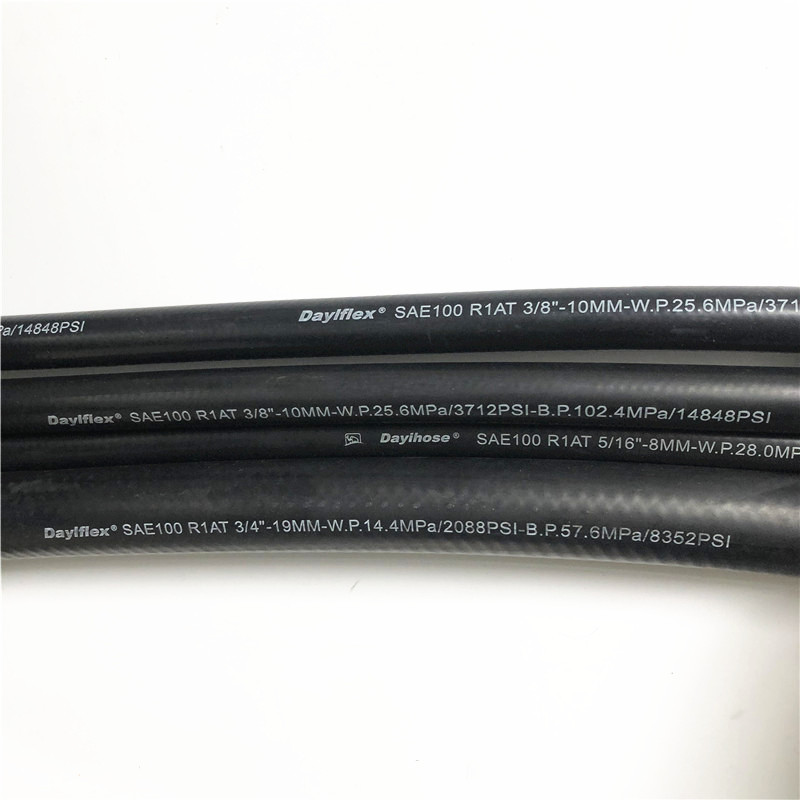
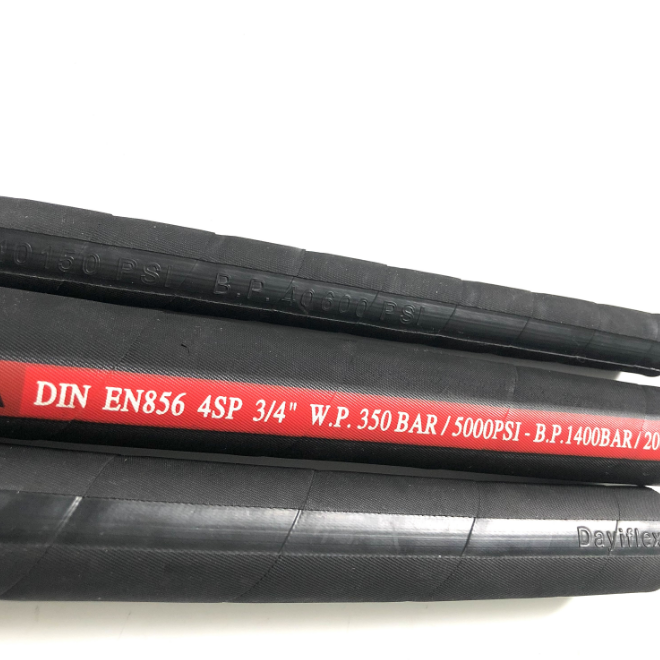
The construction of a 13mm hydraulic hose typically involves four key layers. The innermost layer, the tube, is commonly composed of synthetic rubber, specifically nitrile rubber (NBR) or ethylene propylene diene monomer (EPDM) rubber, selected for their resistance to hydraulic fluids and temperature variations. NBR exhibits excellent resistance to oil-based hydraulic fluids, while EPDM offers superior compatibility with phosphate ester fluids. The second layer is a reinforcement layer, traditionally comprised of multiple braids of high-strength steel wire. The number of braids dictates the hose's pressure capacity; more braids equate to higher burst pressure. Aramid fiber reinforcement is increasingly utilized for lighter-weight hoses with comparable strength characteristics. The third layer is a reinforcing layer, often made of synthetic fibers, that provide additional structural support and protect the steel wire from corrosion. Finally, the outer cover, usually a synthetic rubber like chloroprene (CR), provides abrasion, weathering, and chemical resistance.
Manufacturing involves several critical processes. The tube is extruded through a die to achieve the desired 13mm internal diameter and wall thickness. Precise temperature control during extrusion is vital to ensure consistent rubber properties. The reinforcement braids are then applied helically, requiring precise tension control to maintain uniform pressure resistance. The reinforcing layer is applied via winding or braiding. Finally, the outer cover is extruded over the assembled layers. Post-processing includes vulcanization (curing) to cross-link the rubber compounds, enhancing their elasticity and strength. Key parameters monitored during manufacturing include rubber compound viscosity, extrusion temperature, braid tension, and vulcanization time and temperature. Non-destructive testing, such as ultrasonic inspection, is used to detect flaws in the reinforcement layers. Skiving, a process of removing a portion of the cover and reinforcement layers at the hose ends, prepares the hose for fitting attachment.
Performance & Engineering
The performance of a 13mm hydraulic hose is primarily defined by its pressure rating, temperature range, and fluid compatibility. Pressure ratings are typically specified in PSI (pounds per square inch) or bar, with safety factors incorporated to account for pressure surges and dynamic loads. Burst pressure is significantly higher than working pressure. Temperature range defines the operational limits of the hose; exceeding these limits can lead to material degradation and failure. Fluid compatibility ensures that the hose material does not swell, shrink, or degrade when exposed to the hydraulic fluid.
Engineering considerations include hose bend radius, which impacts fatigue life. Exceeding the minimum bend radius induces stress concentration and premature failure. Hose twist is also a critical factor, as twisting can weaken the reinforcement layers. Proper hose routing and support are essential to prevent abrasion, kinking, and excessive stress. Force analysis considers the tensile strength of the reinforcement layers and the hoop stress exerted by internal pressure. Finite element analysis (FEA) is frequently employed to model hose behavior under various loading conditions. Compliance requirements, such as those mandated by SAE J517, dictate minimum performance standards for hydraulic hoses. Environmental resistance focuses on protecting the hose from ozone, UV radiation, and chemical exposure, particularly in outdoor applications.
Technical Specifications
| Parameter | Specification (Typical) | Test Method | Units |
|---|---|---|---|
| Internal Diameter | 13 ± 0.3 | ISO 1307 | mm |
| Working Pressure | 200 - 350 | SAE J517 | bar |
| Burst Pressure | 600 - 1050 | SAE J517 | bar |
| Temperature Range | -40 to +100 | SAE J517 | °C |
| Reinforcement | 2 or 4 Steel Wire Braid | Visual Inspection | - |
| Cover Material | Chloroprene (CR) | ASTM D2000 | - |
Failure Mode & Maintenance
Common failure modes for 13mm hydraulic hose include burst failure due to exceeding pressure limits, fatigue cracking caused by repeated bending and flexing, abrasion from external contact, and degradation of rubber compounds due to exposure to heat, chemicals, or ozone. Pinholes can develop in the tube due to corrosion or damage from internal contaminants. Delamination, the separation of layers, can occur due to inadequate bonding during manufacturing or exposure to harsh environments. Oxidation of the steel wire reinforcement leads to corrosion and reduced strength. Failure analysis typically involves visual inspection, microscopic examination of fracture surfaces, and chemical analysis of the rubber compounds.
Preventive maintenance is crucial for extending hose life. Regular visual inspections should be conducted to identify signs of wear, abrasion, or cracking. Hose connections should be checked for leaks and proper tightening. The hose should be protected from excessive bending, twisting, and kinking. Proper hose routing and support are essential. Hydraulic fluid should be kept clean and filtered to prevent internal abrasion. If a hose shows any signs of damage, it should be replaced immediately. Replacement should be performed by qualified personnel using appropriate tools and fittings. The use of protective sleeves and guards can mitigate external abrasion. Periodic pressure testing can verify hose integrity. Proper storage of spare hoses in a cool, dry, and dark environment prevents premature degradation.
Industry FAQ
Q: What is the impact of exceeding the minimum bend radius on hose lifespan?
A: Exceeding the minimum bend radius induces significant stress concentration within the hose structure, particularly at the inner radius. This localized stress accelerates fatigue failure, leading to premature cracking and eventual burst. The severity of the impact is directly proportional to the degree to which the minimum bend radius is violated.
Q: How does aramid reinforcement compare to steel wire reinforcement in terms of performance and cost?
A: Aramid reinforcement offers a higher strength-to-weight ratio than steel wire, resulting in lighter hoses. However, steel wire typically provides higher burst pressure for a given hose size. Aramid is more resistant to corrosion but can be more susceptible to damage from abrasion. Aramid hoses are generally more expensive than steel wire hoses.
Q: What are the key considerations when selecting a hose cover material for outdoor applications?
A: For outdoor applications, the cover material must exhibit excellent resistance to ozone, UV radiation, and weathering. Chloroprene (CR) is a common choice due to its good all-around performance. Polyurethane (PU) offers superior abrasion resistance but may be less resistant to ozone. The cover material should also be compatible with the hydraulic fluid being used.
Q: How does hydraulic fluid contamination impact hose failure rates?
A: Hydraulic fluid contamination, particularly with abrasive particles, dramatically increases hose failure rates. These particles act as an abrasive agent, wearing down the inner tube and reducing its wall thickness. This leads to pinhole leaks and eventual burst failure. Maintaining proper fluid cleanliness through filtration is essential.
Q: What are the implications of using incompatible hose fittings with a 13mm hydraulic hose?
A: Using incompatible fittings can lead to leaks, reduced pressure capacity, and premature hose failure. Fittings must be specifically designed for the hose type and size. Improperly crimped fittings can damage the hose reinforcement and create stress concentrations. Always use certified fittings and follow the manufacturer's crimping specifications.
Conclusion
13mm hydraulic hose represents a fundamental component in countless hydraulic systems, demanding careful consideration of material selection, manufacturing precision, and operational best practices. Understanding the interplay between pressure ratings, temperature limitations, fluid compatibility, and potential failure modes is paramount for ensuring reliable and safe operation. Proper maintenance, including regular inspection and replacement when necessary, extends hose lifespan and minimizes the risk of costly downtime.
Future advancements in hydraulic hose technology are likely to focus on developing lighter-weight materials, enhancing chemical resistance to increasingly aggressive fluids, and improving manufacturing processes to reduce costs and environmental impact. Continued adherence to industry standards and a proactive approach to maintenance will remain critical for maximizing the performance and longevity of 13mm hydraulic hose in diverse industrial applications.