
Apr . 01, 2024 17:55 Back to list
10mm hydraulic hose Performance Analysis
Introduction
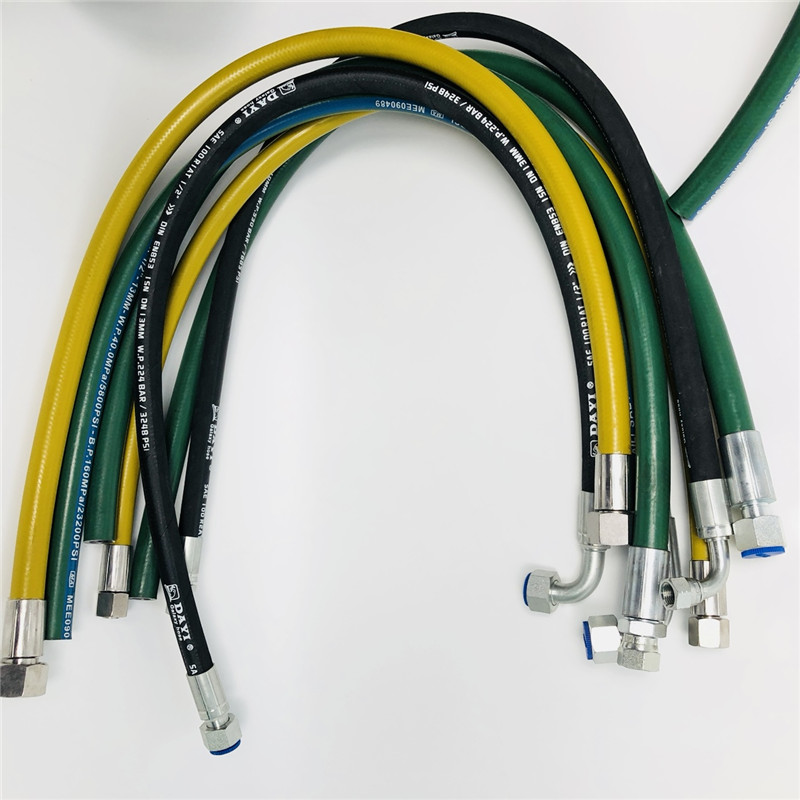
10mm hydraulic hose is a critical component in fluid power systems, utilized for the transmission of hydraulic fluid to actuate machinery across diverse industrial applications. Positioned within the broader fluid power industry chain, it serves as the conduit between the pump, valves, and actuators. Its primary function is to reliably convey pressurized fluid, enabling the operation of heavy equipment in sectors such as construction, agriculture, manufacturing, and material handling. Core performance characteristics include pressure rating, burst pressure, temperature range, and fluid compatibility. Unlike pneumatic hoses designed for air, hydraulic hoses are engineered to withstand significantly higher pressures and are constructed with materials resistant to the specific hydraulic fluids employed. The selection of appropriate 10mm hydraulic hose is paramount to system efficiency, safety, and longevity, as failures can result in substantial downtime and potential hazards.
Material Science & Manufacturing
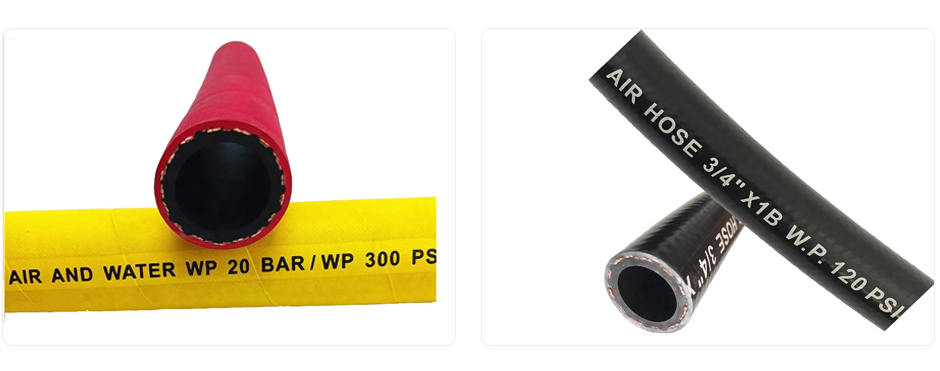
The construction of 10mm hydraulic hose involves several key materials and manufacturing processes. The inner tube, typically composed of synthetic rubber compounds like nitrile (NBR), chloroprene (CR), or ethylene propylene diene monomer (EPDM), provides fluid resistance and flexibility. Nitrile is commonly used for petroleum-based hydraulic fluids, while EPDM offers superior resistance to water and phosphate ester fluids. The reinforcement layer is crucial for pressure containment and typically consists of multiple layers of high-tensile steel wire, spirally wound or braided. The number and configuration of these wires directly influence the hose's burst pressure rating. Finally, the outer cover, generally made of synthetic rubber such as polyurethane or polyester, provides abrasion resistance, weather protection, and chemical compatibility.
Manufacturing processes begin with the extrusion of the inner tube to achieve the desired 10mm inner diameter and wall thickness. Precise control of extrusion temperature and screw speed is vital to ensure dimensional accuracy and uniform material properties. The reinforcement layer is then applied, employing automated winding or braiding machines. Consistent tension and layer alignment are essential for structural integrity. The outer cover is subsequently extruded over the reinforcement layer. Post-extrusion, the hose undergoes curing, a process of vulcanization using heat and pressure, to cross-link the rubber polymers and achieve the final mechanical properties. Quality control procedures, including burst testing, impulse testing, and dimensional checks, are performed throughout the process to ensure adherence to industry standards.
Performance & Engineering
Performance of 10mm hydraulic hose is dictated by several engineering considerations. Force analysis centers on withstanding internal pressure, which creates hoop stress in the hose wall. This stress is directly proportional to the pressure and the hose radius, inversely proportional to the wall thickness. Higher working pressures necessitate thicker walls and increased reinforcement. Fatigue analysis is critical, as hydraulic systems are subject to cyclic loading from pump pulsations and actuator movements. The hose must endure millions of pressure cycles without failure.
Environmental resistance is another key aspect. Exposure to extreme temperatures, UV radiation, ozone, and corrosive fluids can degrade the hose materials, leading to reduced performance and eventual failure. The choice of rubber compounds and outer cover materials must align with the anticipated operating environment. Compliance requirements, such as those set by SAE International (SAE J517, J518), dictate minimum performance standards for hydraulic hoses, including pressure rating, temperature range, and fluid compatibility. Furthermore, the hose must be engineered to minimize fluid leakage, which can pose environmental hazards and reduce system efficiency. Proper hose routing, bend radius control, and fitting selection are crucial for optimal performance and longevity.
Technical Specifications
| Parameter | Specification (Standard Grade) | Specification (High-Pressure Grade) | Specification (Heat Resistant Grade) |
|---|---|---|---|
| Inner Diameter | 10.0 ± 0.2 mm | 10.0 ± 0.2 mm | 10.0 ± 0.2 mm |
| Working Pressure (PSI) | 2000 PSI | 4000 PSI | 2000 PSI |
| Burst Pressure (PSI) | 8000 PSI | 16000 PSI | 8000 PSI |
| Temperature Range (°C) | -40 to +100 °C | -40 to +120 °C | -40 to +150 °C |
| Reinforcement | 2 Wire Braid | 4 Wire Braid | 2 Wire Braid (Heat Shield) |
| Outer Cover Material | Synthetic Rubber (NBR) | Synthetic Rubber (Polyurethane) | Synthetic Rubber (EPDM) |
Failure Mode & Maintenance
10mm hydraulic hose is susceptible to several failure modes. Fatigue cracking, initiated by repeated pressure cycles, typically occurs at the reinforcement layer due to stress concentration. Delamination, the separation of layers (inner tube, reinforcement, outer cover), can result from poor bonding during manufacturing or exposure to aggressive fluids. Abrasion, caused by external contact with moving parts or rough surfaces, compromises the outer cover’s protective function, leading to reinforcement corrosion. Pinholes, small punctures in the inner tube, can result from internal pressure exceeding the material’s limits or damage from foreign objects. Oxidation and degradation of rubber compounds due to exposure to heat, ozone, and UV radiation lead to loss of flexibility and eventual cracking.
Preventive maintenance is crucial. Regular visual inspections should be conducted to identify signs of abrasion, cracking, swelling, or leakage. Hose assemblies should be replaced at recommended intervals, even if no visible damage is present. Proper hose routing, bend radius control, and the use of appropriate fittings are essential. Avoid kinking or twisting the hose, as this can create stress concentrations and accelerate fatigue failure. When replacing hoses, ensure compatibility with the hydraulic fluid. Always depressurize the system before disconnecting hoses. Regular fluid analysis can identify contaminants or degradation products that may affect hose life. If a hose fails, a thorough investigation should be performed to determine the root cause and prevent recurrence.
Industry FAQ
Q: What is the impact of exceeding the specified bend radius on the lifespan of a 10mm hydraulic hose?
A: Exceeding the specified bend radius introduces significant stress concentration in the hose wall, particularly at the inner radius. This drastically accelerates fatigue failure, leading to premature cracking and eventual rupture. Tighter bends increase stress and reduce the hose's ability to withstand pressure cycling.
Q: How does the choice of hydraulic fluid affect the compatibility and longevity of the hose's inner tube?
A: Incompatible hydraulic fluids can cause the inner tube to swell, soften, or degrade, leading to leakage and reduced pressure rating. For example, using petroleum-based fluids with EPDM hoses will cause swelling and failure. Selecting a hose with an inner tube specifically designed for the intended fluid is critical.
Q: What are the key differences between two-wire braid and four-wire braid reinforcement in terms of pressure capacity and flexibility?
A: Four-wire braid reinforcement provides significantly higher burst pressure and working pressure capabilities compared to two-wire braid. However, it also reduces the hose's flexibility, making it more challenging to route in tight spaces. Two-wire braid offers better flexibility but lower pressure ratings.
Q: What are the implications of using improper fittings with a 10mm hydraulic hose?
A: Improper fittings can cause leakage, damage the hose end, and reduce the overall system's efficiency and safety. Incorrectly sized or incompatible fittings can create stress points and compromise the hose's integrity. Always use fittings specifically designed for hydraulic hoses and ensure proper crimping or swaging.
Q: How important is impulse testing and what does it simulate in real-world applications?
A: Impulse testing is critical for evaluating the hose's ability to withstand pressure pulsations, which are common in hydraulic systems due to pump operation and valve switching. It simulates the dynamic loading conditions experienced during operation, identifying potential weaknesses in the hose construction and predicting its service life.
Conclusion
10mm hydraulic hose represents a vital component in countless industrial applications, demanding careful consideration of material science, manufacturing processes, and performance characteristics. The selection process requires a thorough understanding of pressure requirements, fluid compatibility, temperature ranges, and environmental factors. Proper maintenance, including regular inspections and timely replacement, is essential to prevent failures and ensure the reliability of hydraulic systems.
Future advancements in hydraulic hose technology are likely to focus on developing lighter-weight materials, improving chemical resistance, and enhancing durability. The integration of smart sensors within the hose structure could provide real-time monitoring of pressure, temperature, and structural integrity, enabling predictive maintenance and minimizing downtime. Ultimately, a comprehensive approach to hydraulic hose selection, installation, and maintenance will contribute to improved system performance, increased safety, and reduced operating costs.