
Apr . 01, 2024 17:55 Back to list
10mm air hose Performance Analysis
Introduction
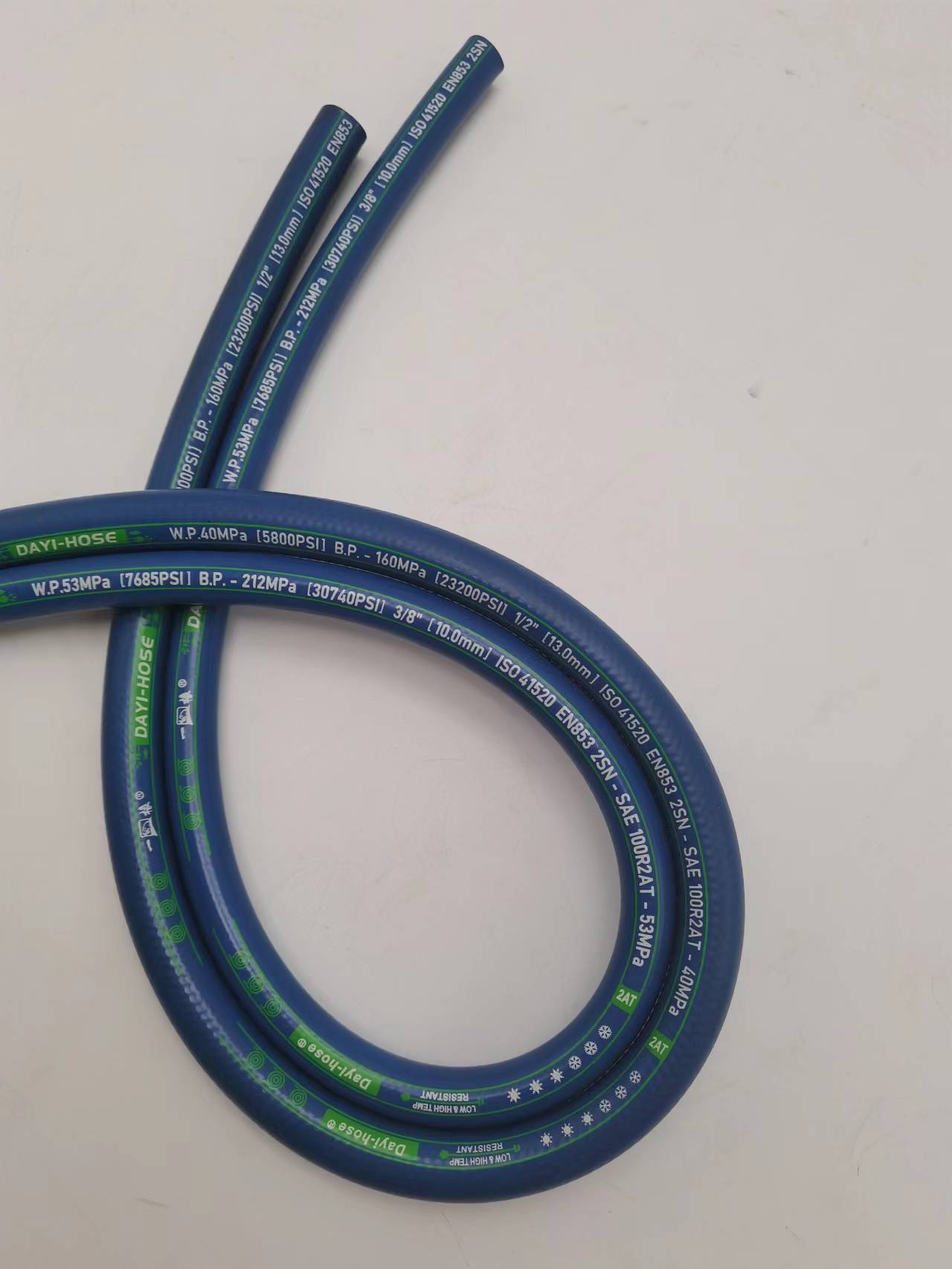
10mm air hose is a flexible conduit designed for the transmission of compressed air in industrial, automotive, and construction applications. Positioned within the pneumatic systems supply chain, it serves as a critical component connecting air compressors, tools, and various pneumatic devices. Its performance is defined by its burst pressure, working pressure, flexibility, and resistance to environmental factors. Commonly constructed from rubber, PVC, or hybrid materials, 10mm internal diameter (ID) hoses offer a balance between airflow capacity and maneuverability, making them a standard choice for a wide range of applications. A key industry pain point revolves around ensuring consistent hose performance under varying temperatures and pressures, minimizing leaks, and maximizing service life to reduce downtime and maintenance costs. Degradation due to oil contamination and physical abrasion are also major concerns. Selecting the appropriate hose construction and implementing preventative maintenance are vital for optimal system efficiency and safety.
Material Science & Manufacturing
The core material for 10mm air hose is typically one of three polymer families: Polyvinyl Chloride (PVC), Rubber (typically nitrile, SBR, or EPDM), or Thermoplastic Polyurethane (TPU). PVC offers cost-effectiveness and resistance to oils and chemicals but possesses limited flexibility, especially at low temperatures. Rubber compounds, particularly nitrile and EPDM, provide superior flexibility and temperature resistance, although nitrile has lower ozone resistance. TPU bridges the gap, offering excellent abrasion resistance, flexibility, and chemical compatibility. Reinforcement layers are crucial for withstanding internal pressure. These typically consist of a braided textile reinforcement (polyester or nylon are common) or a spiraled high-tensile strength fiber. The manufacturing process varies depending on the material. PVC hoses are often produced via extrusion, where molten PVC is forced through a die to create a continuous tube. Rubber hoses are commonly built up on a mandrel, layering rubber compound and reinforcement, followed by vulcanization – a chemical process that cross-links the rubber polymers, enhancing strength, elasticity, and temperature resistance. TPU hoses also utilize extrusion. Critical process parameters include material temperature, extrusion speed, braid tension, and vulcanization time/temperature. Precise control of these parameters is crucial to ensuring consistent wall thickness, reinforcement distribution, and mechanical properties. Oil resistance is achieved by formulating rubber compounds with appropriate plasticizers and additives. Flexibility is enhanced through plasticizer content in PVC and the selection of flexible polymer types like EPDM.

Performance & Engineering
The performance of 10mm air hose is primarily dictated by its ability to withstand internal pressure without failure. This is characterized by its burst pressure (the pressure at which the hose ruptures) and its working pressure (the maximum safe operating pressure). Burst pressure is typically 3-4 times the working pressure. Engineering calculations for safe working pressure involve consideration of the hose's internal diameter, wall thickness, reinforcement material, and safety factor. Environmental resistance is also critical. Exposure to UV radiation can degrade PVC and rubber, leading to cracking and loss of flexibility. Operating temperature ranges are a key specification. PVC hoses generally perform well between -10°C and +60°C, while rubber hoses can withstand wider ranges (-40°C to +100°C or higher, depending on the compound). Fatigue life, or the number of pressure cycles the hose can endure before failure, is a crucial metric, especially in applications involving frequent use. Compliance requirements, such as those mandated by OSHA for workplace safety, dictate minimum burst pressures and regular inspection protocols. Bend radius is another important engineering consideration; excessive bending can cause kinking, restricting airflow and potentially damaging the hose. The hose's chemical compatibility with the compressed air supply is essential; oil and water contamination can accelerate degradation and impact performance.
Technical Specifications
| Parameter | PVC Hose (Typical) | Nitrile Rubber Hose (Typical) | TPU Hose (Typical) | EPDM Rubber Hose (Typical) |
|---|---|---|---|---|
| Internal Diameter (ID) | 10mm | 10mm | 10mm | 10mm |
| Working Pressure | 20 bar (290 psi) | 30 bar (435 psi) | 25 bar (362 psi) | 25 bar (362 psi) |
| Burst Pressure | 60 bar (870 psi) | 90 bar (1305 psi) | 75 bar (1086 psi) | 75 bar (1086 psi) |
| Temperature Range | -10°C to +60°C (14°F to 140°F) | -30°C to +80°C (-22°F to 176°F) | -40°C to +90°C (-40°F to 194°F) | -40°C to +120°C (-40°F to 248°F) |
| Material | PVC with Polyester Braid | Nitrile Rubber with Textile Braid | TPU with Polyester Braid | EPDM Rubber with Spiral Textile Reinforcement |
| Oil Resistance | Moderate | Excellent | Good | Moderate |
Failure Mode & Maintenance
Common failure modes for 10mm air hose include burst failure due to exceeding the working pressure, fatigue cracking from repeated bending and pressure cycling, and degradation of the material due to environmental exposure (UV, ozone, temperature extremes). Kinking, often occurring with tighter bend radii, restricts airflow and can lead to localized stress concentrations, accelerating failure. Oil contamination can cause swelling and weakening of rubber compounds, reducing their elasticity and burst strength. Abrasion from contact with sharp objects or rough surfaces can wear through the hose wall, creating leaks. Preventative maintenance is crucial. Regular visual inspections should be conducted to identify cuts, abrasions, kinks, and signs of degradation. Hoses should be replaced immediately if any damage is detected. Maintaining a clean and dry compressed air supply minimizes internal corrosion and contamination. Avoid exposing hoses to direct sunlight or extreme temperatures for extended periods. Proper storage, coiled loosely and protected from the elements, extends service life. Periodically testing the hose’s pressure rating, even when in service, can help detect slow degradation before catastrophic failure. When repairing hoses (generally discouraged unless for minor issues like fitting replacement), utilize compatible fittings and adhesives to maintain integrity. Detailed failure analysis, including microscopic examination of fractured surfaces, can pinpoint the root cause of failure and inform future material selection and preventative measures.
Industry FAQ
Q: What is the impact of oil contamination on the lifespan of a nitrile rubber air hose?
A: Oil contamination significantly reduces the lifespan of nitrile rubber hoses. Oil causes swelling of the rubber compound, leading to a loss of elasticity and a decrease in tensile strength. This weakens the hose wall, making it more susceptible to cracking and burst failure, particularly under pressure cycling. Regular drainage of condensate from the air compressor and the use of oil-water separators are crucial preventative measures.
Q: How does temperature affect the performance of a PVC air hose?
A: PVC becomes brittle and less flexible at low temperatures, increasing the risk of cracking, especially during bending. Conversely, elevated temperatures can soften PVC, reducing its pressure-holding capacity. Maintaining PVC hoses within their recommended temperature range (-10°C to +60°C) is vital for optimal performance and longevity.
Q: What is the role of the reinforcement braid in an air hose?
A: The reinforcement braid (typically polyester or nylon) provides the hose with its ability to withstand internal pressure without bursting or collapsing. It counteracts the hoop stress generated by the pressurized air. The type of braid, its weave pattern, and its tension directly impact the hose's burst pressure and fatigue life.
Q: How should air hoses be stored when not in use?
A: Air hoses should be stored coiled loosely to avoid creating stress points and kinks. They should be protected from direct sunlight, extreme temperatures, ozone sources (like electric motors), and physical abrasion. Ideally, store them in a dry, well-ventilated area. Avoid storing them in contact with oils or solvents.
Q: What is the difference between working pressure and burst pressure, and why is it important?
A: Working pressure is the maximum safe operating pressure for the hose under normal conditions. Burst pressure is the pressure at which the hose will rupture. The burst pressure is always significantly higher than the working pressure (typically 3-4 times greater) to provide a safety margin. Operating a hose consistently near its burst pressure is extremely dangerous and will lead to premature failure.
Conclusion
10mm air hose, despite its seemingly simple construction, is a critical component requiring careful material selection and adherence to operational guidelines. The choice between PVC, nitrile rubber, TPU, or EPDM depends heavily on the specific application requirements, including temperature range, oil exposure, pressure demands, and budget constraints. Understanding the failure modes – ranging from fatigue cracking to material degradation – is paramount for implementing effective preventative maintenance strategies and ensuring workplace safety.
Future advancements in air hose technology are likely to focus on developing more durable and environmentally friendly materials, incorporating smart sensors for pressure and leak detection, and enhancing abrasion resistance through advanced surface coatings. Regular inspection protocols, coupled with a thorough understanding of the hose’s limitations and operational parameters, will continue to be essential for maximizing its lifespan and minimizing downtime in industrial and commercial settings.