
Apr . 01, 2024 17:55 Back to list
1 hydraulic hose Performance Analysis
Introduction
Hydraulic hoses are a critical component in fluid power systems, transmitting pressurized hydraulic fluid to actuators and other components. They are employed across a diverse range of industries, including construction, agriculture, manufacturing, and aerospace. This technical guide provides an in-depth analysis of hydraulic hose technology, encompassing material science, manufacturing processes, performance characteristics, failure modes, and relevant industry standards. The core performance of a hydraulic hose is defined by its ability to safely and reliably withstand high pressures, resist abrasion and environmental degradation, and maintain dimensional stability throughout its operational life. Selection criteria are heavily influenced by operating pressure, fluid compatibility, temperature range, and the specific application requirements. Common failures include burst, leakage due to pinholes or permeation, and hose collapse, impacting system efficiency and safety.
Material Science & Manufacturing
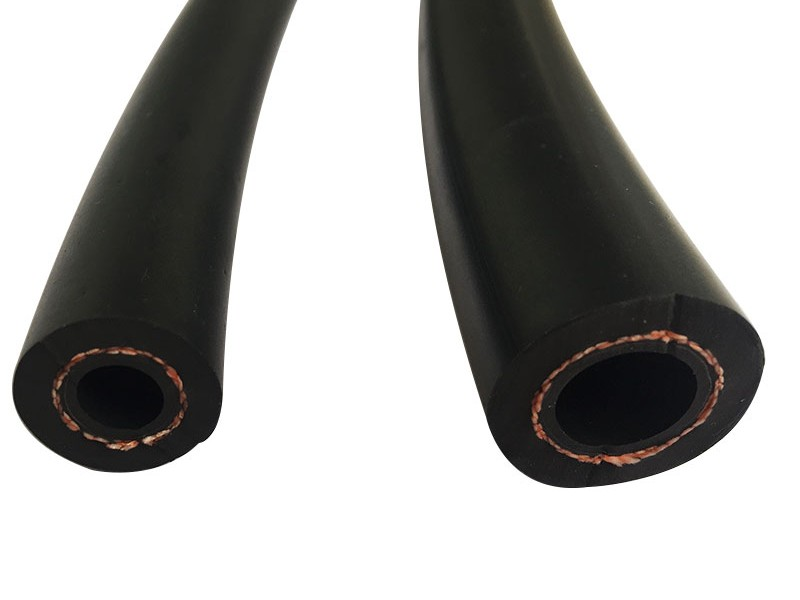
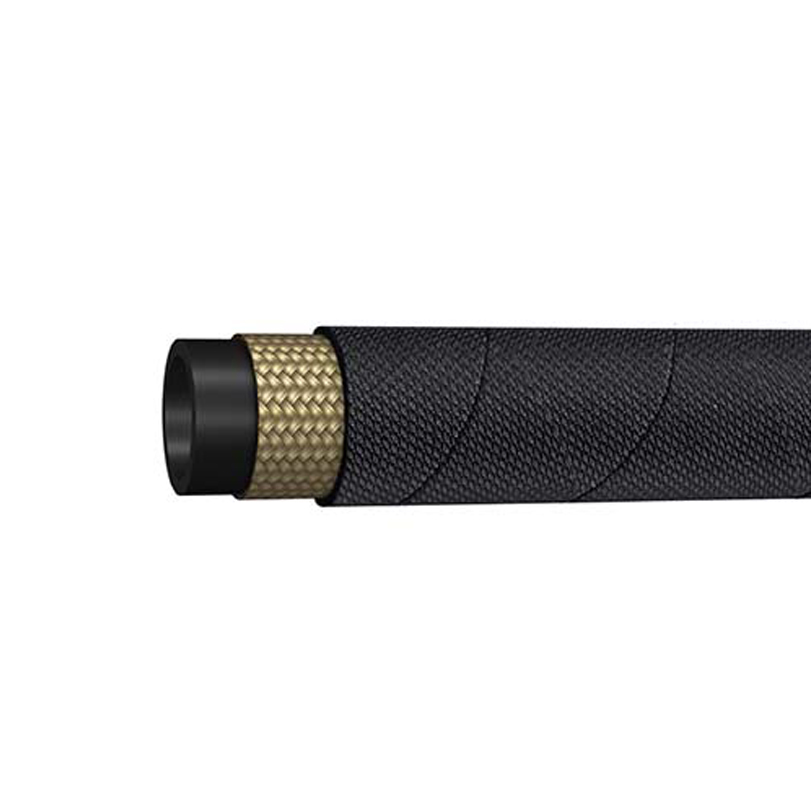
The construction of a hydraulic hose involves several key material layers, each contributing to specific performance characteristics. The inner tube, typically composed of synthetic rubber compounds like nitrile (NBR), ethylene propylene diene monomer (EPDM), or fluorocarbon (FKM/Viton), provides resistance to the hydraulic fluid being transported. NBR is common for petroleum-based fluids, EPDM excels with phosphate ester fluids, and FKM offers superior resistance to aggressive chemicals and high temperatures. The reinforcement layer is crucial for pressure containment. This commonly utilizes braided high-tensile steel wire, spiral-wound steel wire, or synthetic fiber reinforcement (aramid or polyester). Steel braid offers high strength and flexibility, while spiral wire provides higher pressure ratings. The outer cover, typically a synthetic rubber compound such as chloroprene (CR) or polyurethane (PU), protects the reinforcement layer from abrasion, weathering, and chemical exposure. Polyurethane offers exceptional abrasion resistance. Manufacturing typically involves extrusion of the inner tube and cover, followed by the application of the reinforcement layer. Braiding is done using specialized braiding machines, while spiral winding utilizes a continuous wire winding process. Critical parameters during manufacturing include precise control of rubber compound formulations, wire tension during reinforcement application, and dimensional accuracy of each layer to ensure consistent performance and prevent premature failure. Vulcanization (curing) is essential to achieve the desired mechanical properties of the rubber components.
Performance & Engineering
Hydraulic hose performance is governed by several engineering principles. Burst pressure, defined as the pressure at which the hose fails catastrophically, is a primary specification. Working pressure, significantly lower than burst pressure, is the maximum operating pressure recommended by the manufacturer, typically calculated as a fraction (e.g., 1/4) of the burst pressure with an appropriate safety factor. Hose bend radius is critical; exceeding the minimum bend radius can induce stress concentrations leading to premature failure. Fatigue resistance is assessed through cyclic pressure testing, simulating repeated loading and unloading. Environmental resistance is evaluated by exposing hoses to various fluids, temperatures, and UV radiation to assess degradation. Finite Element Analysis (FEA) is often employed to model stress distributions within the hose under various loading conditions, optimizing reinforcement design and material selection. Compliance requirements, such as those outlined by SAE J517 and EN 853, dictate minimum performance standards. Another critical factor is fluid compatibility. Incompatibility can lead to swelling, softening, or degradation of the inner tube, resulting in leakage or failure. Thermal expansion and contraction of the hose must also be considered, particularly in applications with significant temperature variations. Hose assembly integrity, including proper crimping of fittings, is paramount for preventing leakage and ensuring long-term reliability. Incorrect crimping can create stress risers and compromise the hose's pressure-holding capacity.
Technical Specifications
| Parameter | Unit | Typical Value (NBR Inner Tube, Steel Braid Reinforcement, CR Cover) | Typical Value (FKM Inner Tube, Spiral Steel Wire Reinforcement, PU Cover) |
|---|---|---|---|
| Working Pressure | MPa | 20 | 40 |
| Burst Pressure | MPa | 80 | 160 |
| Temperature Range | °C | -40 to +100 | -20 to +150 |
| Inner Diameter | mm | 19 | 25 |
| Outer Diameter | mm | 28 | 35 |
| Bend Radius (Minimum) | mm | 150 | 200 |
Failure Mode & Maintenance
Hydraulic hose failure can manifest in several ways. Burst failure, a catastrophic rupture, is often caused by exceeding the working pressure, fatigue cracking due to cyclic loading, or damage to the reinforcement layer. Leakage can occur due to pinholes in the inner tube (caused by abrasion or chemical attack), faulty fittings, or permeation through the hose material. Hose collapse occurs when the reinforcement layer is compromised, rendering the hose unable to withstand negative pressure or external forces. Abrasion damage to the outer cover can expose the reinforcement layer to corrosion, accelerating failure. Kinking, induced by excessive bending, can also lead to internal damage and leakage. Oxidation and degradation of the rubber compounds, particularly in exposed environments, can reduce the hose’s flexibility and strength. Maintenance procedures include regular visual inspection for abrasion, cracks, leaks, and kinks. Hose assemblies should be periodically pressure tested to verify their integrity. Fittings should be checked for tightness and corrosion. Proper storage is essential; hoses should be stored in a cool, dry place away from direct sunlight and ozone sources. Contamination of the hydraulic fluid can significantly reduce hose life, so maintaining fluid cleanliness is crucial. Replacement should be performed based on manufacturer recommendations or when any signs of damage or degradation are observed. Records of hose replacements and maintenance activities should be kept for traceability.
Industry FAQ
Q: What is the impact of fluid velocity on hydraulic hose life?
A: Higher fluid velocity increases the risk of erosion of the inner tube, particularly with abrasive fluids or particulate contamination. It also leads to increased heat generation, potentially accelerating the degradation of rubber compounds. Selecting a hose with an appropriate inner diameter to maintain fluid velocity within recommended limits is crucial.
Q: How do different reinforcement materials affect hose flexibility and pressure rating?
A: Steel braid reinforcement provides high strength and good flexibility but generally offers lower pressure ratings compared to spiral-wound steel wire. Spiral wire reinforcement excels in high-pressure applications but is less flexible. Synthetic fiber reinforcement (aramid) offers a good balance of strength and flexibility but typically has lower temperature resistance.
Q: What are the key considerations when selecting a hose for high-temperature applications?
A: The inner tube material must be compatible with the hydraulic fluid at the operating temperature. FKM (Viton) is often the preferred choice for high-temperature applications due to its superior heat resistance. The outer cover should also be resistant to heat and UV degradation. The working pressure should be derated at higher temperatures, according to the manufacturer’s specifications.
Q: What role does proper hose crimping play in ensuring hose assembly reliability?
A: Proper crimping creates a secure and leak-proof connection between the hose and the fitting. Incorrect crimping can lead to stress concentrations, premature failure, or leakage. Crimping equipment must be properly calibrated, and the correct die size must be used for the hose and fitting combination. Visual inspection of the crimp is essential to verify proper formation.
Q: How does exposure to ozone affect hydraulic hose life?
A: Ozone attacks unsaturated bonds in rubber compounds, leading to cracking and degradation of the outer cover. This is particularly prevalent in environments with electrical discharge or high ozone concentrations. Using a hose with an ozone-resistant outer cover material (e.g., CR) and storing hoses in a protected environment can mitigate this issue.
Conclusion
Hydraulic hoses are complex engineered components vital to the operation of countless systems. Understanding the interplay between material science, manufacturing processes, and engineering principles is essential for selecting the right hose for a specific application and ensuring long-term reliability and safety. Proper maintenance and adherence to industry standards are crucial for maximizing hose life and preventing catastrophic failures.
Future advancements in hydraulic hose technology will likely focus on the development of new materials with enhanced chemical resistance, temperature stability, and abrasion resistance. Smart hoses, incorporating sensors to monitor pressure, temperature, and fluid condition, may also become increasingly prevalent, enabling predictive maintenance and improved system performance. Continued refinement of manufacturing processes and quality control procedures will be essential for maintaining the high levels of performance and safety demanded by modern hydraulic systems.