
Apr . 01, 2024 17:55 Back to list
1/4 in hydraulic hose Performance Analysis
Introduction
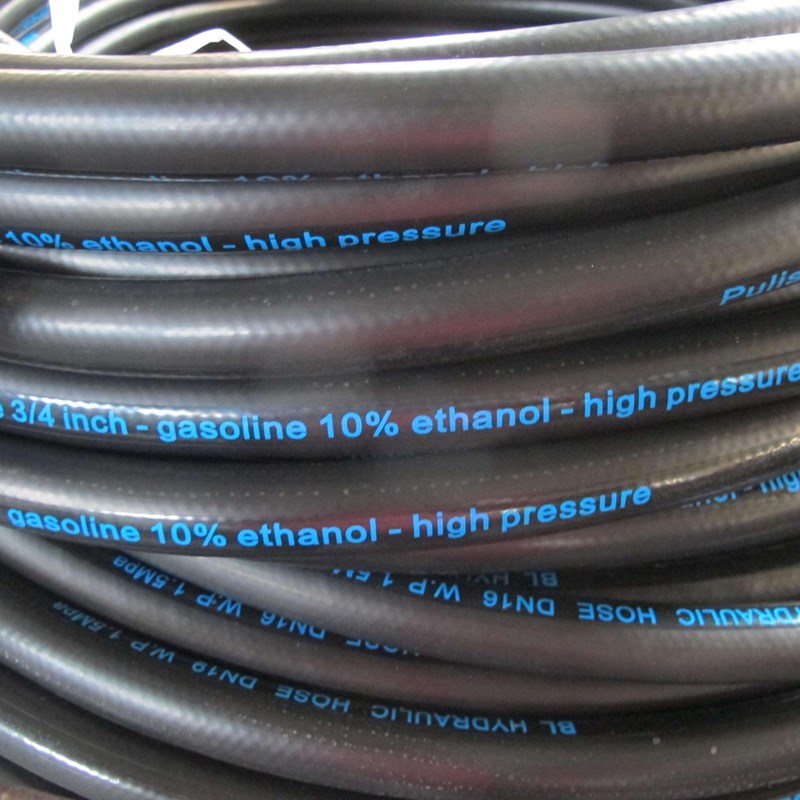
1/4 inch hydraulic hose is a critical component in hydraulic systems, facilitating the transmission of pressurized fluid to operate machinery and equipment across a diverse range of industries including construction, agriculture, manufacturing, and automotive. Positioned within the fluid power chain, its primary function is to convey hydraulic oil, water-glycol fluids, and other compatible media from the pump to actuators, providing the force necessary for operational performance. The core performance characteristics – pressure rating, burst strength, temperature range, and fluid compatibility – dictate its suitability for specific applications. A common configuration utilizes a synthetic rubber inner tube, reinforced with multiple layers of high-tensile steel wire braid, and protected by a durable, abrasion-resistant outer cover. Selecting the correct hose is paramount, as failure can result in costly downtime, safety hazards, and potential environmental damage. This guide provides a comprehensive technical overview of 1/4 inch hydraulic hose, encompassing material science, manufacturing processes, performance parameters, failure modes, and relevant industry standards.
Material Science & Manufacturing
The construction of a 1/4 inch hydraulic hose involves several critical material choices. The inner tube is typically composed of nitrile rubber (NBR) for oil-based hydraulic fluids due to its excellent oil resistance and flexibility. Ethylene propylene diene monomer (EPDM) rubber is preferred for water-glycol and phosphate ester fluids, offering superior resistance to these media. The reinforcement layer, essential for withstanding high pressures, is commonly constructed from high-tensile steel wire, precisely wound in a spiral or braided configuration. The number of layers and wire diameter directly correlate with the hose’s pressure rating. The outer cover utilizes a blend of synthetic rubbers, such as chlorinated polyethylene (CPE) or polyurethane, to provide abrasion resistance, weathering protection, and resistance to ozone and UV degradation.
Manufacturing typically begins with extrusion of the inner tube, ensuring precise dimensional control and consistent wall thickness. The reinforcement layers are then applied through a winding or braiding process. Precise tension control during reinforcement application is crucial; excessive tension can reduce flexibility, while insufficient tension compromises burst strength. Following reinforcement, the outer cover is extruded over the assembly. Curing, a vital step, involves vulcanization of the rubber compounds at elevated temperatures to achieve optimal physical properties. Key parameters monitored during curing include temperature, pressure, and time. Post-curing, hoses undergo rigorous testing, including pressure testing to verify burst strength, impulse testing to assess fatigue resistance, and dimensional checks to ensure conformity to specifications. Quality control procedures, including visual inspection for defects and destructive testing of sample hoses, are implemented throughout the process. Proper handling of the steel wire to prevent corrosion and maintain its tensile strength is also critical.
Performance & Engineering
The performance of a 1/4 inch hydraulic hose is governed by several key engineering principles. Pressure rating, expressed in PSI or bar, is determined by the reinforcement layer’s strength and the inner tube’s ability to contain the fluid. Burst pressure, typically four times the working pressure, represents the maximum pressure the hose can withstand before failure. Impulse pressure, or pressure pulsations, creates cyclical stress on the hose, leading to fatigue failure over time. Impulse testing, conforming to standards like SAE J343, evaluates the hose’s resistance to these pressure fluctuations. Temperature range is a critical consideration, as both high and low temperatures can degrade the rubber compounds, reducing flexibility and increasing the risk of failure. The hose must maintain its integrity and flexibility across its specified temperature range.
Bend radius is another important factor; exceeding the minimum bend radius introduces stress concentrations, potentially leading to cracking. Fluid compatibility ensures that the hose material does not react with the hydraulic fluid, causing swelling, degradation, or contamination. Electrostatic discharge (ESD) can build up in hydraulic systems, potentially igniting flammable fluids. Some hoses incorporate conductive liners to dissipate static electricity. Force analysis during hose routing and connection is vital; excessive bending or twisting can strain the hose and fittings. Compliance with industry regulations, such as those stipulated by the Hydraulic Fluid Power Society (HFPS), is essential to ensure safety and reliability. Finite Element Analysis (FEA) is often used during the design phase to optimize hose construction and predict performance under various loading conditions.
Technical Specifications
| Parameter | Specification | Test Standard | Typical Application |
|---|---|---|---|
| Inner Tube Material | Nitrile Rubber (NBR) | ASTM D2000 | General Hydraulic Systems |
| Reinforcement | Single Steel Wire Braid | SAE J517 | Low to Medium Pressure |
| Outer Cover | Chlorinated Polyethylene (CPE) | ASTM D2000 | Outdoor Applications |
| Working Pressure | 1500 PSI | SAE J517 | Hydraulic Power Units |
| Burst Pressure | 6000 PSI | SAE J517 | Safety Margin Verification |
| Temperature Range | -40°C to +100°C (-40°F to +212°F) | SAE J343 | Wide Range of Climates |
Failure Mode & Maintenance
1/4 inch hydraulic hoses are susceptible to several failure modes. Fatigue cracking, caused by repeated pressure pulsations and flexing, is a common issue. This typically initiates at the inner tube or reinforcement layer and propagates through the hose wall. Abrasion, resulting from contact with abrasive surfaces, degrades the outer cover, exposing the reinforcement to corrosion. Kinking, occurring when the hose is bent beyond its minimum bend radius, creates localized stress concentrations and can lead to cracking. Chemical degradation, caused by incompatible fluids, swells or degrades the rubber compounds. Oxidation, particularly in the outer cover, results in hardening and cracking due to exposure to oxygen and ozone. Fitting failure, caused by corrosion or improper installation, can lead to leakage and hose rupture.
Preventative maintenance is crucial for extending hose life. Regular visual inspections should be conducted to identify signs of wear, abrasion, cracking, or leakage. Hoses should be replaced if any damage is observed. Proper routing and support are essential to prevent kinking and abrasion. Use of hose guards or sleeves can protect the hose from external damage. Ensure compatibility between the hose and the hydraulic fluid. Regularly check fitting tightness and replace any corroded or damaged fittings. Implement a preventative maintenance schedule based on operating conditions and hose usage. When storing hoses, keep them in a cool, dry place away from direct sunlight and ozone sources. Proper handling during installation and removal is also critical to avoid damage to the hose ends.
Industry FAQ
Q: What is the impact of using a hose with a working pressure lower than the system’s operating pressure?
A: Using a hose with an insufficient working pressure is extremely dangerous and will lead to premature failure, potentially catastrophic rupture, and significant safety risks. The hose is operating outside its designed parameters, reducing its lifespan and increasing the probability of sudden, uncontrolled release of pressurized fluid. Always select a hose with a working pressure rating exceeding the maximum system pressure by a suitable safety factor.
Q: How does temperature affect the performance and longevity of a 1/4 inch hydraulic hose?
A: Extreme temperatures, both high and low, degrade the rubber compounds comprising the hose. High temperatures accelerate oxidation and reduce the flexibility of the rubber, increasing the risk of cracking. Low temperatures can cause the rubber to become brittle and less resistant to impact. Exceeding the specified temperature range significantly reduces the hose’s lifespan and compromises its integrity.
Q: What are the key differences between braided and spiral-wound reinforcement in hydraulic hoses?
A: Braided reinforcement offers flexibility and is suitable for lower to medium pressure applications. Spiral-wound reinforcement provides higher pressure ratings and enhanced kink resistance. The choice depends on the specific application requirements and the level of pressure and flexibility needed. Spiral-wound hoses are generally more robust and resistant to bending but can be less flexible than braided hoses.
Q: What is the role of the outer cover in protecting the hydraulic hose?
A: The outer cover provides crucial protection against abrasion, weathering (UV and ozone exposure), and chemical attack. It shields the reinforcement layers from corrosion and physical damage. The cover material selected impacts the hose’s suitability for various environmental conditions and applications. A durable cover extends the hose's service life and maintains its structural integrity.
Q: How important is proper hose fitting installation and maintenance?
A: Proper fitting installation is paramount for preventing leaks and ensuring the hose’s overall reliability. Incorrectly installed fittings can damage the hose end, create stress concentrations, and lead to premature failure. Regular inspection and tightening of fittings are essential, as vibration and thermal cycling can loosen them over time. Using the correct fitting type and torque specifications is also crucial.
Conclusion
The 1/4 inch hydraulic hose is a vital, yet often underestimated, component within complex hydraulic systems. Its performance relies on a careful balance of material selection, precision manufacturing, and adherence to rigorous industry standards. Understanding the interplay between pressure ratings, temperature limitations, fluid compatibility, and potential failure modes is crucial for ensuring safe, reliable, and efficient operation. Selecting the appropriate hose for a specific application, coupled with a proactive maintenance program, minimizes downtime and maximizes service life.
Looking ahead, advancements in materials science are focused on developing more durable and chemically resistant rubber compounds, as well as exploring alternative reinforcement materials. Improved manufacturing techniques, such as automated braiding and extrusion processes, are enhancing consistency and reducing production costs. The integration of smart sensors within hoses to monitor pressure, temperature, and potential leaks is an emerging trend that promises to further optimize performance and predict failure before it occurs. Continued adherence to international standards and best practices remains essential for maintaining the integrity of hydraulic systems and ensuring operator safety.