
Apr . 01, 2024 17:55 Back to list
1/4 hydraulic hose Performance Analysis
Introduction
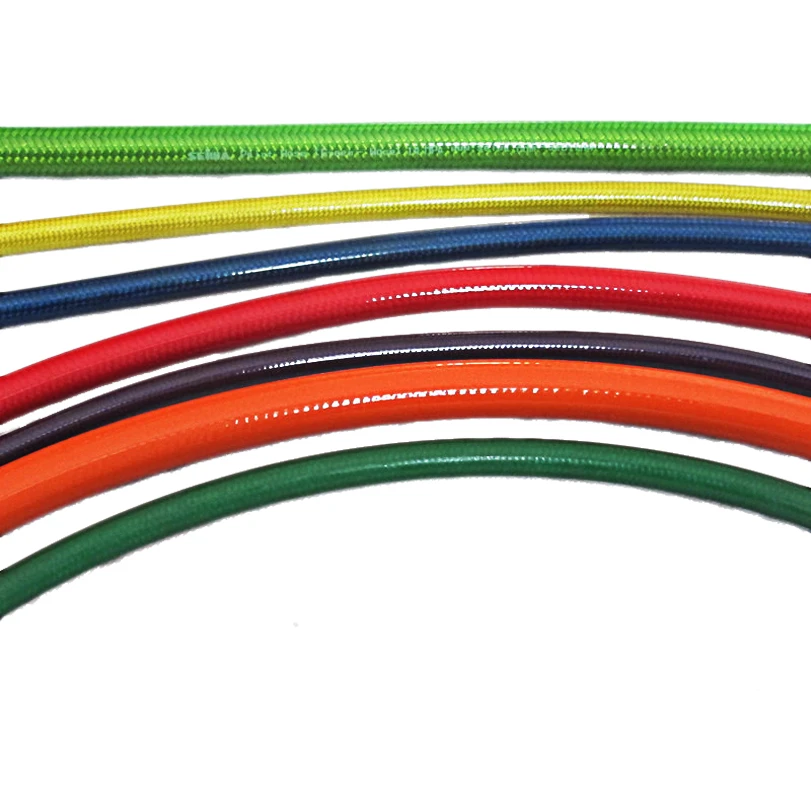
The 1/4 inch hydraulic hose is a critical component in fluid power systems, responsible for the transmission of hydraulic fluid to operate machinery across a wide range of industries, including construction, agriculture, manufacturing, and automotive. Positioned within the broader hydraulic system, it connects pumps, valves, cylinders, and other actuators, enabling the transfer of force and motion. Core performance characteristics include pressure rating, temperature resistance, fluid compatibility, and burst strength. The industry faces challenges surrounding hose longevity, leak prevention, and ensuring compatibility with increasingly complex hydraulic fluids, particularly those with bio-based additives. Selecting the appropriate 1/4 inch hydraulic hose requires a detailed understanding of the operational demands and potential failure modes.
Material Science & Manufacturing
1/4 inch hydraulic hoses are typically constructed from an inner tube, reinforcement layers, and an outer cover. The inner tube is commonly made of nitrile rubber (NBR), also known as Buna-N, due to its excellent resistance to petroleum-based hydraulic fluids. Alternative materials include chlorinated polyethylene (CPE) for improved ozone and weather resistance, and fluoropolymers (FKM/Viton) for applications requiring compatibility with aggressive fluids and high temperatures. Reinforcement layers are crucial for withstanding internal pressure and preventing hose collapse. These layers traditionally consist of multiple braids of high-tensile steel wire, offering varying degrees of pressure capacity. Spiral-wound reinforcement using steel wire or textile cords provides enhanced flexibility and kink resistance. The outer cover is usually composed of synthetic rubber, such as chloroprene (CR), offering abrasion, ozone, and weather protection.
Manufacturing involves several key processes. The inner tube is extruded through a die to achieve the desired diameter and wall thickness. Reinforcement layers are then applied using a braiding or winding machine, carefully controlling the pitch and tension of the wires or cords. The outer cover is extruded over the reinforcement, and the hose is subsequently vulcanized (cured) to crosslink the rubber polymers, enhancing its mechanical properties and chemical resistance. Critical parameters during manufacturing include temperature control during extrusion and vulcanization, wire tension monitoring during reinforcement application, and dimensional accuracy checks throughout the process. Post-production testing includes hydrostatic pressure testing, impulse testing, and bend testing to verify performance and quality. Incorrect vulcanization times can lead to insufficient crosslinking and reduced hose life, while improper reinforcement winding can create weak points susceptible to failure.
Performance & Engineering
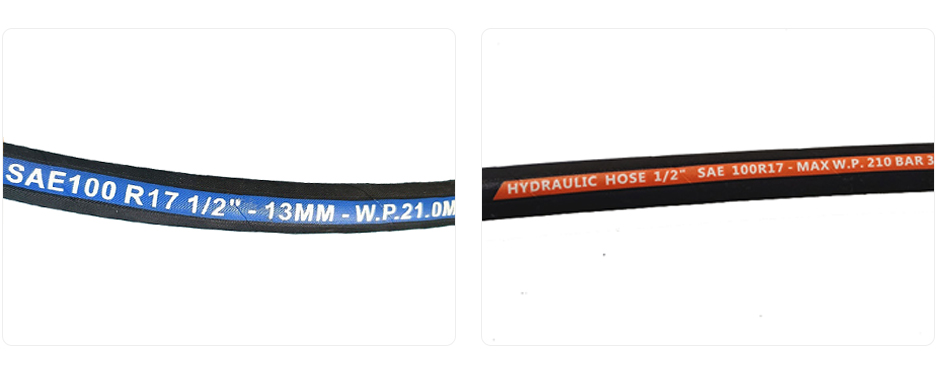
The performance of a 1/4 inch hydraulic hose is dictated by several engineering principles. Burst pressure, representing the maximum pressure the hose can withstand before rupture, is a primary design consideration. This is directly related to the material properties of the tube and reinforcement and the hose’s construction. Working pressure, typically a fraction of the burst pressure (often 4:1 safety factor), defines the safe operating limit. Hose flexibility is crucial for ease of installation and routing, especially in confined spaces. This is influenced by the reinforcement type and the hose’s diameter-to-length ratio. Impulse pressure, or pressure pulsations generated by the hydraulic pump, can induce fatigue failure over time. Hose designs incorporating spiral reinforcement are generally more resistant to impulse pressures. Temperature extremes significantly affect hose performance; high temperatures can degrade rubber compounds, reducing their strength and flexibility, while low temperatures can increase stiffness and brittleness. Fluid compatibility is paramount; incompatible fluids can cause swelling, softening, or cracking of the inner tube. Environmental resistance, including exposure to ozone, UV radiation, and corrosive chemicals, must also be considered. Compliance with industry standards like SAE J517 and EN 853 dictates minimum performance requirements for hydraulic hoses.
Technical Specifications
| Parameter | Typical Value (NBR Inner Tube, Steel Wire Braid) | Typical Value (CPE Inner Tube, Spiral Steel Wire Reinforcement) | Unit |
|---|---|---|---|
| Inner Diameter | 0.25 | 0.25 | inch |
| Outer Diameter | 0.45 | 0.55 | inch |
| Working Pressure | 2250 | 3000 | PSI |
| Burst Pressure | 6750 | 9000 | PSI |
| Temperature Range | -40 to 212 | -40 to 250 | °F |
| Reinforcement Type | Single Steel Wire Braid | Spiral Steel Wire | - |
Failure Mode & Maintenance
Common failure modes for 1/4 inch hydraulic hoses include burst failure due to exceeding pressure limits, fatigue cracking from repeated impulse pressures, abrasion damage from rubbing against other components, and fluid incompatibility leading to tube degradation. Pinholes can develop due to corrosion or damage from foreign particles within the fluid. Kinking, especially in tight bends, can restrict flow and ultimately cause hose failure. End fitting failure, often due to improper crimping or corrosion, is also a frequent issue. Failure analysis should focus on identifying the root cause—was it overpressure, material defect, improper installation, or inadequate maintenance? Preventative maintenance is critical. Regular visual inspections should check for abrasion, cracks, kinks, and leaks. Hose assemblies should be replaced based on a predetermined schedule or after significant damage is detected. Proper routing and support prevent abrasion and kinking. Fluid filtration is essential to remove contaminants that can accelerate wear. Using correctly crimped and compatible end fittings ensures a secure connection. Storing hoses in a cool, dry place, away from direct sunlight, minimizes degradation.
Industry FAQ
Q: What is the impact of hydraulic fluid type on hose selection?
A: Hydraulic fluid compatibility is paramount. Petroleum-based fluids are generally compatible with NBR, but synthetic fluids, like phosphate esters, require specialized materials like FKM (Viton) or PTFE. Using an incompatible fluid can cause the inner tube to swell, soften, or crack, leading to premature failure. Always consult fluid compatibility charts provided by hose manufacturers.
Q: How does temperature affect the working life of a hydraulic hose?
A: Elevated temperatures accelerate rubber degradation, reducing the hose's strength and flexibility. Operating beyond the specified temperature range can significantly shorten its lifespan. Conversely, extremely low temperatures can make the hose brittle and more susceptible to cracking. Selecting a hose rated for the expected operating temperature is crucial.
Q: What is the significance of the hose’s “lay flat” diameter?
A: The lay flat diameter is the diameter of the hose when it’s unpressurized. A smaller lay flat diameter can restrict flow, particularly in applications with tight bends. It’s essential to consider the lay flat diameter when designing hydraulic systems.
Q: What are the best practices for installing hydraulic hose assemblies?
A: Proper installation is crucial. Avoid sharp bends, kinking, and abrasion. Ensure end fittings are correctly crimped and compatible with the hose and system. Use appropriate hose support and routing techniques to prevent excessive stress. Torque fittings to the manufacturer’s specified values.
Q: What are the common causes of hose leaks at the fittings?
A: Common causes include improper crimping, corrosion of the fitting material, damage to the fitting during installation, and using incompatible fittings. Regularly inspect fittings for signs of corrosion or damage and replace them as needed. Ensure proper crimping techniques are employed and the correct dies are used for the hose and fitting combination.
Conclusion
The 1/4 inch hydraulic hose, while seemingly a simple component, plays a vital role in the reliable operation of countless hydraulic systems. Its performance is intricately linked to material science, manufacturing precision, and adherence to industry standards. Understanding the potential failure modes—from burst failures due to pressure surges to gradual degradation from fluid incompatibility—is essential for selecting the appropriate hose and implementing a preventative maintenance program.
Looking ahead, advancements in hose technology are focused on developing lighter-weight materials, increasing pressure ratings, and improving resistance to aggressive fluids. The increasing adoption of bio-based hydraulic fluids necessitates hoses with enhanced compatibility and longevity. Continued emphasis on proper installation, regular inspection, and proactive maintenance will remain critical to maximizing hose lifespan and ensuring the safety and efficiency of hydraulic systems.